| OCR Text |
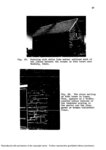
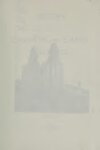
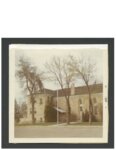
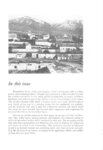
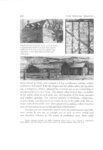
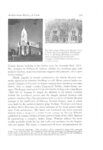
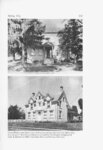
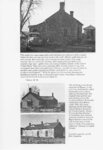
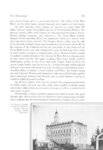
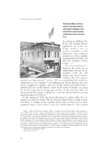
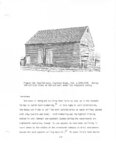
Show Second Coming. Upon these shared~ group-oriented experiences, individual Mormons fashioned their relationships with their fellow Saints and the larger world. It was such acts that changed converts into Saints, for as Shipps points out, "traveling to Zion and living in that land in the pioneer days were transformative experiences. They served as passageways ushering individuals into Sainthood and as experiential corridors in which the Saints were corporately transmuted from their miscellaneousness and variableness into an ethnic body whose shared heritage was a wilderness journey and lives lived out in Zion." 12 It is not surprising that in the Sanpete Valley the most obvious signs of the literal Zion are the overtly corporate features of the landscape. The temple on the hill above Manti, the nucleated towns, the · centrally-placed ward meeting houses--such features project the image of Zion outward toward the Gentile world. These are the comfortable, predicatable symbols of the collective spirit that shaped the valley 1 s natural beauty to its needs. The overt orthodoxy of the Mormon landscape hides another, less discernible, but equally important display of kingdom building in the valley, namely, the houses. The expected uniformity of domestic architecture is noticeably absent, replaced by a tenacious individuality of design. Yet the houses, in their diversity, become more than monuments to personal achievement; they reflect aJ ,._,, social world that was secure in the contemplation of its vision. With the boundaries of Zion clearly defined and maintained by the church itself, individual displays of group affiliation were unnecessary. In his provocative studJ of folk housing in Piedmont Virginia, Henry Glassie described an architecture in transition. 298 Eighteenth century |