| OCR Text |
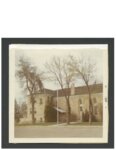
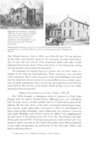
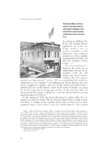
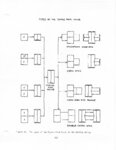
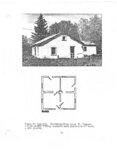
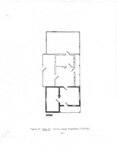
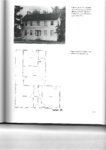
Show generality. As the Sanpete communities grew in the years between 1850 and 1870, the demand for housing became a fundamental aspect of social life in the valley. In meeting their housing needs, the Sanpete Saints, like their counterparts in other sections of the Mormon region, were left to their own devices. Confronting the building task, they turned naturally to the building traditions carried into the valley. It should be emphasized that tradition provided the settlers, not with houses, but with the knowledge to design and build houses. How this knowledge was applied--what houses were actually built--is central to the purpose of this study. Did immigrant patterns persist? Did new forms arise? Did a particular "Mormon" style of architecture emerge? These questions have been asked repeatedly but never adequately answered. An architectural reco.rd, however, exists and any explanation of LDS building activity during the nineteenth century must begin, not in speculations about the culture, but with the houses themselves. My intention in this chapter and the two that follow is to describe the folk housing of the Sanpete Valley in an effort to discover what people here did when they built houses. The range of their actions bears directly on the larger issue of understanding cultural process in the early Mormon town. House Form: The Structure of Design Moving out to their newly platted city lots, the people of the Sanpete Valley contemplated building, as their leader had suggested, 11 good houses." If the enterprise appears vague and il 1-defi ned, it was 86 |