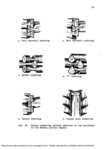
| OCR Text |
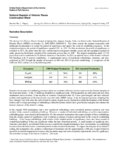
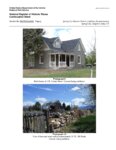
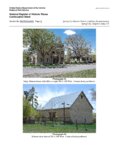
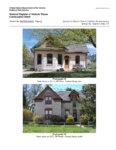
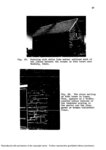
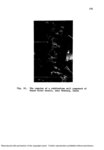
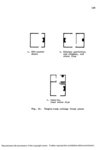
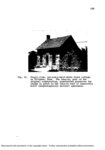
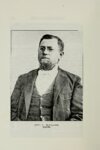
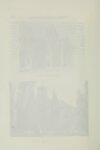
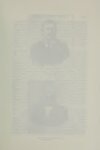
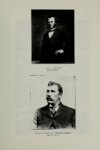
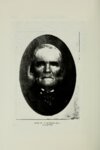
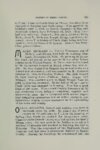
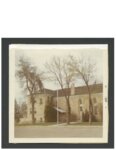
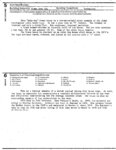
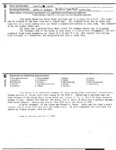
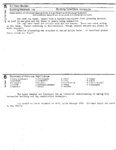
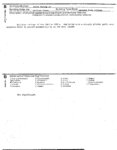
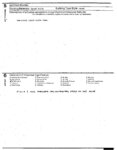
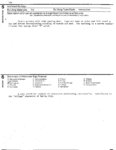
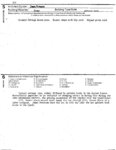
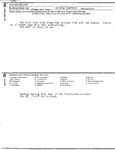
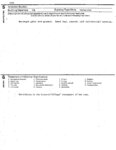
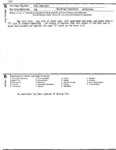
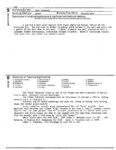
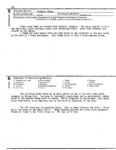
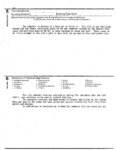
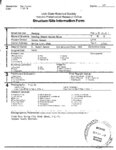
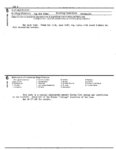
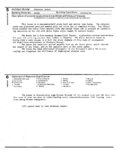
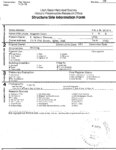
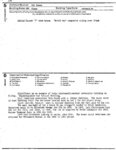
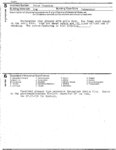
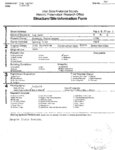
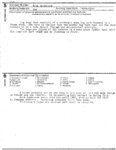
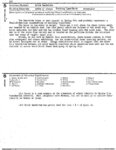
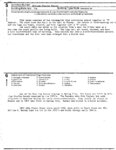
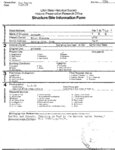
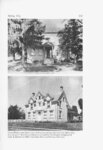
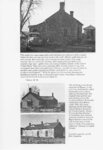
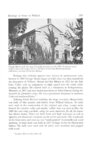
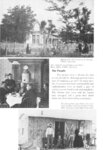
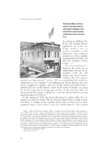
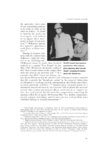
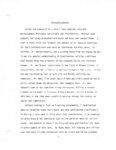
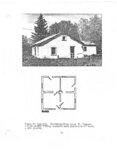
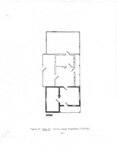
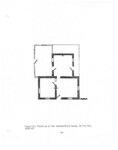
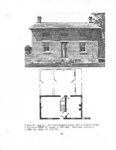
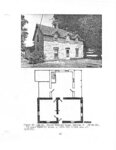
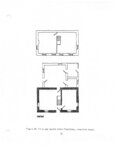
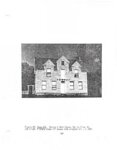
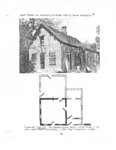
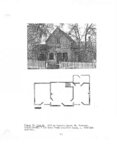
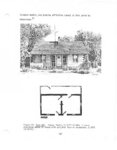
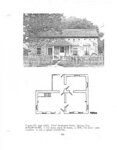
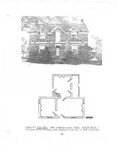
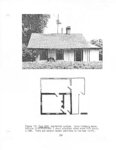
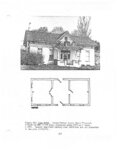
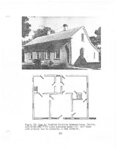
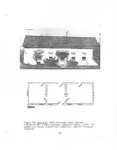
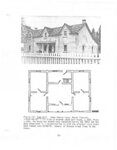
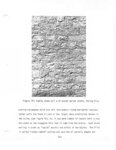
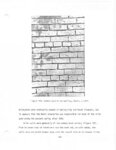
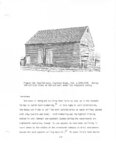
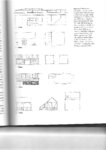
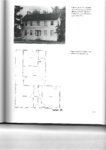
Show Architect/Builder: John s<shofield Building Materials: adobe, plastered Building Type/Style: vernacular____ Description of physical appearance & significant architectural features: (Include additions, alterations, ancillary structures, and landscaping if applicable) Hall and parlor one-and^a-half story adobe house. Three opening facade with gable chimney flues. A rear "T" on the east, A large gables front porch exists on the west. The base of the porch is adobe but the wooden battered porch posts and gable suggest a later building date. The house originally was plastered. The stucco was colored red about one-third the way up the wall and then marked off to simulate masonry construction. In 1978 the entire structure was re-plastered. g Statement of Historical Significance: -*j O c/5 X D Aboriginal Americans D Agriculture (^Architecture D The Arts D Commerce D D D D D Communication Conservation Education, Exploration/Settlement Industry D D D D D Military Mining Minority Groups Political Recreation D D Q D Religion Science Socio-Humanitarian Transportation The Schofield house is a representative folk house type from the early settle ment period and draws its historical significance from its ability to help construct a total picture of early Sanpete architecture. John Schofield was leader of the first organized choir in Spring City in 1862. His wife Josephine was the organist. Schofield had two wives, Mary Broadbent and Josephine Peterson. The second wife lived in a log cabin through the block, (block 21,lot 4.5). Schofield was born in England in 1830 and worked in a cotton mill as a "spinner. He joined the LDS Church in 1841 and in 1859 emigrated to Utah with his wife, Mary. He came to Spring City in 1861 and held erect the fort. He was superintendent of the Sunday School for ten years and choir leader for twenty-four years. lot deed 1870 to John Schofield. sold to Emma Petersen for $900. Schofield retains lot until 1909 when it is |