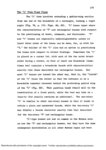
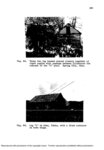
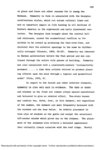
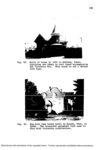
| OCR Text |
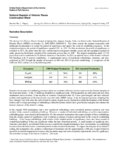
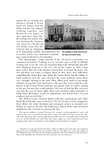
Show would serve, Smith prophesied, as home for the Saints only 11 for a little season," as he looked further westward to Missouri on the borders of Terr,~ory ·+ f or a permanen~... 1oca t.10n f or Z.,on. 1l . I nd ,an In the years to come, the Saints would move often as violent persecution, triggered by a persistent fear of Mormon Zionism, repeatedly drove them from their homes, first in Ohio, then Missouri, and f]nally, from Illinois, before a final exodus would bring them to the sanctuary of the Rocky Mountains. Throughout the early years of the Church's migratory existenc€, however, support for the missionary program never failed. On the surface, sending the young men of the Church away on proselytizing missions placed undue hardships on their abandoned families and seems often to have sapped the strength from the community at times when it was most needed. Yet, the "bread cast upon the water" returned dividends far in excess of the initial investment. Coming in ever increasing numbers during the years after 1840, newly won converts from the eastern United States, Britain, and northern Europe would swell Mormonism's ranks and infuse it with the renewed energy and manpower it needed to survive and even flourish through its darkest hours. 12 These converts also contributed significantly to the cultural diversity of the early Mormon population. Initial missionary efforts were directed toward the northeastern United States, the birthplace of many of the early members of the Church, and through the middle decades of the nineteenth century Mormonism reflected a strong New England cultural bias. Such homogeneity did not long endure, for the movement into Missouri had added to church membership rolls many converts from the Midwest and South and then, in 1837, at a time when Mormon fortunes were at perhaps 36 |