| OCR Text |
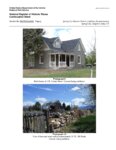
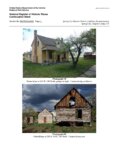
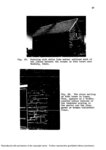
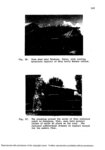
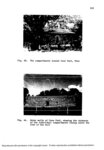
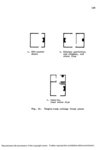
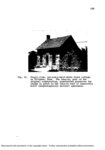
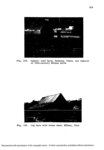
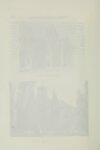
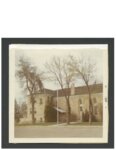
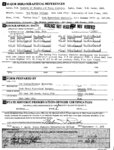
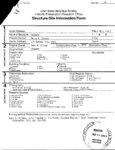
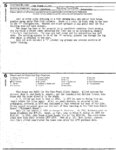
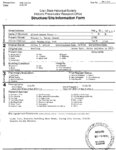
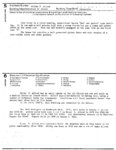
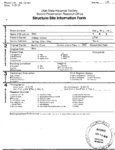
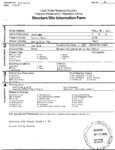
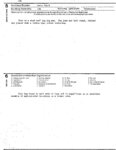
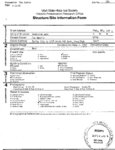
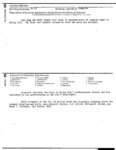
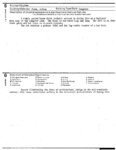
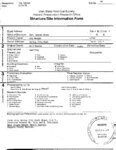
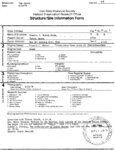
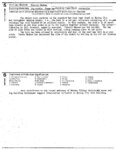
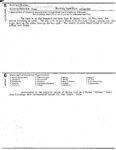
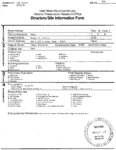
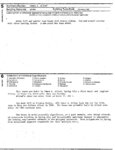
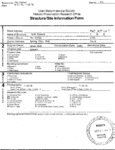
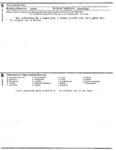
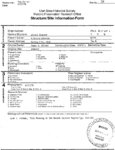
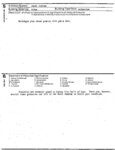
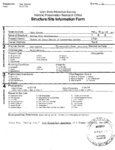
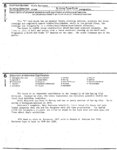
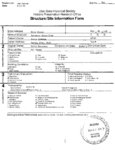
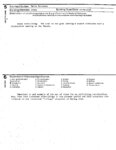
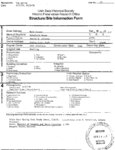
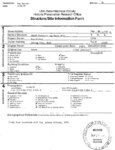
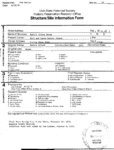
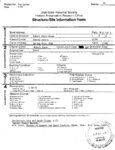
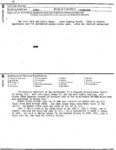
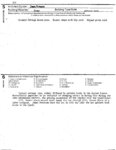
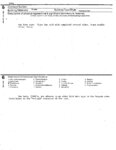
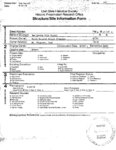
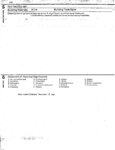
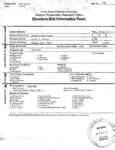
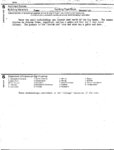
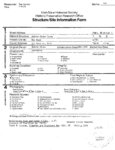
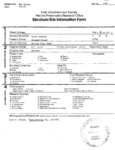
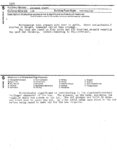
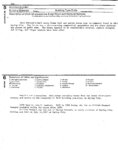
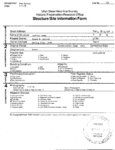
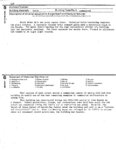
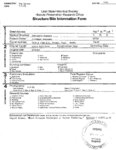
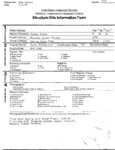
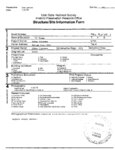
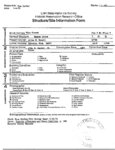
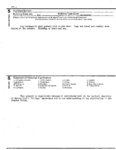
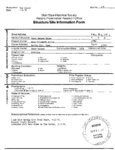
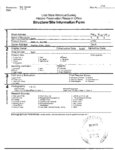
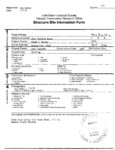
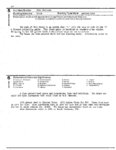
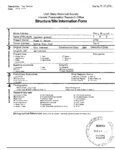
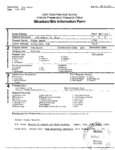
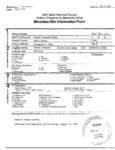
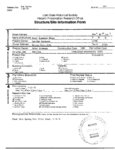
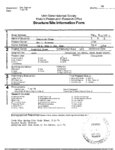
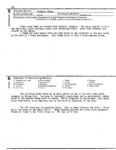
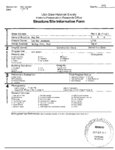
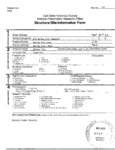
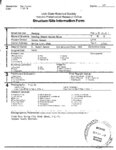
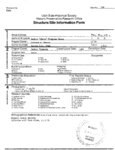
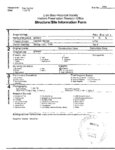
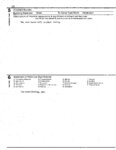
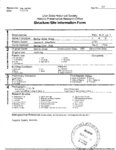
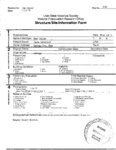
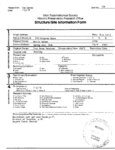
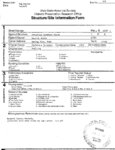
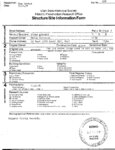
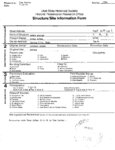
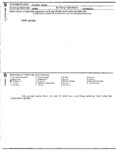
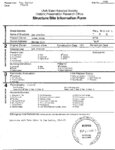
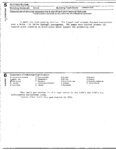
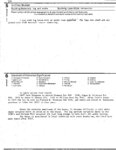
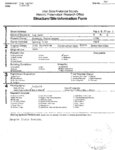
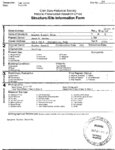
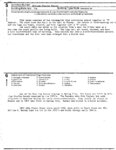
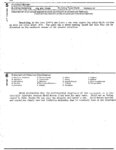
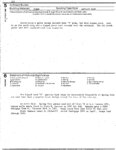
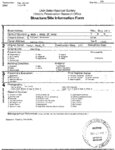
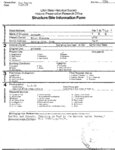
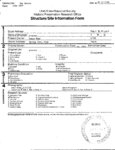
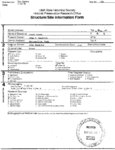
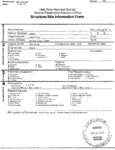
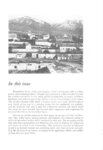
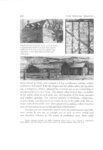
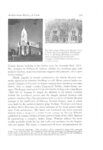
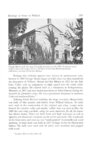
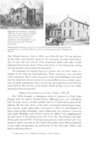
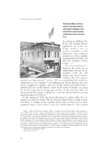
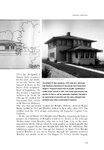
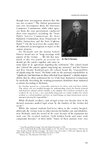
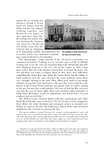
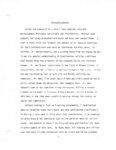
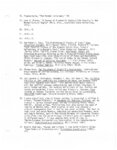
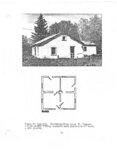
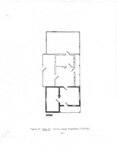
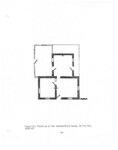
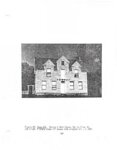
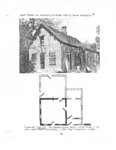
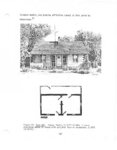
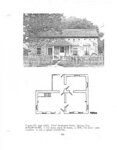
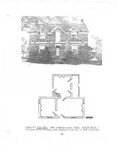
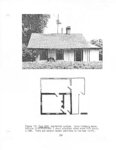
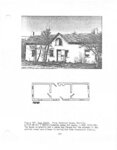
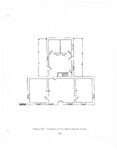
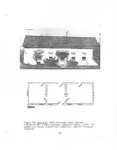
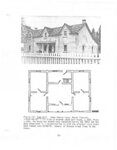
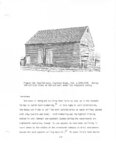
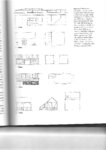
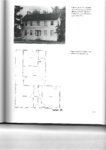
Show ujCC j2 y Architect/Builder: John Bohleen Building Materials: adobe Building Type/Style: Description of physical appearance & significant architectural features: (Include additions, alterations, ancillary structures, and landscaping if applicable) I s o < g >; O </j I Vernacular ————'————————————————:———————————————-————————————————————————————————————————————————————•-————— This house was originally a one room adobe house. The south end was built first and was a one-story two opening cabin type house. The adobe was unsheathed. Another adobe section was added later to the north. This section was also about square. The windows here are larger and of a later period. The house was stuccoed in the 1960 f s. Statement of Historical Significance: a D D D D Aboriginal Americans Agriculture Architecture The Arts Commerce D D D O Q Communication Conservation Education Exploration/Settlement Industry D a D D D Military Mining Minority Groups Political Recreation D D D D Religion Science Socio-Humanitarian Transportation This structure is significant as a very early example of Spring City vernacular buildings. The structure also illustrates the additive quality of Spring City archi tecture. John Bohleen (the family recently has changed the spelling to Bohlin) owned this lot through 1874 and probably built the early section about 1860. Peter Olsen later lived here and Jonas Petersen picked it up after a 1904 tax sale. It is not known who made the addition. Bohleen was a prominent stone mason in town, and was responsible for the masonry work on the meetinghouse and on many homes. In 1874 Bohleen moved to Block 43 lot 4. Lee Ray Sorensen tore this house down in the 1960's. |