| OCR Text |
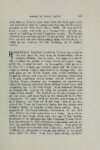
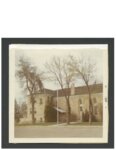
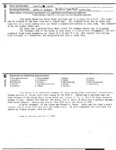
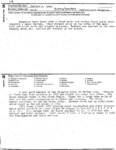
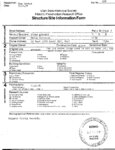
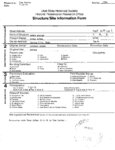
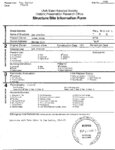
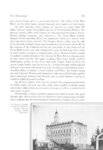
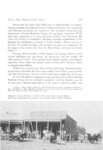
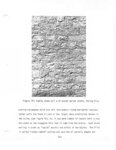
Show HISTORY OF SANPETE COUNTY. 473 community. The leaders in this second settlement were George Blain, R. N. Allred, Bishop C. G. Larsen and others. They erected homes and farmed under many difficulties until '66, when the colony was temporarily abandoned on account of Indian troubles and resettled in the fall. By co-operative efforts ditches were constructed, church and school buildings erected and other public work consummated. The land was divided as in other settlements and the stock herded in one town band. The Co-op store was the first financial concern, which began business on a very small scale in '68, and in '80 became an incorporated concern, with a capital stock of $5,000, divided into shares of §5.00 each, and later in- creased to §10,000. The store opened in a small room of a dwelling house, but has increased its volume of busi- under the wise management of such officials as Allred, Robert Blome, John R, Baxter, James C. Christensen, Joseph T. Ellis and others, until it now does an annual business of over §50,000, carrying a selected stock of general merchandise, farm implements and machinery and purchasing grain and farm produce. ness, James A. The is chief occupation of the residents of Spring City agriculture, but many are engaged in stockraising, woolgrowing, lumbering and other rural pursuits. Since the completion of the Rio Grande Western railroad in '90 the city has become a very important commercial point for the shipment of grain, wool, stock, lumber and other products. The native oolite stone quarries, for which the city is noted, have been developed somewhat and some of the choicest building stone in Ogden and Salt Lake City has been shipped from this place. Xo ex- tensive manufacturing industries have been established, but the people are contented and happy, having nice |