| OCR Text |
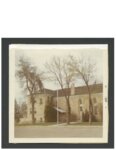
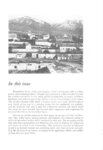
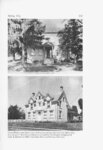
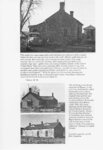
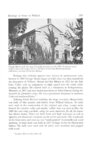
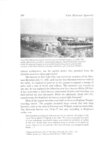
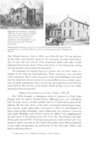
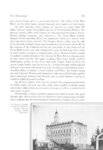
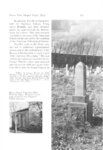
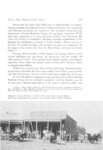
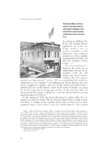
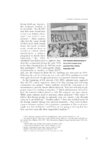
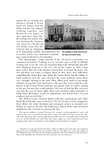
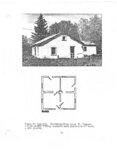
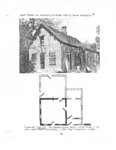
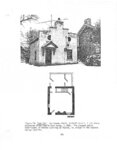
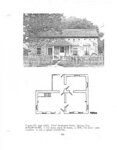
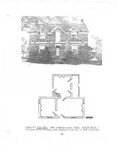
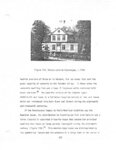
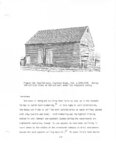
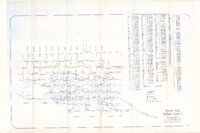
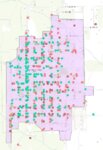
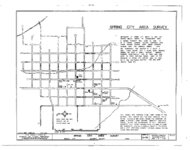
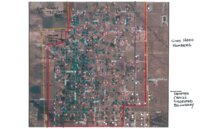
Show 288 Utah Historical Quarterly threatening visitors. As in most pioneer communities, there was constant dread of Indian attack or mischief. Several alarming incidents led Brigham Young to call for the construction of forts, and the fort built in Willow Creek between 1852 and 1855 was one of the largest. It was a half mile long and a quarter mile wide, with walls twelve feet high and two feet thick at the top. The east and north walls were mostly rock, while the west and south walls were of dirt. Although completion of the fort served to quiet nerves and clear the land of rubble rock, it soon was deemed unnecessary.3 As the town began to stretch beyond the confines of the fort, it took on a typically Mormon plan, with a north-south, east-west grid orientation. The blocks were large and the houses set back from wide streets lined with irrigation ditches. Outbuildings—sheds, granaries, and barns —were scattered through the blocks, and in all of them earth tones predominated. Contrary to the dispersed farmstead pattern fostered elsewhere in the American West by the Homestead Act and other land acts, in Willow Creek the agricultural lands were on the periphery of town, and many are now covered by Willard Bay. Although Willard was part of Weber County in the first years of settlement, it was soon annexed to Box Elder County.4 Then, in 1857, the residents decided to change the name of their town from Willow Creek to Willard in honor of Willard Richards, an apostle of the Church of Jesus Christ of Latter-day Saints. Lyman Wells built a small adobe home about 1851 that still stands as the nucleus of a larger brick home and is now listed on the State Register of Historic Sites. By 1852 Dwight Harding and others had built the first schoolhouse in the county, reflecting a general proclivity toward education.5 As other settlers built homes and community structures, Willard began to assume a distinctive character and appearance that persist to this day. The story of the town's builders and the heritage they left for others to enjoy merits telling in some detail. By 1856 the George Harding home—a large two-story adobe in the Nauvoo style—had been built. George and his brother Charles drove cattle to California in the early 1850s and brought the first mowing 3 Lydia Walker Forsgren, History of Box Elder County (n.p., n.d.), 269-70. On January 5, 1856, Box Elder County was created out of a portion of Weber County. T h e county boundaries were subsequently changed in 1866 and 1880. See Historical Records Survey, Works Progress Administration, Inventory of the County Archives of Utah, No. 2 Box Elder County (Ogden, 1938), 5-6. The town of Willard was formally incorporated on February 16, 1870 See Utah Territory, The Compiled Laws of the Territory of Utah (Salt Lake City, 1876), 743-45. B Nicholas, Willard Centennial, 2. 4 |