| OCR Text |
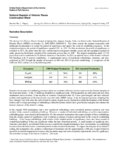
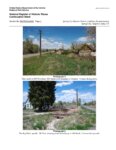
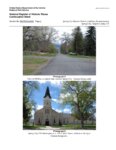
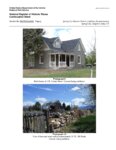
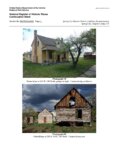
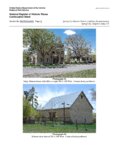
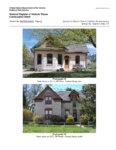
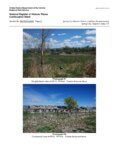
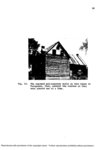
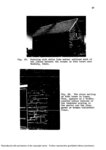
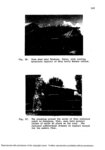
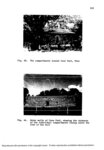
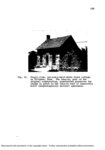
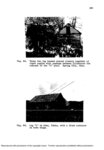
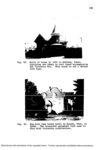
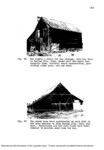
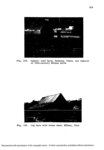
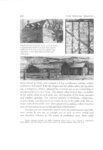
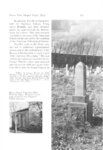
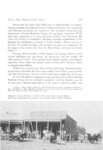
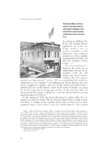
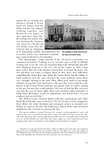
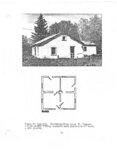
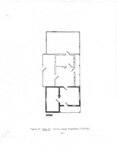
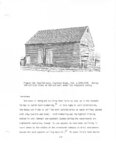
Show United States Department of the Interior National Park Service OMB No. 1024-0018, NPS Form National Register of Historic Places Continuation Sheet Section No. 7 Page 7 Spring City Historic District (Addition Documentation), Spring City, Sanpete County, UT only a handful were built with a style or scale that would be considered intrusive. The historic LDS Church meetinghouse and the Victorian Eclectic school remain the tallest buildings in the town. There are no large commercial buildings. Several recent residences have been built in styles that pay homage to their historic house neighbors. The amended historic district is primarily residential (81 percent). Other building uses include agricultural (eight percent), commercial (six percent), public (four percent), and other (one percent). The most common construction material is brick (32 percent) with stone, wood, and stucco/veneers also common (all around 20 percent). Adobe accounts for seven percent of resources but could possibly be higher as it was common practice to stucco over adobe buildings. Only two percent of the buildings are of concrete block. Late-nineteenth-century styles were used for 64 percent of contributing buildings in the district, split evenly between Classical/Vernacular (31 percent) and Victorian (33 percent). Perhaps the most distinctive part of the character of the district are the hundreds of outbuildings, which were not quantified in the original nomination. Mormon town planning recommended the interior of the town lots be devoted to outbuildings (e.g. barns, granaries, stables, pens, root cellars, well/spring houses, summer kitchens, wash houses, chicken coops, outhouses, etc.) [Photographs 10, 13 & 14]. The condition of Spring City’s auxiliary resources varies from pristine to almost ruin, but they represent over one hundred years of agricultural and transportation activity on the town lots. 18 The most significant, oldest and largest of these historic outbuildings have been included in the resource count for this amended nomination. The majority of historic outbuildings, mostly sheds and garages, are not included in the resource count, but those with good integrity enhance the historic character of the district are. The narrative description for the original nomination was not organized by contextual periods or by architectural types and styles. Furthermore, the nomination was inconsistent in evaluating examples of resources built after 1915, labeling some later buildings as contributory. In this amended nomination, contextual periods have been provided in order to give a better sense of the district over time. 19 Each period provides a statistical breakdown of the resources, as well as representative or significant examples of specific architectural types and styles. Each period also includes a brief discussion of modification trends that have impacted the resources over time. Settlement Period (1859-1869) This period begins with the resettlement of the town in 1859. Nine primary resources have been identified from this period: eight residences and the Spring City Pioneer Cemetery (a contributing site). The cemetery is the earliest resource with the first documented death in 1857 with a headstone from the early 1860s; however, earlier burials may be unmarked. Early construction in the Allred settlement was sporadic because of ongoing conflicts between the Native Americans tribes and incoming settlers. Log cabins were clustered within a fortification and the early meetinghouses of log (1860) and adobe (1863) were little used while permanent settlement was delayed. No remnants of the fort or the early meetinghouses remain. The Olsen/Jensen house is a rare surviving example of a log cabin with an adobe addition (269 E. 300 North, built 1869-1875) [Photograph 15]. The stucco covered Bohlin house, at 164 N. 100 West (built circa 1859 and expanded in 1884), is likely the oldest surviving adobe building. Other examples of log or adobe construction from the 1850s or 1860s may be incorporated into expanded houses now covered with stucco or other veneers. Some surviving early log or adobe dwellings were repurposed as outbuildings, most likely within the historic period. Log cabins were easily moved to other lots for use as agricultural outbuildings, making them especially difficult to date Graduate School of Architecture, University of Utah, “A Way of Seeing: Discovering the Art of Building in Spring City, Utah.” Edited by Thomas Carter and Julie Osborne. (Salt Lake City, Utah: Graduate School of Architecture, 1994.) Mormon outbuildings usually remained unpainted. Scholars have been unable to come up with a definitive reason why. 19 The contextual periods are partially based on chapter divisions in Watson’s Life Under the Horseshoe: A History of Spring City. 18 |