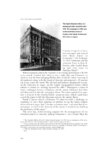
| OCR Text |
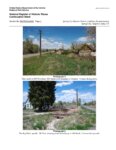
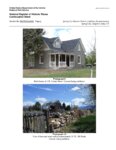
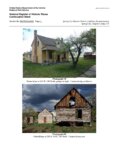
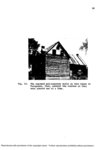
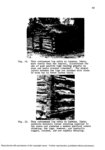
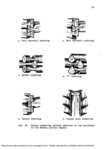
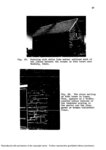
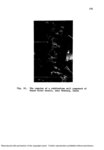
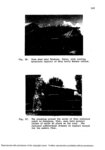
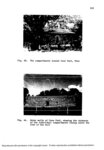
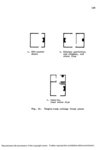
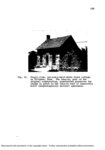
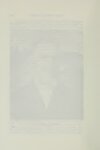
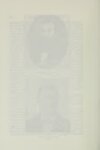
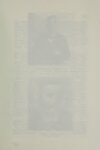
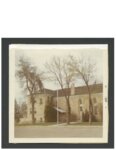
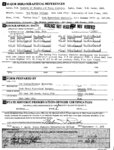
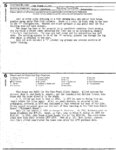
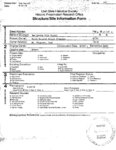
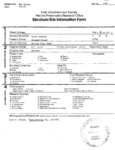
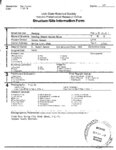
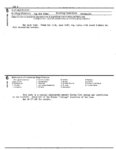
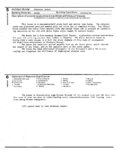
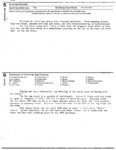
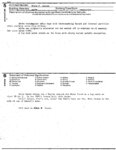
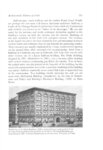
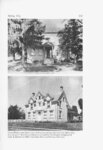
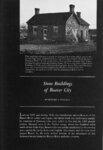
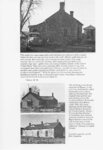
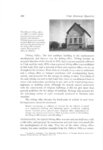
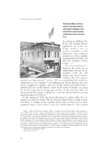
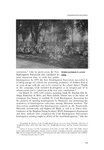
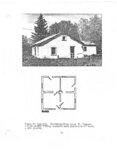
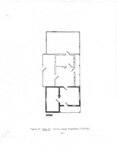
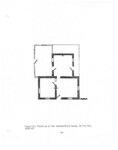
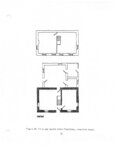
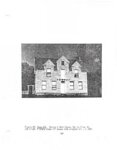
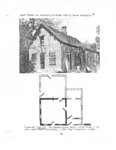
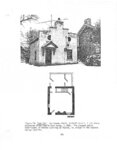
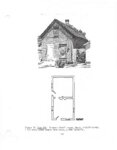
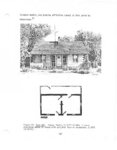
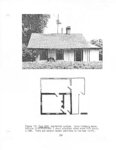
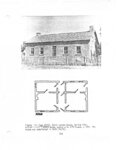
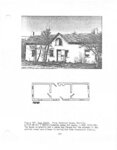
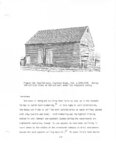
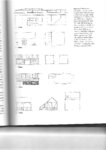
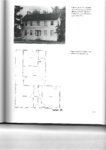
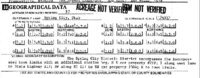
Show 188A m oc p! ft Architect/Builder: Neils Borresson Building Materials: log ____Building Type/Style: vernacular '.________ - —•——•——————————————-——————————:—————————:—!————————————————~———————————!——————————— Description of physical appearance & significant architectural features: (Include additions, alterations, ancillary structures,and landscaping if applicable) X o 5 ; : Square one-room log cabin. The logs are hewn and chinked (now cement, but original! mud and boards). Corner timbering is half dovetail. The door and window are contiguous on the front. In such a small house separating the door and window would have left a short section of logs unsupported between the two openings. Quicker and structurally more sound to have door and window in the same opening in the logs. The house has been removed from its original site and now stands behind a mobile home. Statement of Historical Significance: P Aboriginal Americans p Agriculture oKArchitecture D The Arts D Commerce Q P D D D Communication Conservation Education Exploration/Settlement Industry D P Q P P Military Mining Minority Groups Political Recreation D P a D Religion Science ; Socio-Humanitarian Transportation Architecturally significant as one of the few extent log houses in Spring City. Log houses were once numerous but now are rarely encountered in town. Neils Borreson's parents lived in this small log house (and the adobe addition). Neils later sold the lot to Marius Christensen. There were only the front rooms when he bought it and he added the adobe section in the rear. Christensen raised a large family here. He was not IDS but his wife was. She let her children choose their religion. The older children all went to the Methodist Church and school. Both Christensen and his wife, Ida Pederson, came from Denmark. At the time of their move to Utah he was in his twenties and she was about fourteen. Only Danish was spoken in their home. The fact that they were not IDS caused problems for the family. Celeste Christensen Harrison (their daughter) tells that townspeople would cross to the other side of the street, when she or other family members were in town, to avoid speaking to them. |