| OCR Text |
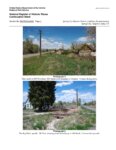
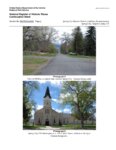
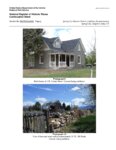
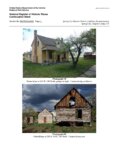
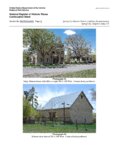
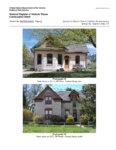
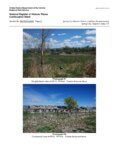
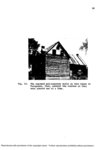
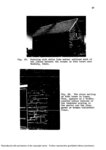
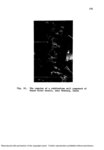
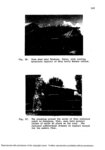
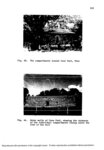
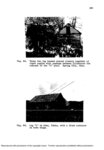
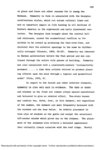
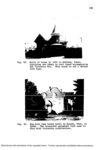
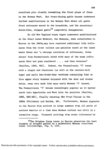
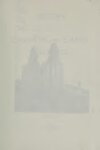
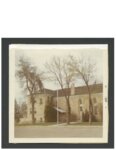
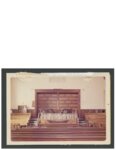
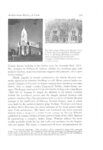
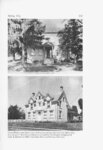
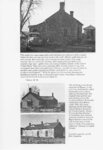
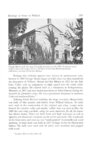
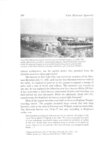
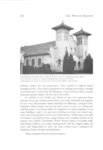
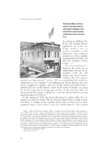
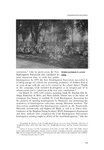
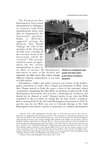
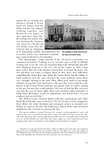
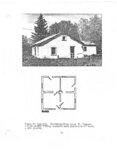
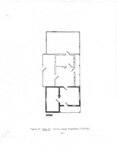
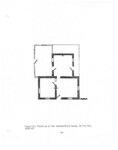
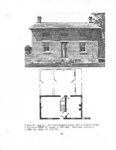
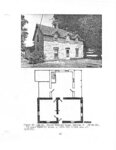
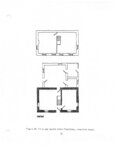
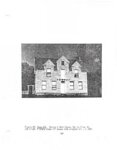
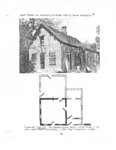
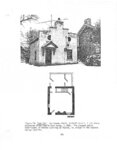
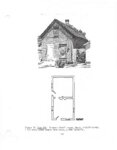
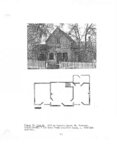
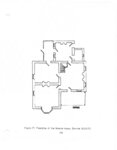
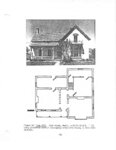
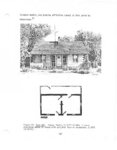
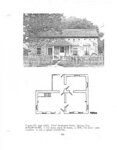
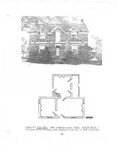
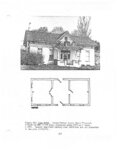
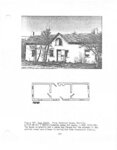
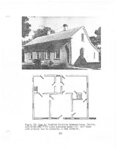
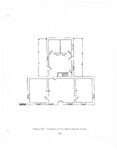
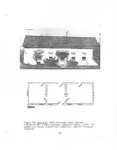
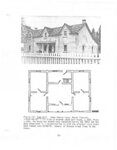
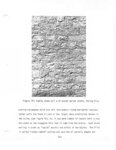
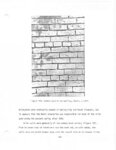
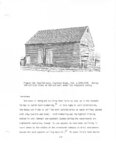
Show United States Department of the Interior National Park Service OMB No. 1024-0018, NPS Form National Register of Historic Places Continuation Sheet Section No. 7 Page 11 Spring City Historic District (Addition Documentation), Spring City, Sanpete County, UT The 1980 district nomination noted that Spring City has a number of buildings that “display the prominent role the LDS Church played in town.” 26 Although almost every Mormon settlement had similar LDS buildings, the cluster of extant buildings in Spring City from this period is remarkable. The oldest is the Relief Society granary located at 69 W. 300 South (built early 1870s), a 1½-story stone building used for food storage and meetings by the LDS Church women’s auxiliary [Photograph 29]. The Greek Revival stone building next door at 63. W. 300 South (built 1876) was used as a schoolhouse between 1878 and 1898, but its initial use remains a mystery. 27 The Methodists who came to Utah to teach Mormon children built a combined church/school/teachers’ quarters at 49 E. 100 North and provides an interesting contrast to the LDS Church’s stone buildings. The chapel section of the 1889 frame building was demolished around 1926 when the living quarters were converted to a family residence. 28 An addition was recently added to the front on the same footprint as the chapel [Photograph 31]. The crown jewel of religious buildings in Spring City is the LDS Church Meetinghouse at 164 S. Main Street. Built between 1902 and 1911, it was one of the last major buildings to be constructed entirely of oolite limestone in Sanpete County [Photograph 6]. Richard C. Watkins was also the architect for this Victorian Gothic meetinghouse. A compatible limestone addition was completed in 1977 by the church, a marked departure into preservation from an entity that prefers to replace chapels as programmatic needs change. During the construction of the meetinghouse, the LDS Church also built a Bishop’s Storehouse in 1905 (95 E. Center) [Photograph 32]. The building is one of five similar storehouses in the Sanpete Valley built from standard plans issued by the church building department. The building has a rock-face limestone foundation but with walls of fired brick. The arched entryways represents a transition from the Victorian era to styles of the early twentieth century. Contributing to the integrity of the yard is the original wrought-iron fence. Another transitional building is the home of district judge Jacob Johnson at 390 S. 100 West. The largest historic house in Spring City, it was built in two phases: a two-story classical stone hall-parlor facing 400 South circa 1875 and a 2½story stone addition in 1896 facing 100 West [Photograph 33]. The addition features a Queen Anne style tower and an Eastlake style porch. Both sections of the building have been plastered and scored. The Johnson property includes a complex of well-preserved stone buildings from the 1870s: the judge’s office, a granary, and a large carriage house/barn [Photograph 34]. 29 Jens Peter Carlson, a mason who worked on the Manti temple and Johnson house, built his own house across the street starting in 1896 (350 S. 100 West) [Photograph 35]. The Carlson house, another transitional house, is perhaps the finest example of stone masonry in Spring City with only an eighth of an inch of mortar between the stones. The 1½-story house is a central-block-with-projecting-bays, a common house type of the Victorian era. The 2021 survey of Spring City identified 32 contributing primary stone buildings versus 37 contributing brick buildings from this period; however, the visual impact of stone buildings is greater. Examples range from the one-story, singlecell, unadorned, Justesen house (circa 1887, 85 W. 400 North) to the two-story, cross wing, Victorian Eclectic, Erickson house (built 1888, 119 W. 200 North) [Photograph 36]. Of particular note in Spring City are examples of the rare Scandinavian house type known as the “parstuga” or pair house. The type is characterized by a central room flanked by two smaller rooms in the front wing. Spring City Historic District, NRHP Nomination Form (1980), sec. 7, p. 2. Some believe the masonic symbol above the door indicate it was a masonic lodge. The LDS Church uses some symbolism similar to the masons. Others suggest it was used for Mormon temple rituals prior to the completion of the Manti temple in 1888. The building is known locally as the Allred School, Old Rock School, or the Endowment House (named for a temple ritual possibly overseen by Orson Hyde prior to the schoolhouse period). 28 Other church buildings have been demolished, including the settlement-era meetinghouses, a separate meetinghouse for Danish immigrants, and a building used as a Presbyterian school. 29 In the 1968 HABS documentation, the Johnson office and barn, are mistakenly referred to as the tithing office and tithing barn. There is no record these buildings were associated with the church tithe program. There was a granary, barn, and root cellar, associated with the Bishop’s Storehouse on 100 West, but they were demolished many years ago. Reportedly Judge Johnson used the granary like a bank, lending surplus grain to Spring City residents. Spring City Historic District, Site #24A Form. 26 27 |