| OCR Text |
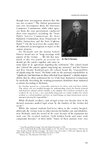
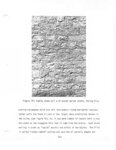
Show UTAH HISTORICAL QUARTERLY did wrong and we’re pretty sure we will all be killed.” The One Who Did It traded a rifle and ammunition with them and eventually left the area when he heard that soldiers were on the way. The Navajos who remained feared the Utes as much as they did the approaching cavalry—both of whom brought back memories of the pursuits of the “Fearing Time” and the subsequent Fort Sumner period.31 Left Handed’s mother panicked, “running around, saying, ‘I want to go right now. I want to save myself.’”32 Her husband, Old Man Hat, took a calmer approach; even after she fled, he leisurely gathered his livestock and prepared his camp for evacuation before leaving with a large group of Navajos for the canyon country. In the meantime, the cavalry had surrounded the empty Ute camp, the Utes and Paiutes having moved out to a “big round rock” where they spent the night building a wall with firing ports. The One Who Did It and his friend, Hairy Face (Nii’dit[’oii), built their own defensive position and waited. After the soldiers departed, Old Man Hat took charge and persuaded a group of fifty men to accompany him to visit the soldiers. As they traveled, the Navajos discussed how they would respond if asked about the Utes. They decided to say they knew nothing because the Utes had returned to their country. The Navajos “did not want any of the troops to get killed. If they’d gone after them [the Utes] they’d have been killed for sure, because the Utes and Paiutes were up on the big rock and had everything ready.”33 As they rode, the Navajos asked Old Man Hat to sing a war song as protection and as insurance that the talks would go well. Old Man Hat agreed and instructed them to swing their horses into a line, stretched out in an open area. By the time he finished, the Navajos reached the top of a hill and saw a large camp by a wash. Old Man Hat put his men in line again and approached the camp, which showed little sign of activity. As the Navajos arrived at the edge of the wash, the soldiers came running from their tents, “making some kind of noise, whistling or something,” then forming their own line, with rifles ready. In the meantime, Kingsbury and his interpreter, Chee Dodge, emerged from a tent and approached the Indians. They invited Old Man Hat to get off his horse; they shook hands in friendship, instructed all of the Indians to dismount and shake hands, and ordered the soldiers to stack arms and return to their tents. Old Man Hat introduced himself and his purpose: We came here to shake hands with you, and we came to talk in the kindest way to each other. We came here for peace. And now we’ve shaken hands and are talking to each other in the kindest manner, we’re all friends now. That’s what we came here for. Even though I’m old—you look at me, and you know I’m old; you look in my mouth and 31 Utes aided Kit Carson in his scorched-earth campaign against the Navajo in 1863-64, a period that the Navajos came to call the “Fearing Time.” 32 Dyk, Son of Old Man Hat, 184. 33 Ibid., 188. 262 |