| OCR Text |
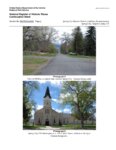
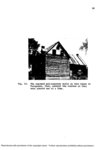
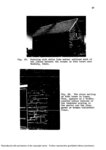
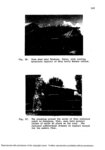
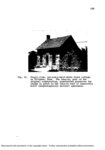
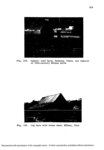
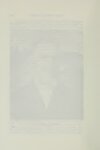
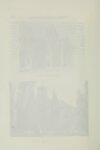
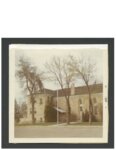
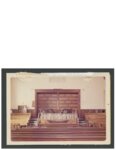
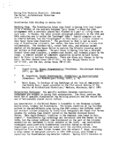
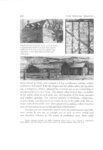
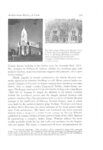
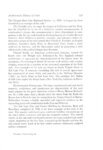
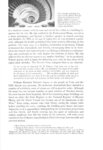
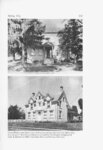
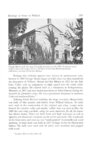
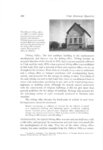
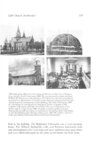
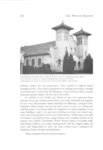
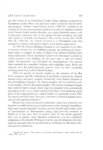
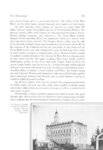
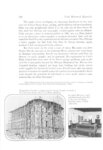
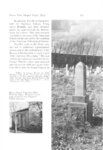
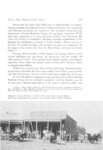
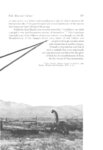
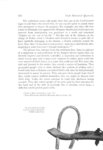
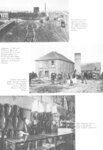
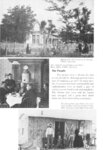
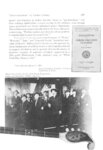
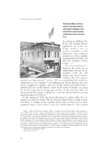
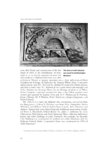
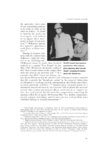
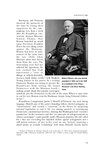
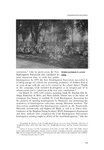
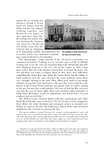
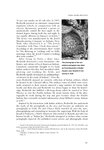
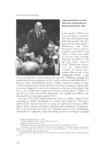
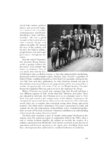
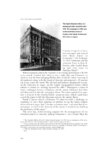
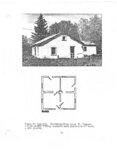
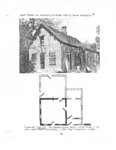
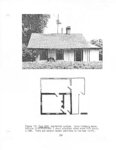
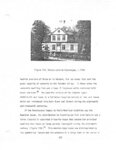
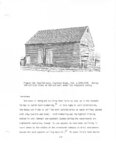
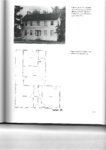
Show c Americanization" of Carbon County 193 son for this, and an explanation for the dispersion of other groups into American life, can be found in the fact that after the restrictive immigration legislation of the 1920s, Japanese and southern and eastern European populations were no longer being fed by newcomers as in prior years, whereas the Mexican influx continued. So, with regard to the former groups, language maintenance and many traditions and customs were further modified, since many times their significance was tied to Old World conditions. Even though cultural traits were modified in the accommodation process, cultural maintenance in the broad sense was not lost. Ethnic identification continues. Thus, the legacy left to Carbon County is ethnic diversity. Whether it be the Greek Orthodox Church, Saint Anthony's in Helper or Notre Dame in Price (the former reportedly built in response to Italians, the latter to the French), or the remaining business blocks built by immigrant businessmen—their existence is testimony to the county's past. The character of Carbon County's past is also its future character, because as coal begins its new reign as "king" the diversity of population continues. In conclusion, a final irony remains: through efforts to force conformity, the result was, in most cases, a stripping away of a certain identity, the same identity that is now sought by people trying to find "roots" or to reidentify with their ethnic heritage. Fortunately for Carbon County residents, the diversity of character that marked its beginning is still evident. Such a cultural resource should indeed be preserved and remain a source of public pride. Home of the Louma brothers, Finnish miners at Clear Creek. George Edward Anderson photograph, USHS collections. |