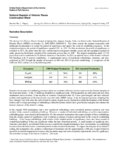
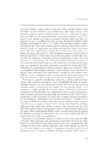
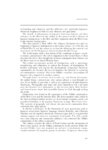
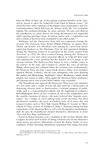
| OCR Text |
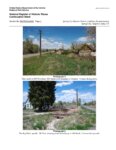
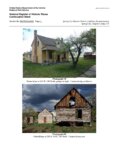
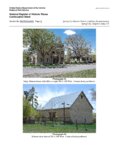
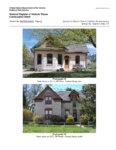
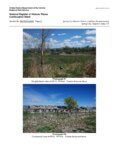
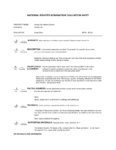
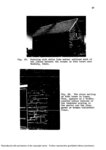
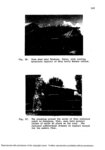
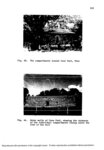
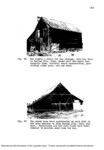
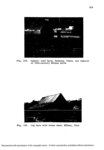
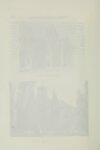
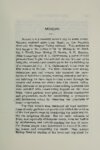
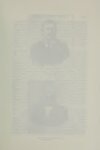
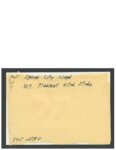
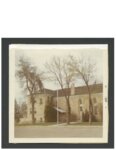
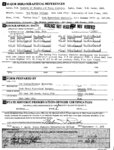
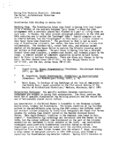
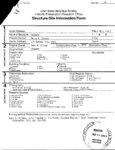
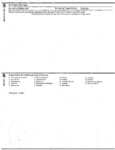
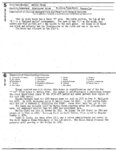
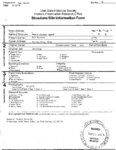
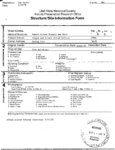
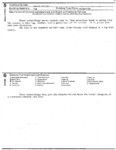
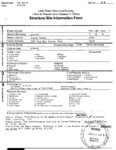
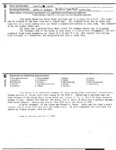
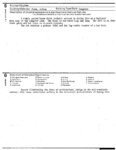
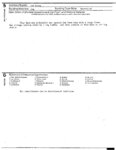
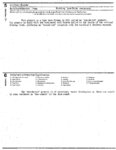
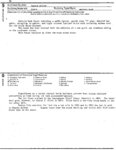
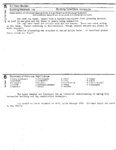
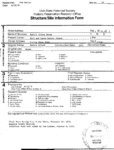
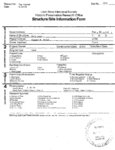
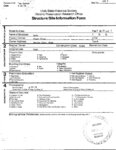
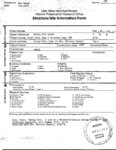
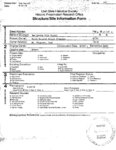
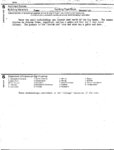
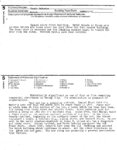
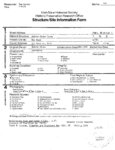
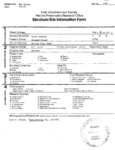
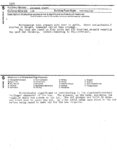
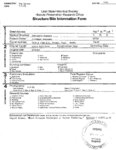
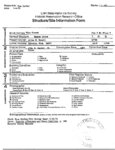
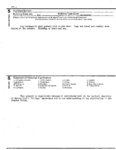
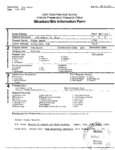
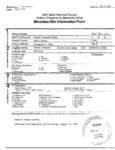
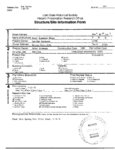
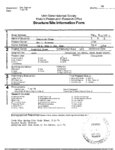
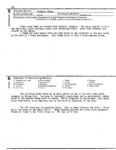
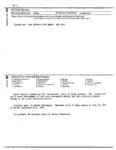
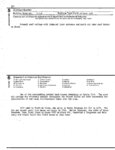
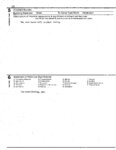
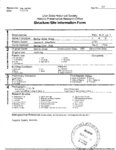
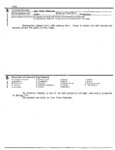
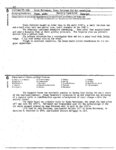
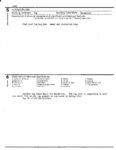
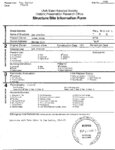
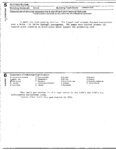
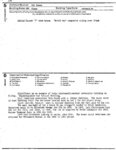
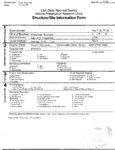
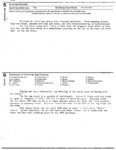
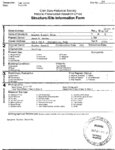
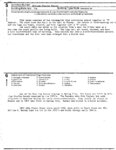
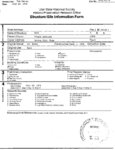
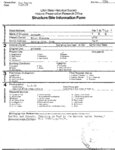
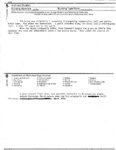
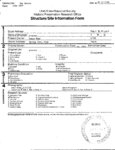
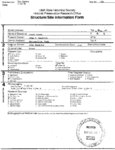
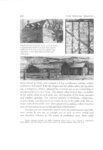
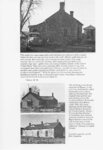
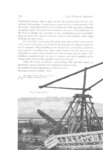
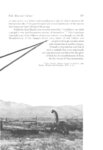
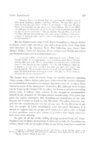
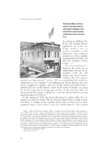
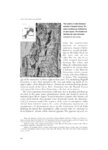
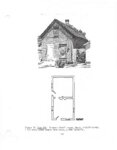
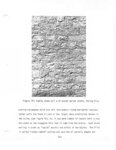
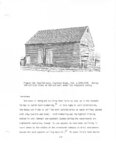
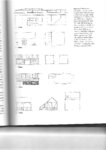
Show w 2 C Architect/Builder: Building Materials: log and frame Building Type/Style: vernacular Description of physical appearance & significant architectural features: [|j (Include additions, alterations, ancillary structures, and landscaping if applicable) b y < _______ ' "———————————————————————'————————————————————————————————————•—————————————————————!———————————————'-—————'_————•———————!—————'•——————————————————————————————————————!———-————————————-—————— .--..: ^ Conforms to standard hay bairn type. The hay crib is frame with vertical siding going only about eight feet up the side, the top is open. The log stable is sawed square with no chinking needed for a tight fit and the corner-timbering is full dovetail g Statement of Historical Significance: ^ O «) E D Aboriginal Americans D .Agriculture Bf Architecture D The Arts D Commerce D D D D D Communication Conservation Education, Exploration/Settlement Industry D D D D D Military Mining Minority Groups Political Recreation D D D D Religion Science Socio-Humanitarian Transportation This building is architecturally important because it represents the typical barn built in Spring City in 1865-1940, Its longevity attests to its suitability to 'the Sanpete farmer's needs. The masterful log work on these barn stables is probably a Scandinavian legacy to Spring City. |