| OCR Text |
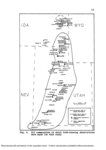
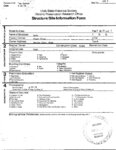
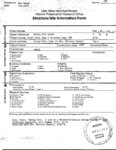
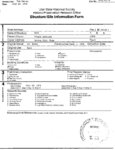
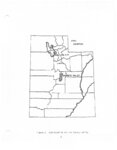
Show During Christmas vacation in 1977, I traveled from Indiana to Salt Lake City to appraise the available archival resources and to prospect for a likely study area. The holdings of the major institution dealing with Utah architecture, the Preservation Office of the Utah State Historical Society, were meager. The Preservation Office had at that time conducted no intensive local housing surveys and had not pursued the type of intensive field documentation required by my work. The only substantive architectural data available for studying Utah housing consisted of the several dozen measured drawings completed during the 196Os and 197Os by the Historic American Buildings Survey and the small Northern Utah collection of Dr. Austin Fife at Utah State University. It became clear that my work woulc have to begin from scratch--a comforting thought for it reinforced the need for and importance of such an undertaking. Not wanting to fall into the trap of biting off more than I could chew, I worked from the beginning with the idea of finding a small, manageable study area which contained architectural resources sufficient for the task at hand. Of the early-settled areas in the state, the Salt Lake and Utah Valleys were quickly dismissed because urbanization had effectively wiped out their nineteenth century residential architecture. Similar though less complete development had occurred in the Davis-Weber area north of Salt Lake City and in the extreme southern area of Washington County thus eliminating these areas from consideration. Several individual towns like Beaver, Scipio, and Paragoonah in south-central Utah and Willard in Box Elder County contained the numbers of early houses I was looking for, yet were too small to serve my needs. This left a choice between the Cache Valley in 22 |