| OCR Text |
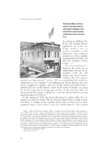
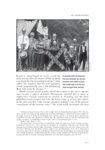
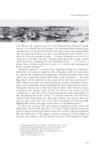
Show WINTER 2013 UHQ pp 91-104_UHQ BReviews/pp.271-296 12/5/12 9:50 AM Page 101 BOOK REVIEWS in farming and ethnicity, and the influence of a particular Japanese American neighbor, led him to study ethnicity and agriculture. The dearth of information on Japanese American farmers and their influence in the West led the author to the present book: A history of Japanese immigration to the West and their migration from the West Coast to the interior western states. The time period is from 1882—the Chinese Exclusion Act and the beginning of Japanese immigration to the United States—to 1945, the end of World War II and the return to civilian life following the removal and internment of 120,000 Japanese Americans from the West Coast. The book begins with a description of the conditions in Japan—social, economic, and personal—that led to migration to the United States. It then describes the forces that brought the Japanese immigrants from Hawaii and the West Coast to the inland Western states. The author incorporates models of immigration, such as uprooting, transplanting, and adaptation, to explain the dynamic of immigration. To further understand and explain the development of Japanese American communities, he discusses the idea of diaspora--the dispersal or scattering of communities overseas. The term Nikkei describes descendants of Japanese who emigrated to another country. Through diaries, interviews, local records, and oral history documents, the author brings a personal and very human odyssey as seen through the eyes of one family in particular as well as the experiences of other Japanese Americans. Photographs and maps add visual immediacy. On a personal note, the histories were informative, as this reviewer knew these families and learned more about their incredible history in Utah through reading this book. Distinctions were found in the experiences of the Nikkei communities of the West Coast and the Interior West. The fewer numbers who settled in the interior formed smaller enclaves yet faced similar economic, social, and prejudicial hardships as the Japanese Americans in larger West Coast cities. The austerity of geography and climate also prevented communities from coalescing into larger groups. A chapter is dedicated to the formation of local associations such as Japanese associations, Japanese language schools, Buddhist and Christian churches, and the Japanese American Citizens League (JACL) that provided cultural support and served as community focal points. The LDS church was a key religious and community influence that cemented the Nikkei communities to the white community. The author describes the effects of Pearl Harbor and the internment of West Coast Japanese on the Nikkei communities in the interior. While the interior Nikkei were not rounded up and put in internment camps, wartime hysteria led majority groups to presume all Japanese Americans 101 |