| OCR Text |
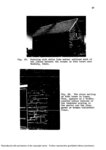
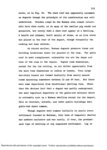
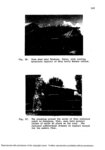
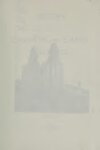
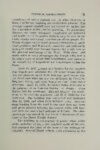
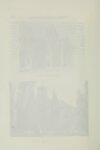
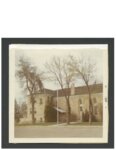
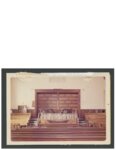
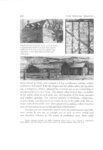
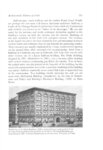
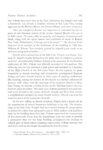
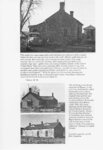
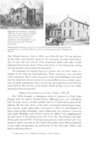
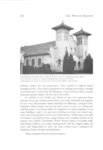
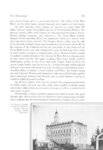
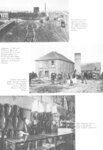
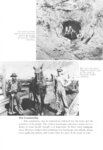
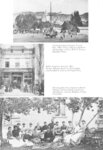
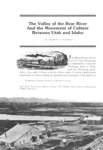
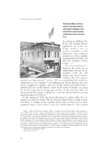
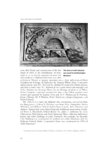
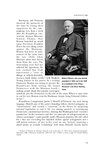
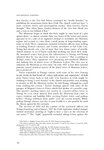
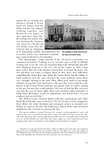
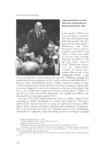
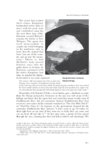
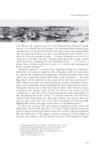
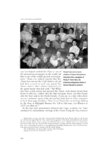
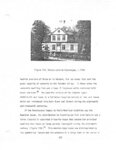
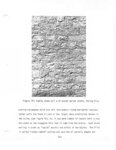
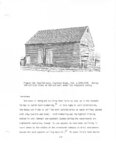
Show WINTER 2013 UHQ pp 4-90_UHQ Stories/pp.4-68 12/5/12 9:38 AM Page 51 TOM BROOKS SANPETE OOLITE LIMESTONE Under the leadership of Isaac Morley, the Ephraim oolite limestone quarry original settlers of Manti comprised of 224 about 1901. men, women, and children arrived in the isolated, high-mountain Sanpete Valley on November 19, 1849, and sought shelter from the winter winds on the south side of a prominent sagebrush, juniper covered, and rattlesnake infested hill protruding from the plateau to the east that would later become known as “Temple Hill.” Twenty-seven dugouts were built into the hillside composed of shale and oolite limestone. This first group of settlers included at least one stonemason, Agustus E. Dodge who was born in New York. Early pioneers spent the first miserable winter in the dugout caves. Their first homes were built of logs and later adobe. Trees had to be felled in the nearby mountains and hauled to the building site for log homes, but the stone was nearby. Elizah Averett born in Tennessee, Jerome B. Kempton born in New York, Thomas Thorpe from England, Welcome Chapman from Vermont, Artemus Millet from New Hampshire, and William Miles from New York were masons and stonecutters who arrived in 1850.11 Within the first few years of settlement, these stonemasons recognized the utility of the stone exposed in that first hill where settlement began. Stone quarries were quickly opened and stone was quarried for farm buildings, many of the first houses, all of the first public buildings, and a stone wall fort, twelve-feet 11 Population Schedules of the Seventh Census of the United States 1850, Microfilm roll 919, National Archives Microfilm Publication. 51 |