| OCR Text |
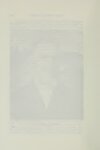
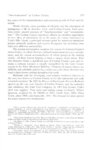
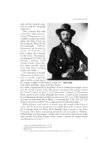
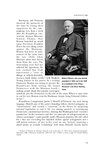
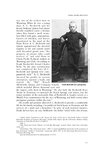
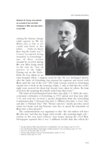
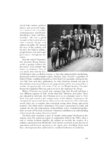
Show GETTYSBURG REUNION Seymour B. Young, who enlisted as a private in the Lot Smith Company in 1862, was later active aiming his famous charge r ight against us. We lay down just as low as we could and fired at the rebels. . . . Little we knew how big the battle was.”60 Corser recounted being wounded at Gettysburg— one of three ser ious wounds he received during the war. After being struck in the side, he “lost all interest in the fight.” Passing out on the battlefield, he was taken to an army hospital where a surgeon saved his life. He was discharged shortly after the battle of Gettysburg, but rejoined his regiment and served with them until the end of the war.61 The Utah veterans arrived in Gettysburg around two o’clock on the morning of July 1, only to find that five of the eight tents reserved for them had already been taken by others. By four o’clock in the morning, they finally settled into their tents.62 The battle of Gettysburg had lasted three days (July 1–3, 1863); the semicentennial celebration at Gettysburg in 1913 spread over four days (July 1–4), and each day received a special designation from the Gettysburg Commission: July 1, Veteran’s Day; July 2, Military Day; July 3, Civic Day; and July 4, National Day.63 The “formal exercises,” mostly speeches, lasted about two hours each day. Veterans were free to spend the remainder of their time as they pleased.64 The commemoration was organized so that “the old soldiers will have the first day,” and that day began with reveille—the morning bugle call— similar to the way most soldiers’ days began during the Civil War. Newspapers reported that it was “a different reveille than that which the 60 “Another Warrior Who Played His Part on Battlefield,” Salt Lake Telegram, June 29, 1913. “Got His Wound in Wheat Field Fight as Bullets Rained,” Salt Lake Telegram, June 29, 1913. 62 “Hot Car on Hot Day,” July 10, 1913. 63 “Veterans Meet Today,” Salt Lake Herald-Republican, April 12, 1913. 64 “Historic Field,” June 30, 1913. 61 279 UTAH STATE HISTORICAL SOCIETY in the GAR. |