| OCR Text |
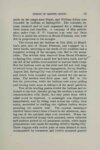
Show FALL 2013 pp 386-404_UHQ BReviews/pp.271-296 9/16/13 1:22 PM Page 390 UTAH HISTORICAL QUARTERLY brothers and demonstrates their role in nearly every aspect of the West: participating in the fur trade, opening and operating trading posts, creating significant relationships with Native people, scouting, shipping and trading on overland routes, ranching, founding new towns, and pioneering trails. The Brothers Robidoux is heartily recommended to all interested in the fur trade and in western history. JOHN D. BARTON Utah State University–Uintah Basin Shifting Borders and a Tattered Passport: Intellectual Journeys of a Mormon Academic. By Armand L. Mauss (Salt Lake City: University of Utah Press, 2012. xvii + 258 pp. Cloth, $25.00.) AMONG the Utah State Historical Society manuscript holdings of prominent Utah and Mormon historians are the sixty-one boxes that compose the Armand L. Mauss papers. Mauss was born in Utah but grew up in California. While completing a PhD in sociology at the University of California, Berkeley, Mauss taught for two years at Utah State University before moving to Washington State University. There he taught sociology and religious studies for thirty years until his retirement in 1999. The author of numerous journal articles, Mauss is best known among Utah readers for his two books published by the University of Illinois Press, The Angel and the Beehive: The Mormon Struggle with Assimilation (1994) and All Abraham’s Children: Changing Mormon Conceptions of Race and Lineage (2003). The latter volume won the Mormon History Association’s Best Book Award in 2004. These groundbreaking books take up two fundamental questions that Mauss reintroduces in a much condensed and abbreviated version in this volume, namely, the apparent contradiction in the assimilation struggle for Mormons between “the external message . . . ‘We’re just patriotic Christians like most other Americans,’ [with] the internal message . . . ‘There is only one true church, and ours is it; don’t forget that!’” (91). The race question is equally challenging, as Mauss finds, for past Mormon attitudes and practice, while no worse than those of other groups, were grounded neither in written scripture nor in latter-day revelation but “in the political, social, and cultural world in which the LDS Church evolved after the prophet [Joseph Smith’s] death” (112). Mauss offers his understanding of the revelatory process as one most often “informed by the research of experts and consultants, both from inside and outside the church itself ” (45). Shifting Borders and a Tattered Passport is a most appropriate title for a book that examines a life-long journey back and forth across the borders of 390 |