| OCR Text |
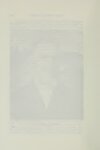
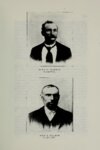
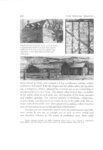
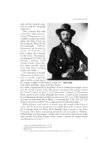
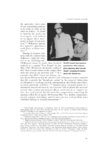
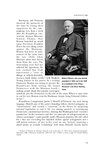
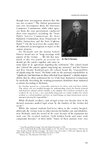
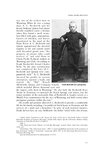
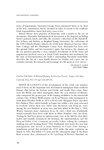
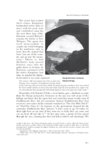
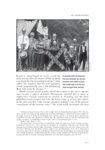
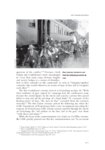
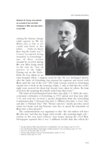
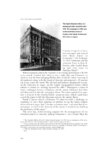
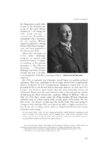
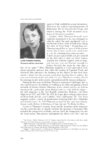
Show FALL 2013 UHQ pp 304-385_UHQ Stories/pp.4-68 9/16/13 1:25 PM Page 326 UTAh STATE hISTOrICAL SOCIETy UTAh hISTOrICAL QUArTErLy story a week later, the introductory note stated that “it is the most graphic and most important story published during the tense days that followed the disaster.”3 According to one account, “every Saturday morning paper has paid compliment to the genius of Mr. Russell in securing the only account of this terrible calamity by Mr. Bride, and congratulations have been numerous from friends and newspapermen for the achievement.”4 It was all improbable. Russell was an extraordinarily talented journalist who was not always able to stay in the good graces of his editors and publishers. He had served with the Utah Light Artiller y in the Philippines during the Spanish-American War, where he acted as General John J. Pershing’s personal stenographer. He also had a brush with several Filipinos who had Russell during the Spanishcaptured an American soldier that Russell American War, from the Deseret freed by engaging with them, reportedly News, June 3, 1899. killing two Filipinos and receiving a serious head wound.5 At the same time, at the age of eighteen, Russell started and edited American Soldier, one of the army’s first newspapers for servicemen. On his way home from the war, he talked Stanford University’s president, David Starr Jordan, into admitting him into the university. He graduated from Stanford in 1904 with high honors and returned home to Salt Lake City where he worked for several of the local NEW YORK TIMES, who visited him with Mr. Marconi in the wireless cabin of the Carpathia a few minutes after the steamship touched her pier.” The story clearly was not “dictated” to Russell, though Bride no doubt told it to him and the newspaper billed it as being in Bride’s “own words.” Meyer Berger’s usually reliable The Story of the New York Times, 1851–1951 (New York: Simon and Schuster, 1951), 200, in addition to getting the reporter’s name wrong, described the report as having been taken down “verbatim.” 3 “Titanic’s Surviving Wireless Man,” April 28, 1912. 4 Janet [Jeanette Young Easton], “Salt Lakers in Gotham,” Deseret News, April 27, 1912. Jeanette Young Easton was a daughter of Brigham Young and a professional singer who lived in New York City with her tenor husband, Robert C. Easton. Her weekly “Salt Lakers in Gotham” was a newsy column about Utahns living in or visiting New York City. Regarding the Eastons, see Ardis E. Parshall, “The Loveliest Missionary Tract Ever Published,” Keepapitchinin, December 28, 2008, accessed July 2012, www.keepapitchinin.org/2008/12/28/the-loveliest-missionary-tract-ever-published. Rival newspapers in New York City did not identify Russell as the reporter who interviewed Bride, though some noted the Times’ account. The New York Herald was very critical of the Times’ part in an alleged conspiracy with the Marconi Wireless Company not to have the Carpathia provide responses to incoming messages to preserve exclusive rights (and monetary value) to the Titanic story that would be told by any wireless operator from the Titanic. “‘Keep Your Mouth Shut, Big Money for You’ Was Message to Hide News,” New York Herald, April 21, 1912. 5 “Utah Newspaper Men in the Philippines,” Deseret News, June 3, 1899. 326 |