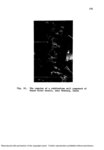
| OCR Text |
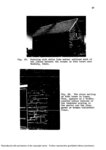
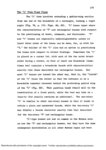
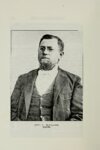
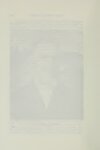
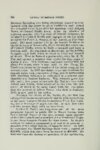
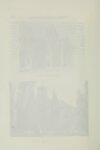
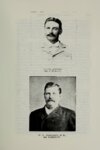
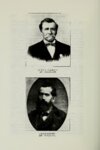
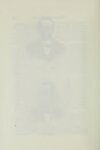
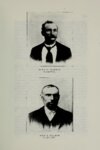
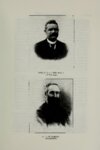
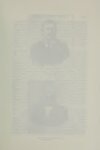
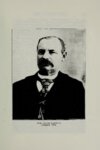
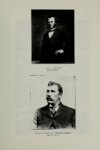
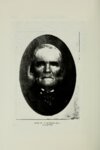
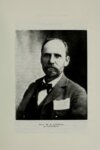
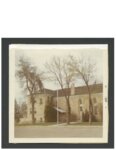
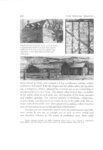
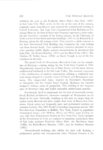
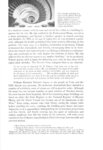
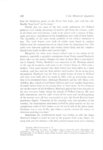
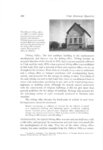
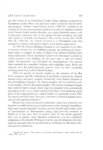
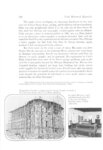
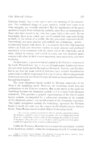
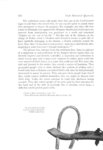
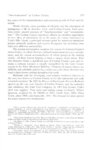
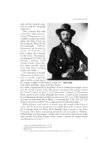
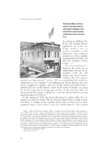
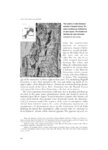
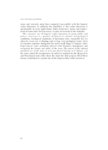
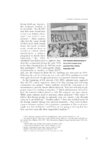
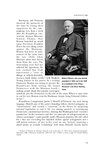
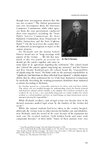
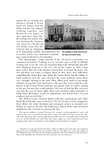
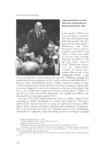
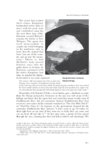
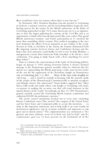
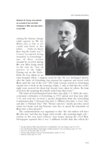
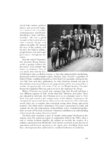
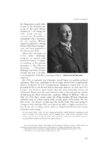
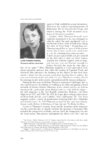
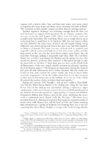
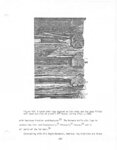
Show UTAH HISTORICAL QUARTERLY Hashkéneinii Biye’ (left), photographed late in life by Charles Kelly, and his great- UTAH STATE HISTORICAL SOCIETY grandson. personal infor mation we have about his father, Hashkéneinii, their activities during the Long Walk period, his later dealings with the prospector Cass Hite, and aspects of Navajo culture and history in the Navajo Mountain–Kayenta region. Yet Hashkéneinii Biye’ said nothing about the murders, except for what he implied when he talked about miners who came into his area to look for a silver mine. “If they refused to go, he [Hashkéneinii] had to kill them. Many white men have been killed around here; I have killed some myself.”37 Kelly went on to publish two articles based on his interviews, but he apparently did not know about the WalcottMcNally incident.38 Hashkéneinii Biye’ died two years later; to most historians this part of the past remained buried in archives as deeply as Walcott’s body was buried in the earth. For the Navajo people living in the Monument Valley–Kayenta–Navajo Mountain region, the heritage of the old patriarch, Hashkéneinii Biye’, continues. As the father of twenty-eight children from eight wives and as one of the wealthiest Navajos of his place and time, Hashkéneinii Biye’ left a legacy that endures in the oral tradition. Many families bear the name Atene, a simplified version of the name !t’7n7—The One Who Did It. In 1991, I had the good fortune to interview seventy-two-year-old Betty Canyon, a paternal granddaughter of Hashkéneinii Biye’, in Monument Valley. Her understanding of the incident sheds light on her grandfather’s 37 Charles Kelly, “Chief Hoskaninni,” Charles Kelly Papers,USHS. Charles Kelly, “Hoskaninni,” Desert Magazine 4, no. 9 (July 1941): 6–9, and “Chief Hoskaninni,” Utah Historical Quarterly, 21 (July 1953): 219–26. 38 264 |