| OCR Text |
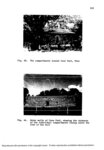
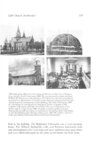
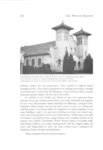
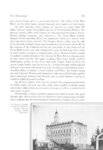
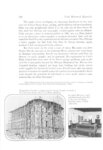
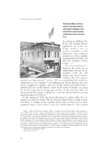
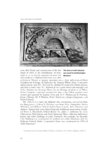
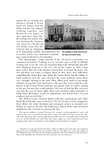
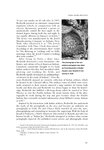
Show 246 Utah Historical Quarterly its hipped roof crowned with a balustrade. The walls, constructed of cut stone and adobe block, were plastered and decorated with proper classical pilasters, blank windows, and a decorative frieze of the Doric order. The front entrance was given emphasis with an open porch supported by two Doric columns. The detailing of the columns, frieze, and other elements demonstrated Folsom's understanding of the classical style. In contrast with the rather austere exterior, the interior of the building was finished in elaborate fashion. The three balconies formed a graceful curve around the rear and sides of the auditorium, supported on slender classical columns. The stage was surrounded by an arched proscenium that included four elaborately decorated boxes. In completing the interior decorations, Folsom had the assistance of others, including E. L. T. Harrison, an English convert who arrived in the valley late in 1861 from London where he had received architectural training. According to one contemporary account, the elaborate chandelier was the work of another designer—it was constructed from a cart wheel after designs created by Brigham Young.12 Although contemporary descriptions of the Salt Lake Theatre were silent on the matter, many later accounts have stated that the building was modeled after the famous Drury Lane Theatre in London. A comparison of the two buildings reveals some similarities. Folsom had no firsthand knowledge of the Drury Lane, although Truman Angell may have visited it on his tour of London theatres, and many English immigrants and returned missionaries (including Brigham Young) may have been familiar with it. E. L. T. Harrison was aware of the building; however, his arrival in Salt Lake late in 1861 after the theatre was under construction limited his influence to the interior designs.13 In any case, although the two theatres were similar in their general plans, it is evident that the Salt Lake Theatre was no simple copy of the Drury Lane. For example, the arrangement of windows and doors on the main facade of the Salt Lake Theatre was virtually the same as the London building, but the Drury Lane lacked the columned porch, and its doors were arched rather than rectangular. Other sources may also have influenced the building in Salt Lake City. The columns at the porch were about the same size as those Folsom had constructed for the capitol in Omaha only a few years before, and the composition of porch, columns, and pilasters on the facade was identical to many Greek Revival churches 12 F . H . Ludlow, The Heart of the Continent (London, 1870), 370-71. "Alice Merrill H o m e , Devotees and Their Shrines (Salt Lake City, 1914), 23-24. |