| OCR Text |
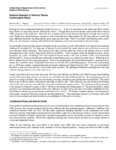
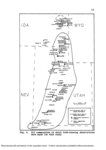
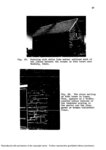
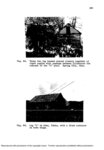
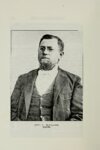
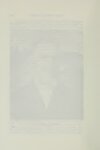
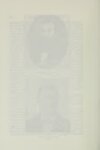
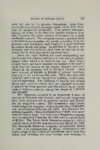
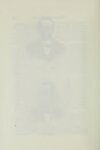
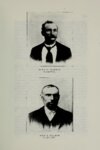
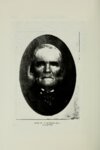
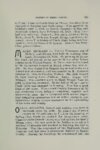
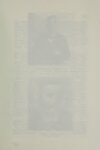
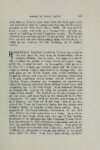
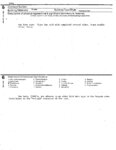
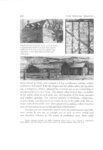
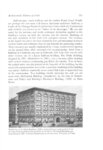
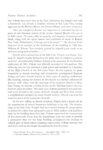
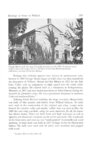
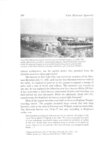
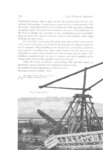
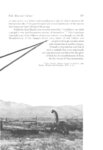
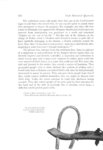
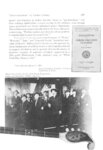
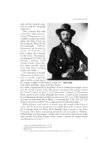
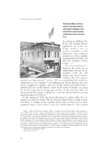
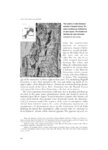
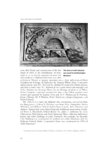
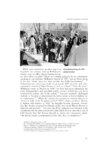
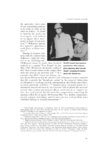
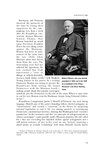
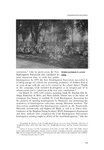
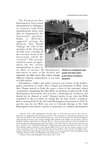
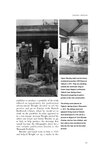
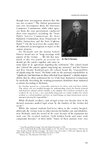
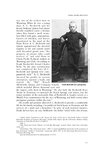
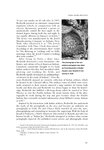
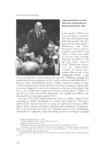
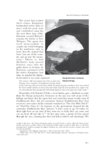
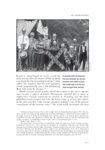
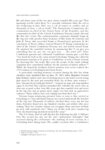
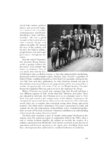
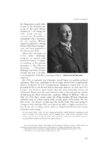
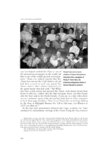
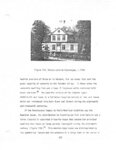
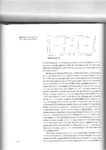
Show UTAH STATE HISTORICAL SOCIETY UTAH HISTORICAL QUARTERLY force at my command and if that will not do, I shall ask for troops. If my resignation was not pending, I would go myself and get those men or they’d get me.”11 Several firsthand accounts of the murders emerged. The first version, as reported by unnamed sources to Pete, the Navajo scout, placed the blame squarely on Hashkéneinii Biye’ and described Slim Man, a second Navajo connected to the murders, as a concerned bystander. A second account, reported by an unnamed Navajo scout, blamed one of the miners for starting a shootout at the campfire. Slim Man himself accused Hashkéneinii Biye’ of the killings, while Hashkéneinii Biye’, in turn, implicated Slim Man. An account offered by Little Mustache defended Hashkéneinii Biye’. The presiding agent at Fort Defiance then had to sift through these versions of the story, with facts and fictions that could only Hashkéneinii Biye’—a central be verified by action on the ground. figure in the Walcott-McNally On Apr il 19, the Navajo scout Pete incident—photographed by returned with a detailed report provided by Charles Kelly, circa 1935–40. eyewitnesses. Near the southeast corner of Navajo Mountain, the powerful headman Hashkéneinii lived with his son, Hashkéneinii Biye’. These men had resided there now for more than two decades, were well-known, and were respected for both the physical and supernatural power they commanded. When Walcott and McNally camped in their territory, the members of this band naturally visited them to find out what had brought these strangers there.12 Man with White Horses (Hastiin Bil88 {igai) appeared first and learned that the white men wanted to trade for corn and meat, which he promised to bring the next morning. When Slim Man (Diné Ts’0s7) and Man with White Horses’s son, a “halfgrown boy,” reached the prospectors’ camp, they joined Hashkéneinii Biye’, 11 Dennis M. Riordan to Commissioner of Indian Affairs, April 19, 1884, Letters Received—Navajo Agency, New Mexico, Record Group 75, National Archives, Washington, D.C. (hereafter cited as Letters Received—Navajo Agency). 12 The following account is based on information found in “Report of Pete,” May 4, 1884, Letters Received—Navajo Agency. 254 |