| OCR Text |
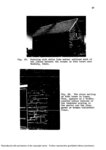
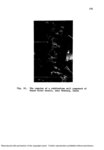
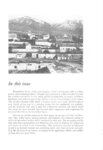
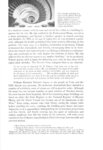
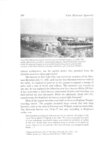
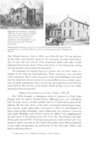
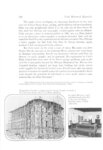
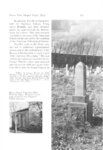
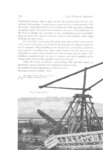
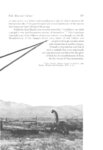
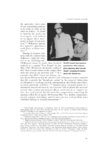
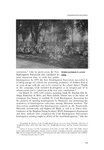
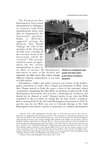
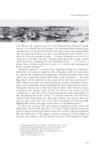
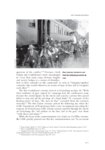
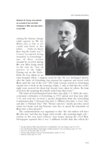
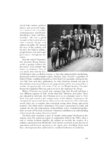
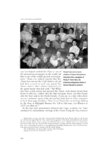
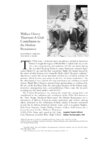
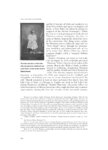
Show FALL 2013 UHQ pp 301-303_UHQ SUMMER 04/pp.194-195 9/16/13 1:26 PM Page 302 IN THIS ISSUE M odernity is a difficult concept, and one that can be defined in a host of ways. Still, during the late 1800s and early 1900s, much of American life had an air of change and modernity about it. Many trends made this the case, including new technologies, widespread reform efforts, the increasing presence of women in public life, and a growing emphasis on leisure, spending, and individual fulfillment. This issue of Utah Historical Quarterly examines, in part, the place of individuals in the “modern” world of the twentieth century. William Glasmann was an exceptional person and yet clearly a part of his time and place. Like other striving men in the American West, he devoted himself to boosting, reforming, and politicking in his chosen city—Ogden, Utah. In various phases of his life, Glasmann speculated in land development near the Great Salt Lake, edited a newspaper with obvious party affiliations, assoCOVER: Bebe Daniels, the film star, photographed in Utah in 1928. UTAH STATE HISTORICAL SOCIETY. IN THIS ISSUE (ABOVE): Automobiles at the Saltair resort, circa 1912. Technological advance- ment, mass commercial amusement, and the visibility of women contributed to the modernity of the early twentieth century. That modern feel was surely a part of life in Utah, as these photographs demonstrate. UTAH STATE HISTORICAL SOCIETY. (ABOVE RIGHT): Local youth who participated in a bathing suit fashion show at the Pantages vaudeville theater. Salt Lake City, June 17, 1918. UTAH STATE HISTORICAL SOCIETY. 302 |