| OCR Text |
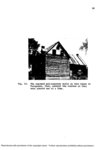
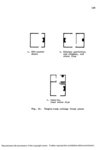
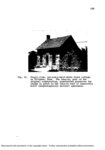
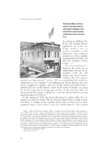
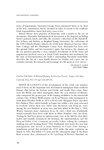
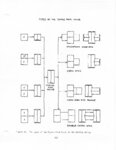
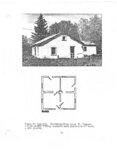
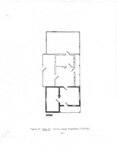
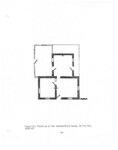
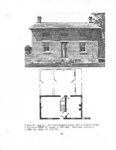
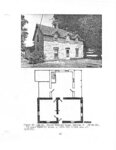
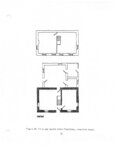
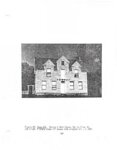
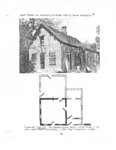
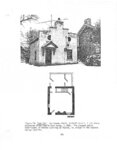
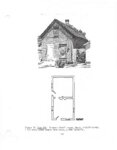
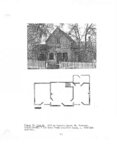
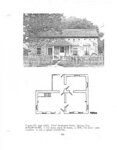
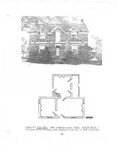
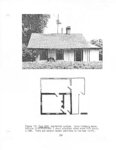
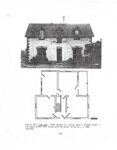
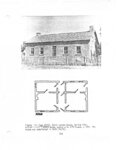
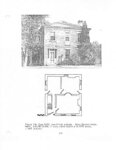
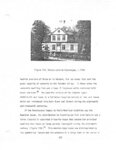
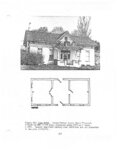
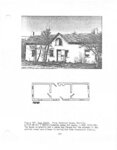
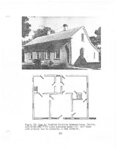
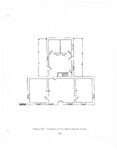
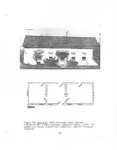
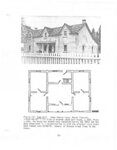
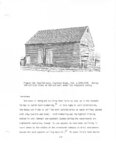
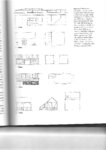
Show European Saints adopted American housing types and American-born Saints found European forms useful as well. The shared geometric repertoire facilitated cross-cultural borrowing and in some cases allowed the creation of what must be considered new and non-traditional houses. An example of the innovative use of the competence is seen is the extended , hall (XZ) form which is (to my knowledge) unique to the Sanpete Valley. The folk housing of this area then defies easy labeling and the historian looking for a neat picture of either architectural retention or assimilation will be disappointed by the material record. Running the length of the spectrum from persistence to innovation, the basic openness of the valley's architectural tradition underscores the complex nature of early Mormon society. Given the number of polygamist families in the valley, one might expect to find a specific set of house types clustered around this peculiar institution. 2 In other parts of Utah there does seem to have been a move toward what might be ca 11 ed an II architecture of polygamy." There are large communal compounds and connected rowhouses that are well suited for acconro'dating a multiple family structure. 3 In the Sanpete /I Valley, however, no such polygamist architecture surfaced and the local response to the problem of housing several families was si~ply to adapt single family dwellings to a new purpose. In some cases, separate households were formed for each wife and then any of the local housing forms could be used (see figures 44 and 68). When cohabitation ·was practiced, several house types proved the most popular. The double cell house was an ideal polygamist dwelling (see figure 86); it divided easily into separate apartments and since the rules for symmetrical piercing stipulated that there be two front doors, each wife, as one 121 |