| OCR Text |
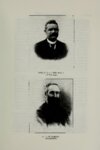
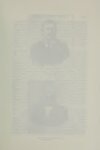
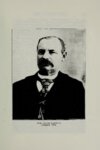
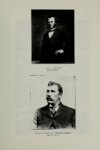
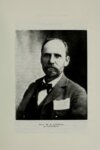
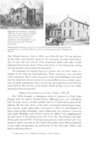
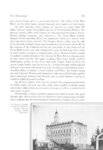
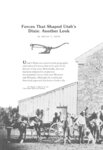
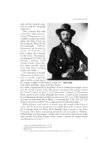
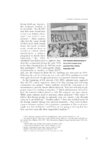
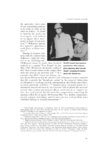
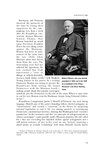
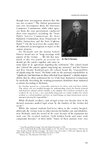
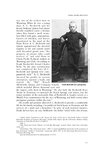
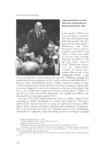
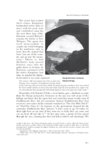
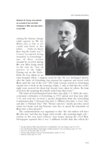
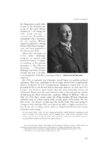
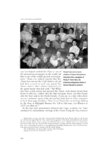
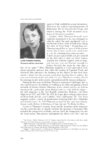
Show though later investigation showed that this was not accurate.21 The federal government sent two investigators from the Interstate Commerce Commission, while other agencies from the state government conducted their own inquiries, including the “State Public Service Commission, the State Industrial Commission, State Department of Public Instruction, and the State Highway Patrol.”22 On the local level, the county sheriff conducted an investigation to report to the county attorney. Dr. Richards and the Jordan School District board met in “long meetings with parents of the victims . . . We felt that inasmuch as this was purely an accident we Dr. Paul S. Richards. should get the parties together and come to some kind of an agreement regarding the settlement.” The school board also “advised the parents against employing any attorneys” and the Denver and Rio Grande Railroad gave the school board the “responsibility of adjudicating the losses.” Richards took on the personal responsibility to “adjudicate lost functions in those who had been injured,” a similar responsibility that he often performed for the Utah State Industrial Commission by medically describing the resulting permanent disabilities from industrial accidents. According to Richards, the families agreed to a reasonable settlement for those who had been killed. This whole case was handled through the understanding which the Board achieved with both the railroad and the families of the students who had been involved in the accident. To me, it was a very remarkable thing that we could conduct the whole accident as a school problem and have no hard feelings, no legal involvement, and no attempt at placing the responsibility.23 While Richards’ recalled a lack of legal action two decades later in his dictated memoirs, unified legal action by the families of the victims did occur.24 While the injured students had been taken to the county hospital, afterwards the victims went to other doctors for further care and rehabilitation. Richards cared for several of the cases because of his reputation for such care. He recalled students “with broken backs and some with compound fractures” of their limbs; “Some of these patients were very 21 “Fog Obscured Rail Crossing,” Salt Lake Tribune, December 2, 1938. “New Crash Death Boosts Bus-Train Fatalities to 23,” The Deseret News, December 2, 1938. See also “State Board to Probe All Bus Crossings,” The Deseret News, December 2, 1938; and “Agencies Join In Probe of Bus Disaster,” The Salt Lake Tribune, December 3, 1938. 23 Barton, ed., “The Memoirs of Dr. Paul,” 73-74. 22 165 AUTHOR BURGON’S CROSSING |