| OCR Text |
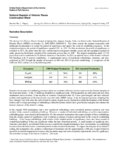
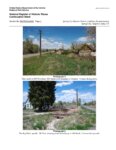
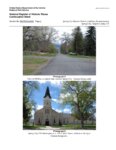
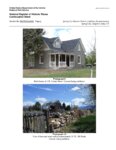
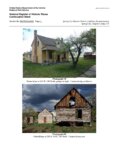
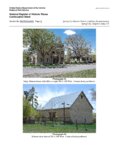
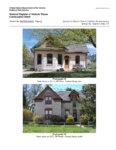
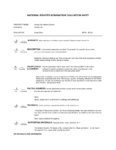
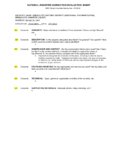
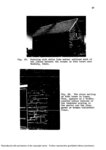
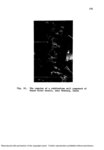
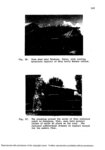
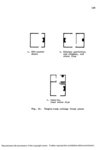
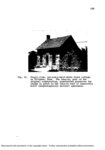
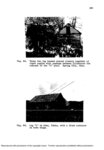
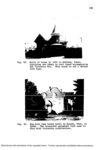
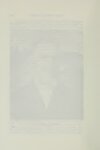
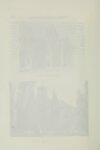
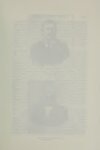
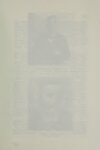
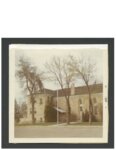
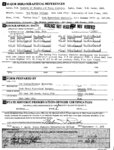
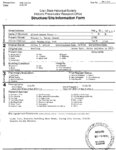
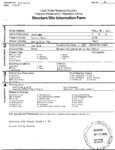
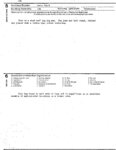
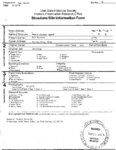
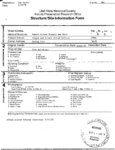
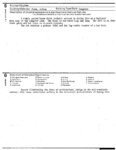
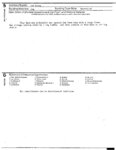
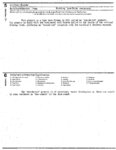
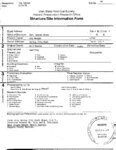
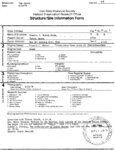
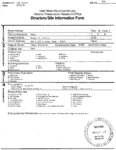
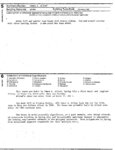
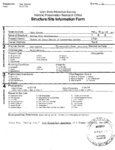
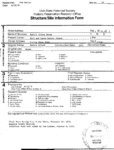
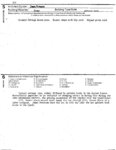
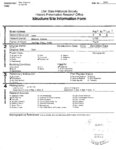
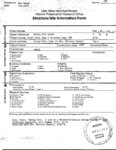
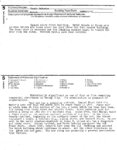
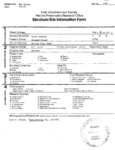
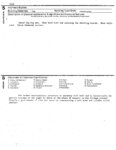
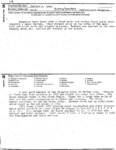
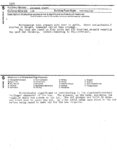
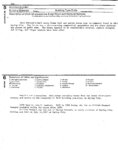
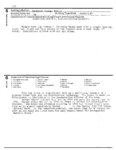
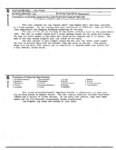
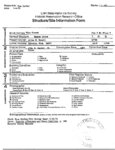
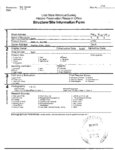
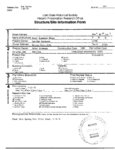
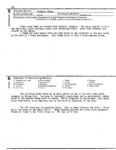
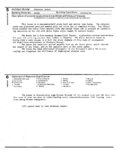
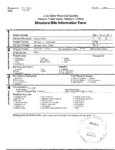
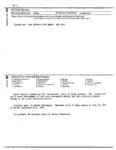
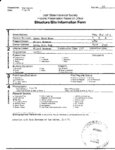
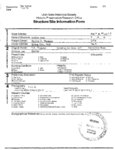
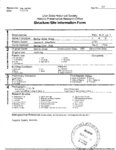
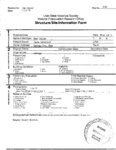
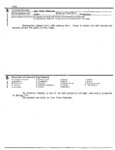
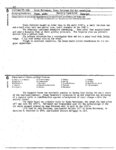
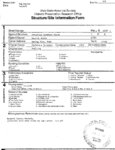
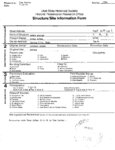
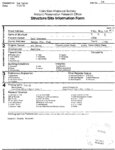
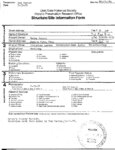
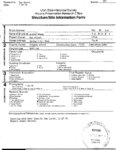
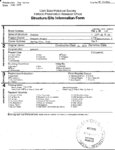
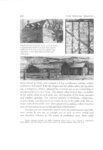
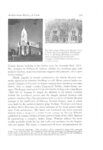
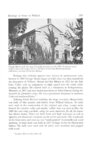
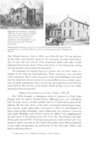
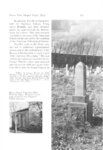
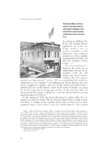
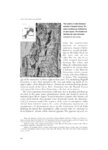
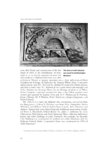
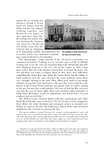
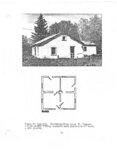
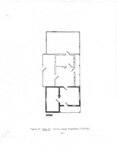
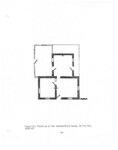
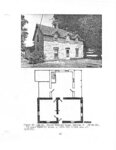
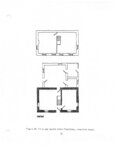
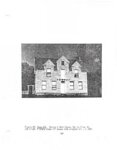
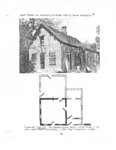
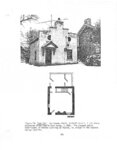
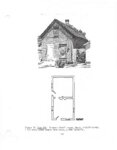
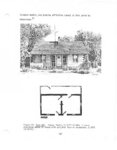
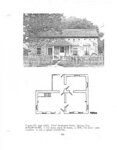
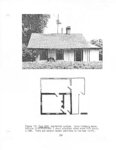
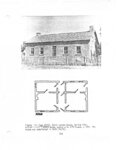
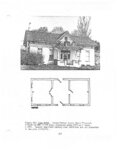
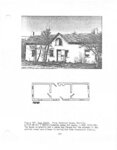
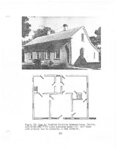
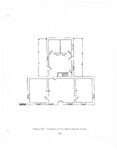
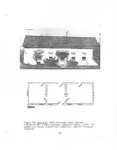
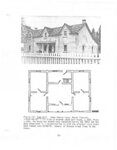
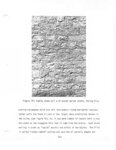
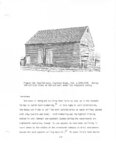
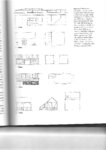
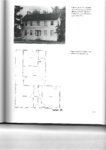
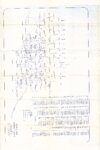
Show „, CC H £) Architect/Builder: Building Materials: ™°*e Building Type/Style: vernacular • ——————•——————————————————————————————————————————————•-————'———————•-———————————————————————:——————————————— Description of physical appearance & significant architectural features: (Include additions, alterations, ancillary structures, and landscaping if applicable) I . ... ; a * This house is built in two sections, the north part being the oldest and consisting < of a one-room with lean-to arrangement. This section has purlin rafter system and facade is two opening with a door and window. The south part, also one-room, was added later and is taller by a few feet and the "vertical11 windows attest to the later date. Rafters here size standard. The rear of the new section has been plastered and marked off to simulate brick. R ^ O </> X Statement of Historical Significance: D D n D D Aboriginal Americans Agriculture Architecture • The Arts Commerce D D D D D Communication Conservation Education Exploration/Settlement Industry D D D D D Military Mining Minority Groups Political Recreation D D D D Religion Science Socio-Humanitarian Transportation While in a state of disrepair, this small adobe house is a good example of a smaller nineteenth-century Spring City residence. Such a house is significant if a demo cratic record of the past is to be achieved. lot first claimed in 1869 by Joseph T. Ellis, who receives his mayor's deed on December 1,1876. Ellis keeps the property until 1880 when Jacob Johnsen buys it for $50. Joh*nsen sells to Jens Andersen for $100 in 1882, sold to John D. Rees, in 1889 for $150, to Christian Christensen in 1890 for $175. : Local tradition says that Julia Hyde, one of Apostle Orson Hyde's wives, lived here but records of land ownership do not substantiate this connection. The exact builders and building dates for the sections of this house connot yet be determined. |