| OCR Text |
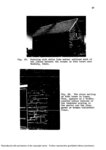
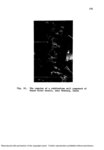
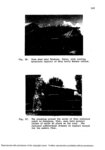
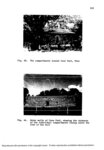
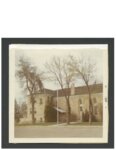
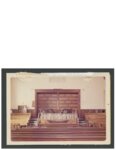
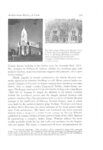
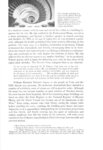
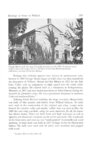
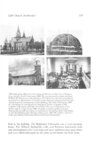
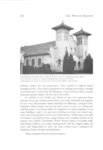
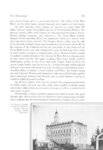
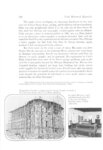
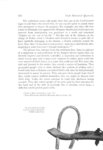
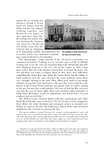
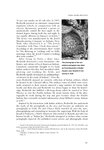
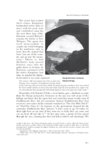
Show 264 Utah Historical Quarterly a livery stable, a creamery, and a combination saloon, pool hall, and confectionery. Several hotels also operated intermittently until the 1940s.10 Shortly after 1900 Spring City began to suffer the plight of many rural communities, experiencing an outmigration and subsequent loss of population. The outmigration accelerated in the 1930s and continued until about 1960 when the population stabilized at just over four hundred fifty persons. 11 Renewed growth in traditional areas seems unlikely in the near future. T h e lack of irrigation water continues as a primary factor retarding the expansion of agriculture, and a gradual cut in grazing permits for cattle and sheep serves to make expansion of this endeavor unfeasible. II How then is Spring City's history reflected in the town as it appears today? What clues remain concerning the personalities who fashioned this community? What structures, if any, merit preservation? T h e LDS meetinghouse, the most visually prominent of the town's structures, was built of native oolite limestone quarried in the hills just west of Spring City. This building is truly one of the masterpieces of Mormon architecture. Some say construction of the chapel began in 1902; however, others claim the building, designed by J.R. Watkins, was begun in the 1880s. The Scandinavian stonemasons Bohlin, Carlson, Sorensen, and Larsen were those primarily responsible for the masonry. 12 The church was dedicated March 15, 1914, by Anthon H. Lund, counselor to Joseph F. Smith. T h e building follows a Gothic theme, both inside and out. All of the major windows are Gothic arched and recessed from the main face, giving a feeling of depth. T h e chapel is T-shaped with a square entrance tower topped by an octagonal spire. The interior consists of an auditorium with pulpit at the west. T o the rear of the pulpit, hand-grained sliding doors open into the annex that was not envisioned in the original plans but added before the structure's completion. From the original exposed flooring to the vaulted and beamed ceiling, the interior is replete with beautifully detailed woodworking. The pulpit and the handmade rostrum chairs for the ward leadership are skillfully carved. The pew ends are decoratively milled as is the sacrament table. A most impressive feature 10 U.S., National Archives, Census Schedules for the years 1860-1970, and interview with James T. and Ada R. Ellis, February 27, 1974. 11 U.S., Census Schedules. 12 Athene Osborne, "Spring City Ward History," manuscript in her possession, Spring City; Baxter interview and interview with Lee Allred, February 21, 1974. |