| OCR Text |
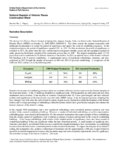
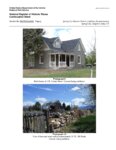
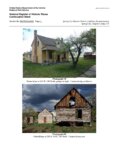
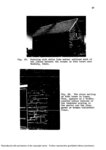
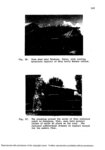
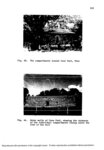
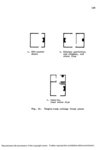
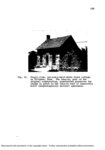
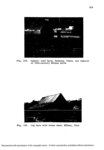
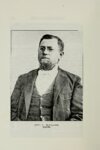
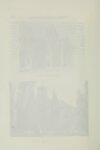
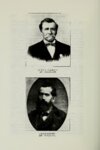
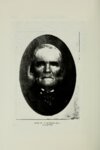
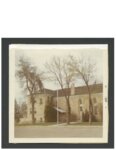
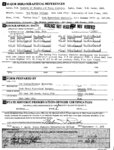
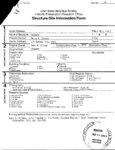
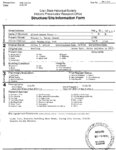
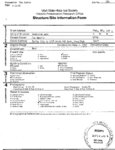
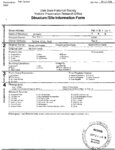
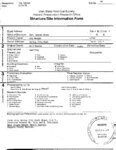
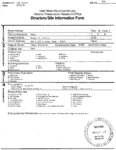
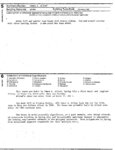
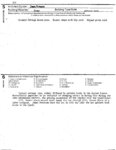
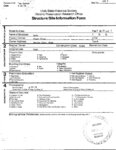
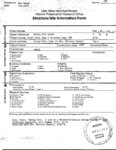
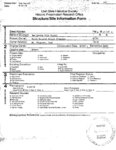
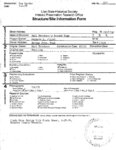
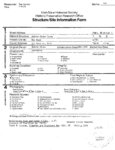
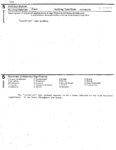
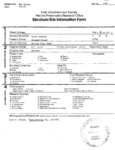
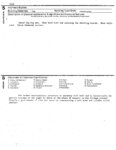
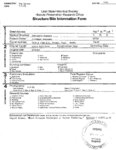
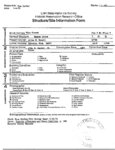
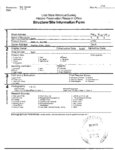
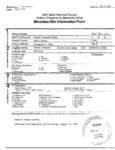
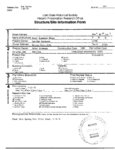
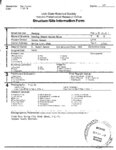
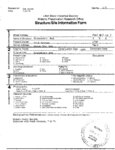
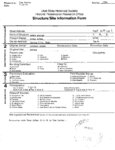
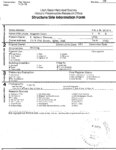
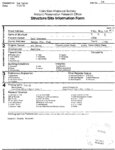
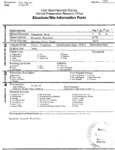
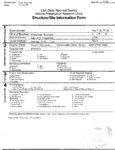
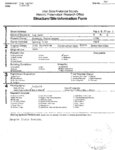
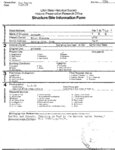
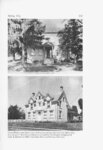
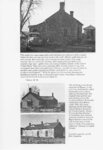
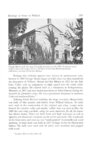
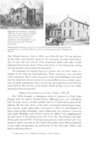
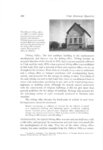
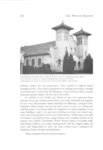
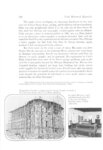
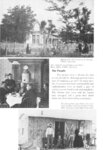
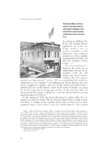
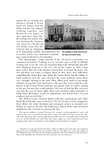
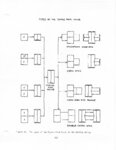
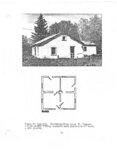
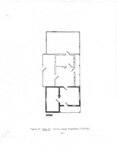
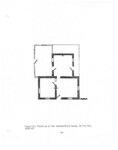
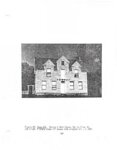
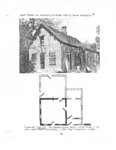
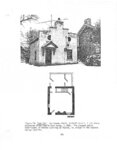
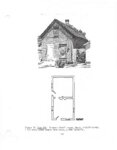
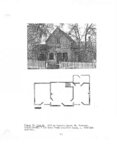
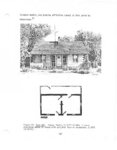
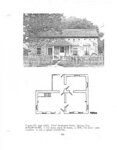
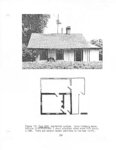
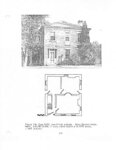
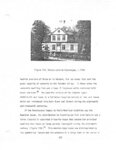
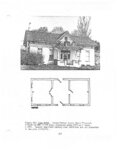
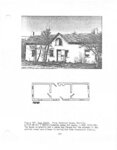
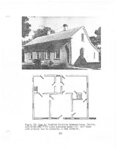
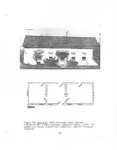
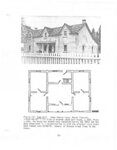
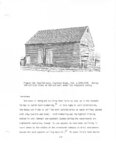
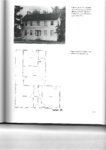
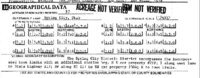
Show ujCC ? y Q § Architect/Builder: James A, Allred Building Materials: adobe Building Type/Style: vernacular ———————————————————————————————:———————————-—'————-——————:———i———————————————•———————————————————————— Description of physical appearance & significant architectural features: (Include additions, alterations, ancillary structures, and landscaping if applicable) * '•-.•• .';-".'•':•":-' '-.."• Adobe hall and parlor type house with stucco siding, with three opening facade. A new porch has been added. -' One-and-a-half stories Statement of Historical Significance: > O D Aboriginal Americans D Agriculture . Br Architecture D Communication D Conservation D Education D Military D Mining D Minority Groups D Religion D Science D Socio-Humanitarian {/) Z D The Arts D Exploration/Settlement D Political D Transportation D Commerce D Industry D Recreation This house was built by James A. Allred, Spring City's first mayor and longtime bishop, to house his third wife, Mary Ann Pollard. Allred's other two wives lived on block 17, lOt 2. lot deed 1870 to Stephen Parkis, 1881 James A. Allred buys the lot for $130; then to Mary Ann Pollard Allred in 1886. The house was probably built by Allred soon after the 1881 purchase date. The house is architecturally significant, as a good example, even though altered, of vernacular, building in Spring City and historically important because it represents the housing requirements inherent in the polygamy situation. Most polygamists in Spring City maintained separate households for their multiple wives. |