| OCR Text |
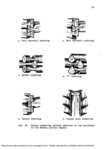
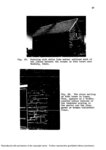
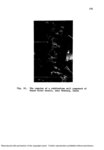
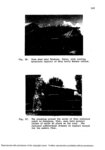
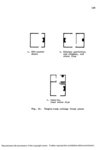
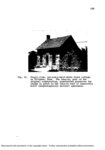
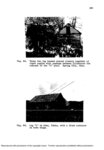
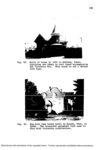
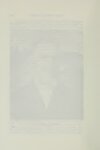
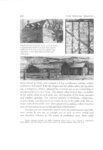
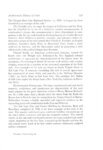
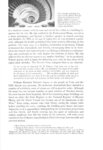
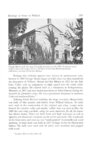
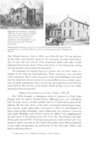
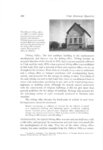
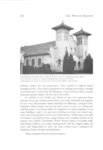
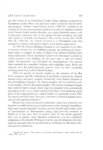
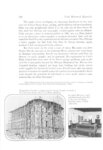
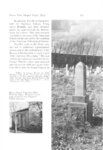
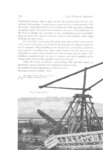
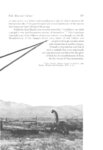
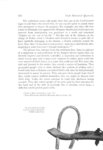
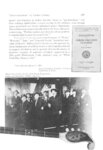
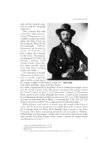
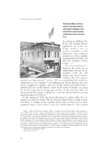
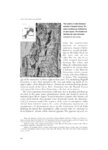
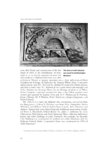
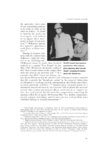
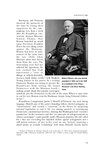
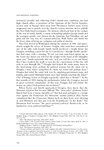
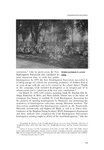
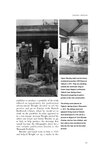
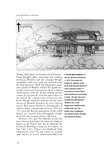
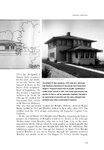
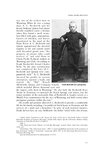
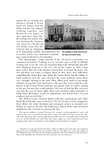
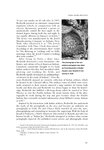
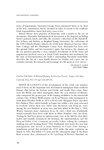
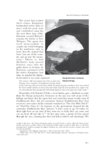
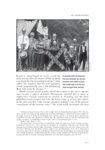
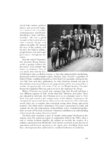
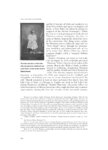
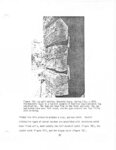
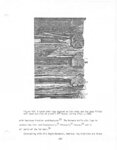
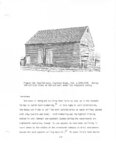
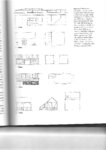
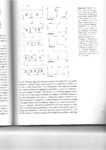
Show 136 Utah Historical Quarterly a Mormon convert from New York express the surprise he experienced while strolling through one of the traditional cemeteries in U t a h County. H e found it very curious that nineteenth-century Mormons h a d openly displayed "their tokens" 11 in a place open to public scrutiny. This is prima facie evidence that Mormons, at one time at least, institutionalized their burial symbols; that is, they were an important part of the religious life of the community. Like the winged death's-head in Puritan New England burial, wdiich represented the flight of the spirit from the soul, the handclasp motif among Mormons is a symbol of transformation—of transcendence. 14 By "tokens" he meant simply the handclasp motifs. In the Mormon temple ceremony the handclasp is extremely important, and is, in various configurations, referred to as "tokens." What my informant was doing, of course, was judging a nineteenth-century burial motif through twentieth-century eyes, which is precisely what was done in Spring City in the Old Rock Schoolhouse affair. Fig. 2. Marker and accompanying footstone in Fairview cemetery. All photographs are by author. Fig. 3. Robert Briggs's grave with headstone and footstone. Note burial mound in background. |