| OCR Text |
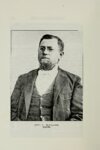
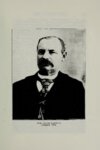
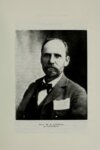
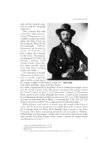
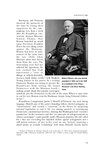
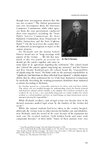
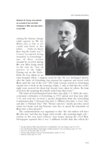
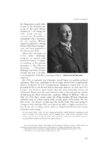
Show FALL 2013 UHQ pp 304-385_UHQ Stories/pp.4-68 9/16/13 1:25 PM Page 305 WILLIAM GLASMANN and suffering in the territory for the previous forty years. As the 1890s wore on, the Republican Party in Utah attracted more members, both Mormon and non-Mormon, but the result was a fractured party. Ogden had become a liberal city because of the railroad and the accompanying influx of non-Mormons. The two principal factions included the liberal non-Mormon Republicans of northern Utah and more conservative Mormon Republicans. Some of these had migrated from the Democratic Party in Salt Lake and Utah counties; the Democratic Party had a strong loyal following among Mormons, stretching back to the time of Stephen A. Douglas in Nauvoo. For the next twenty years, various subgroups would materialize and dissolve in the party, including the silver Republicans in the 1896 election, Republicans competing between the Salt Lake County and Weber County factions over state party nominations, and the “Federal bunch,” which Senator Reed Smoot dominated through patronage jobs. The conflicts mostly ended in 1912 with the desertion of the progressive Republicans to the “Bull Moose” Party, leaving the more conservative Republicans under Smoot to win Utah for Taft. William “Bill” Glasmann first appeared in Ogden in January 1893 with his appointment as the general manager of the Standard Corporation. His story and his perspective as a non-Mormon, progressive Republican is valuable because it allows us to contrast the struggles of a progressive politician against the more conservative majority Republicans of his era. He fought with them and formed alliances with them. At first, he was an ally of Frank Cannon during their time together at the Standard. They became bitter enemies, however, after the 1896 election, again evidencing the factions within the Republican Party. Many schools of thought exist about progressivism in the early twentieth century, and defining a “progressive” is especially problematic for historians; further, progressivism of this era should not be confused with the liberal agenda of the twenty-first century. Likewise, Glasmann’s individual brand of progressivism was complicated. He did not embrace the radical reforms of Upton Sinclair or Lincoln Steffens. He was a non-Mormon who lived in a city populated with many other non-Mormons. Yet he got along well with Latter-day Saints; he had to. Glasmann was a classic booster-speculatornewspaperman who championed the city of Ogden and who did everything in his power to improve the city, stamp out corruption, and, through his newspaper, fight misinformation. He had subscribed to a liberal faction of the Republican Party since long before he came to Utah. He supported the free silver movement and threw himself behind William Jennings Bryan in the 1896 presidential election, but was absolutely enamored with Theodore Roosevelt. In spite of his progressive attitude toward Ogden City, Glasmann was a fiscal conservative who balanced the budget in each of his three terms as mayor. He might not have been considered progressive by the standards of Colorado or Washington, but he comfortably fit the 305 |