| OCR Text |
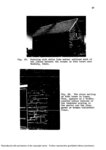
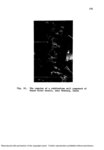
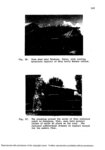
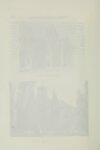
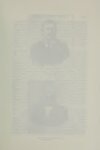
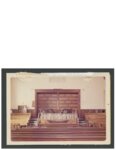
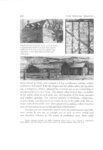
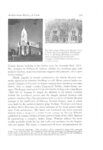
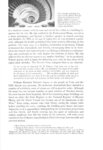
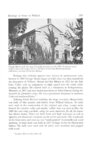
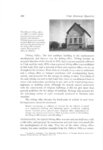
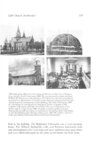
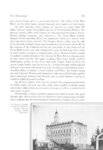
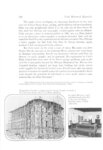
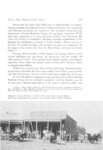
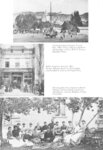
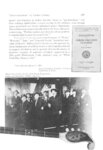
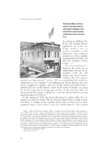
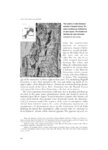
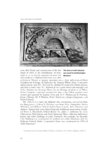
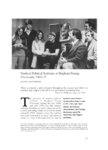
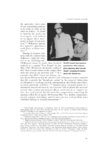
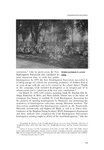
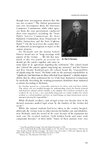
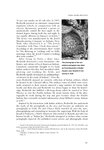
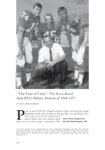
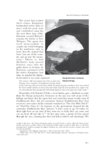
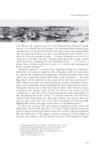
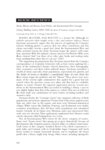
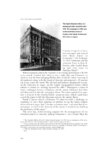
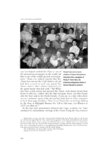
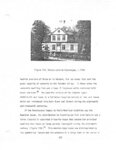
Show NATIONAL PARK SERVICE Buchanan, Popular Sovereignty, and the Mormons: The Election of 1856 BY RONALD W. WALKER D uring the last week of February 1857, with clouds dark and lowering, the citizens of Lancaster, The Musical Fund Hall in Pennsylvania turned out to say Philadelphia where the goodbye to their favor ite son, James Buchanan, who was on his way to Republican Party met in 1856 to become the fifteenth president of the United nominate John C. Fremont as its States.1 Buchanan had been elected after a presidential candidate and adopt tumultuous contest, which had more than its a platform calling for the abolition share of moral and political theater. 2 of the “twin relics of barbarism” Buchanan had won on a platform of “popular —slavery and polygamy. Ronald W. Walker is a professional historian living in Salt Lake City who has published widely on Utah and Mormon history. 1 George Ticknor Curtis, Life of James Buchanan: Fifteenth President of the United States, 2 vols. (New York: Harper & Brothers, 1883), 2:187; Philip Shriver Klein, President James Buchanan: A Biography (University Park: The Pennsylvania State University Press, 1962), 270-71. 2 Kenneth M. Stampp, America in 1857: A Nation on the Brink (New York and Oxford: Oxford University Press, 1990), 31. 108 |