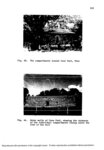
| OCR Text |
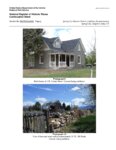
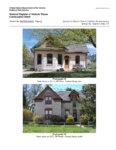
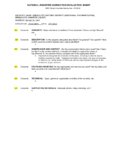
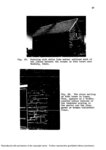
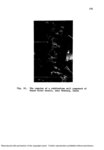
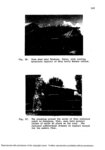
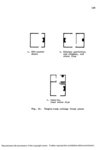
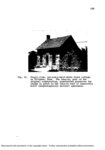
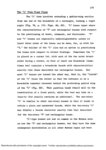
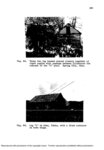
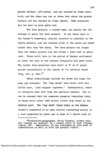
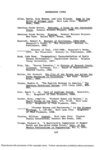
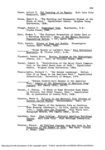
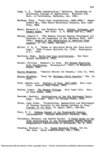
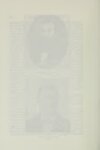
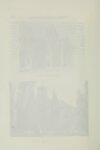
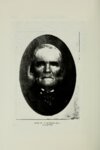
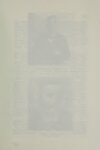
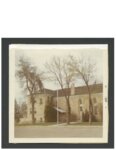
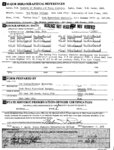
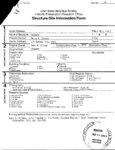
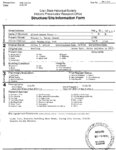
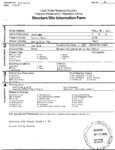
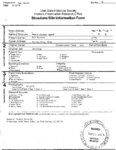
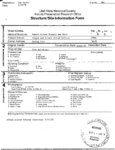
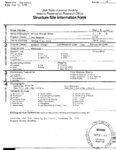
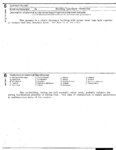
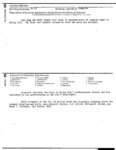
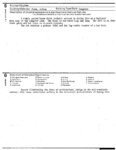
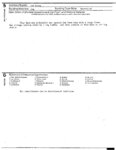
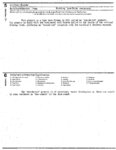
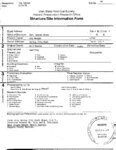
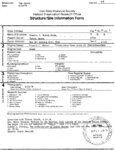
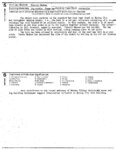
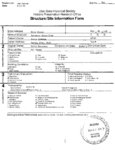
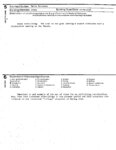
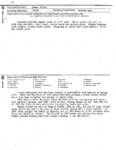
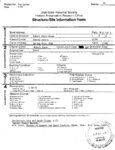
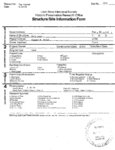
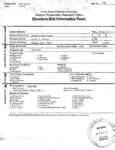
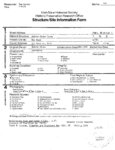
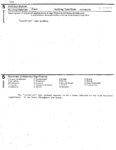
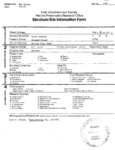
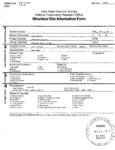
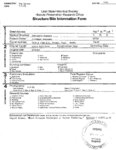
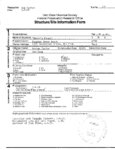
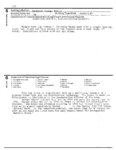
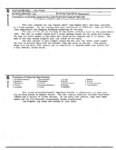
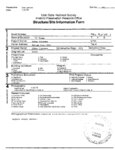
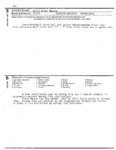
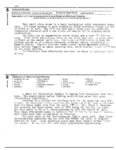
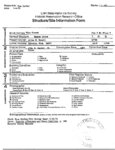
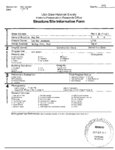
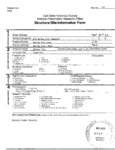
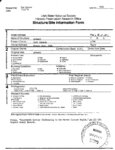
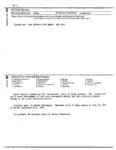
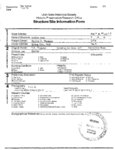
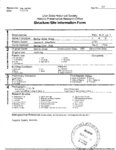
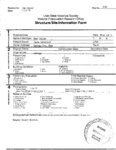
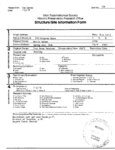
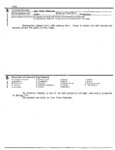
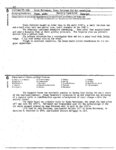
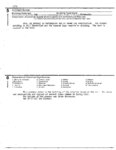
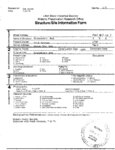
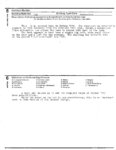
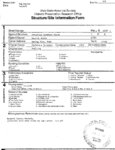
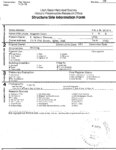
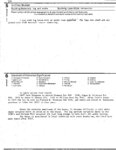
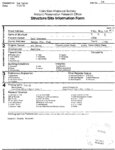
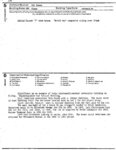
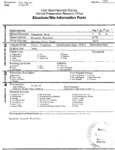
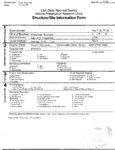
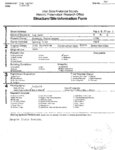
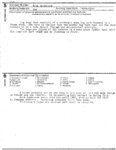
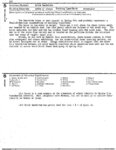
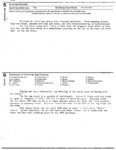
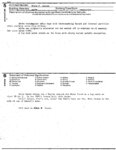
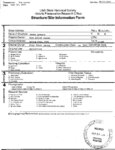
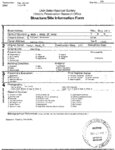
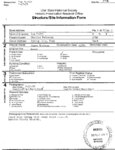
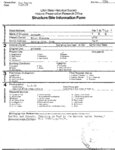
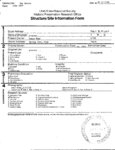
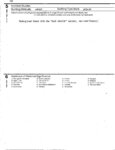
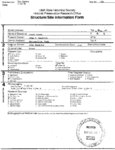
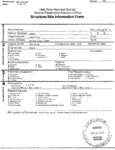
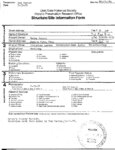
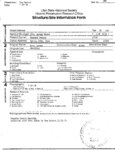
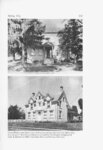
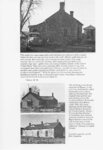
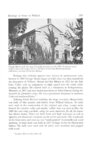
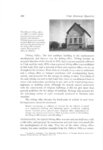
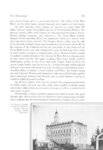
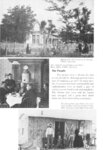
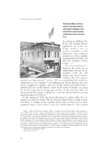
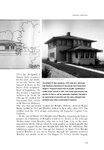
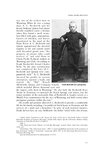
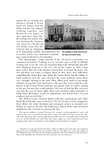
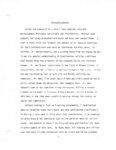
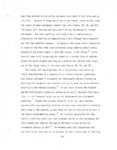
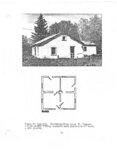
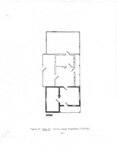
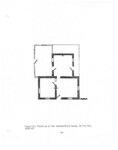
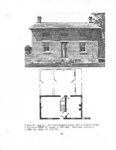
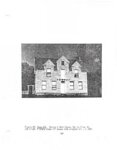
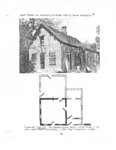
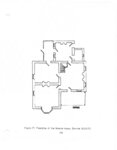
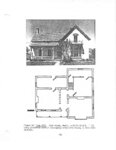
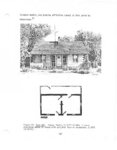
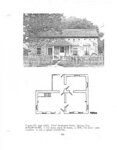
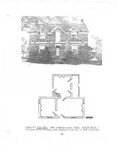
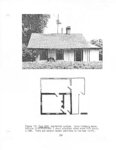
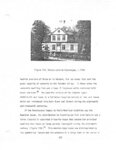
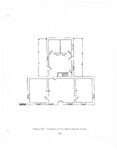
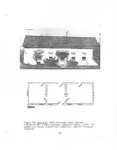
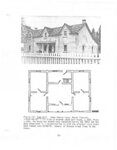
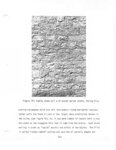
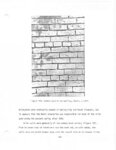
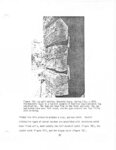
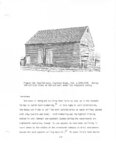
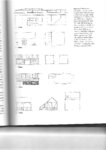
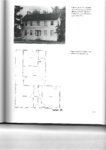
Show jjj j2 [jj < Architect/Builder: Peter Sorensen Building Materials: adnhft? ,tlirrn Building Type/Style: Wrnarn1arj Description of physical appearance & significant architectural features: (Include additions, alterations, ancillary structures, and landscaping if applicable) According to older residents this was an old adobe house, Judging from the win dow placement of the structure, a small hall and parlor adobe house, which. was extensively remodeled in the 1920 's to resemble more popular styles which were coming into Spring City via pattern books and builders manuals^. p^;,^ ^ lfe ifjT*Mn*rs While it is impossible *~ h— -r HT^yiry T-T™*^ rr hrrr " -* ? 1 * -1- 1 rl- : , certainly the remodelers had a clear idea of what the^^wanted the house to look like for the house today closely follows pattern book examples for a pyramid roof cottage. The adobe house is square in plan and has a hip roof. The adobe is plastered and marked about half-way up the wall to look like brick. Statement of Historical Significance: > O yj I D Aboriginal Americans a Agriculture if Architecture Q The Arts D Commerce D O D a -D Communication Conservation Education Exploration/Settlement Industry D Q D O O Military Mining Minority Groups Political Recreation a D D 0 Religion Science Socio-Humanitarian Transportation Peter Sorenson emigrated from Denmark. He had a large family of boys and on arrival in Spring City the father and the boys started clearing the land which they had been alloted. James A. Allred, who was Bishop at the time, came to the lot with a Mr. King after the Sorens ens had cleared the land and Allred gave the improved lot to this Mr. King. Upon taking the land Allred said to Sorensen, "Youv'e got strong boys, You can clear yourself another piece. 1 ' Sorensen and his sons never forgot the incident and remained hostile to the church until late in life (family tradition related by Vera Sorensen). Peter Sorensen was active throughout his life and was especially noted for his dancing. At ninety he would vigorously participate in dances and especially liked the clog dance. Patent deed in 1870 to Peter Sorensen. |