| OCR Text |
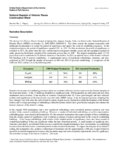
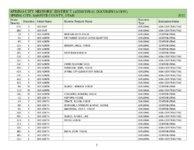
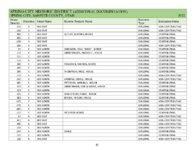
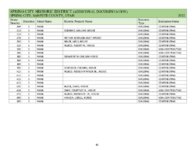
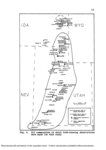
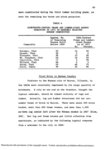
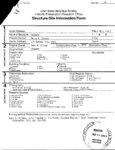
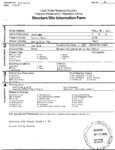
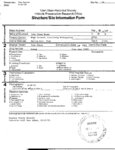
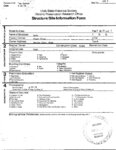
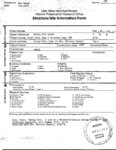
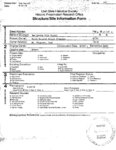
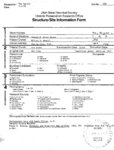
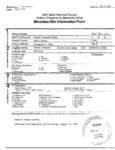
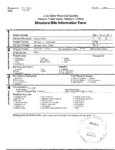
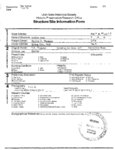
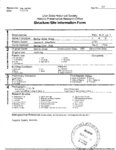
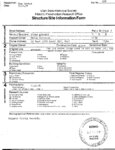
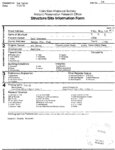
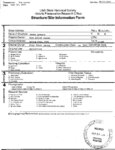
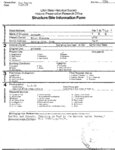
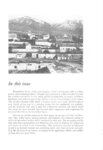
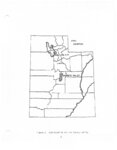
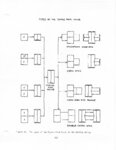
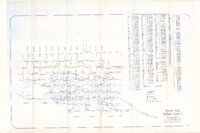
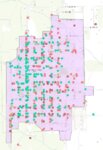
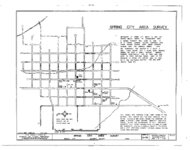
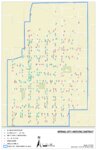
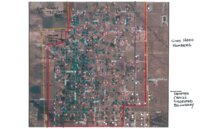
Show Northern Utah and the Sanpete Valley. In the end, the decision to study the Sanpete Valley was made because it was smaller and more isolated than Cache Valley, it was settled earlier and had more houses which appeared to date from the late 1850s and 1860s, and, at least initially, I could do survey work here for the Historical Soc i y to help defray the cost of the project. Manti to begin the study. In May of 1978, my wife Ann and I moved to While my initial tenure with the Historical Society proved shortlived , Ann got a teaching position at Snow College in nearby Ephraim that helped support us while the the fieldwork was in progress. The first step in the study involved completely surveying the original platted sections of each of the valley's ten towns. The towns were designed from grid-iron plans and were divided into equally sized residential blocks. Surveying is always tedious work, but in Mormon Utah it is greatly facilitated by the closeness and accessibility of the houses. Conducted during the summer and fall of 1978, the survey was intended to provide a listing of all standing structures so that informed decisions could later be made about which ones to study further in detail. In all, 3088 buildings were counted of which 836 could be dated to the pre-1890 period. These 836 buildings were organized by height, material, type (drawn from Henry Glassie's Pattern in the Material Folk Culture of the Eastern United States), and chimney placement and a 5% random sample of 42 houses was selected for documentation to insure that the study would be representative of the surveyed total. An additional 200 other structures were eventually documented, bringing the total of researched buildings to 242. The complete survey is on file with the Preservation Research Office of the 23 |