| OCR Text |
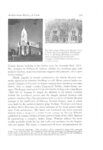
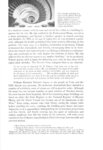
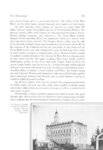
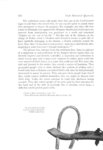
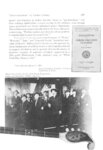
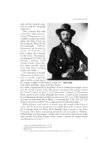
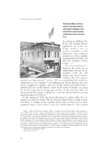
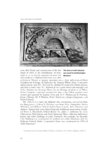
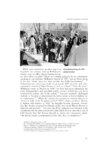
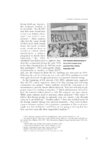
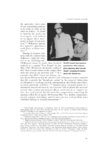
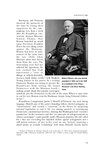
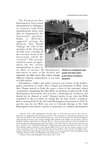
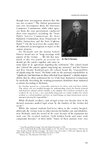
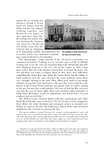
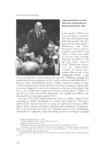
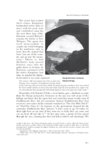
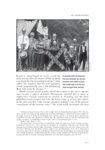
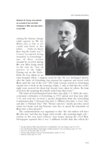
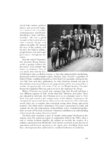
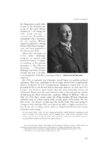
Show or sometimes “popular democracy” or “squatter democracy.” These phrases were not new. They had been around at least since the 1600s when the English Puritans used them against the Stuart kings. The American colonists had used them, too, when fighting the crownappointed officers before and during the American revolution.10 The idea of popular sovereignty lay at the root of the famed Northwest Ordinance of 1787 when America promised self-government and eventual statehood to the settlers living in the western lands of the new republic. But the Ordinance, James Buchanan, elected presidespite its good intentions, posed problems. It dent of the United States in 1856. required a step-by-step process that might require many years to complete, during which time, according to one historian, “the rights of self-government that most white males elsewhere took for granted,” including the right to elect leaders and make local laws, were withheld.11 During this awkward stage, territorial governments were “colonial” in the sense that outsiders were generally appointed by a distant central government to hold local executive and judicial offices. Selfgovernment was postponed. Douglas wanted to end this situation while at the same time he was making a series of political calculations. With people in the territories exercising their “popular sovereignty” to decide the slave question for themselves, he hoped to temper the South’s rising spirit of secession and bring peace to the nation. Along the way, the South might pick up a few new states friendly to its cause. Of course, personal ambition was a factor, too. If his policies were a success, he might be that much closer to taking up quarters at the Executive Mansion. His first step was some language he inserted into the omnibus Compromise of 1850. Four years later he got the Nebraska-Kansas Act through Congress, which promised these territories the right to decide whether slavery should exist within their boundaries. When the Democratic Party met for its national convention in Cincinnati during the summer of 1856, delegates made “popular sovereignty” the centerpiece of their platform. They then turned to selecting a nominee. The leading candidates were incumbent president Franklin Pierce, Stephen Douglas, and James Buchanan. On the sixteenth ballot, the convention 10 Julienne L. Wood, “Popular Sovereignty,” in Dictionary of American History, 415-16, ed. Stanley I. Kutler, et. al., vol. 6 (New York: Charles Scribner’s Sons and Thomson Gale, 2003). 11 Richard White, It’s Your Misfortune and None of My Own: A History of the American West (Norman: University of Oklahoma Press, 1991), 155. 111 LIBRARY OF CONGRESS ELECTION OF 1856 |