| OCR Text |
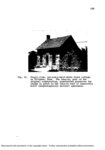
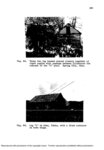
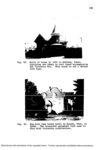
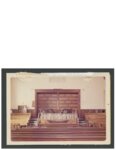
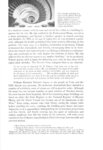
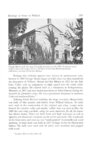
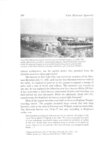
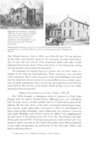
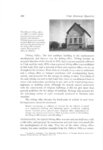
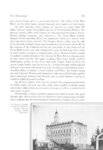
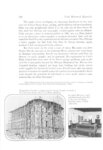
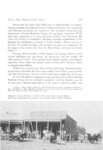
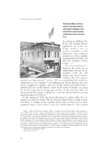
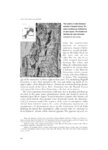
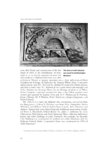
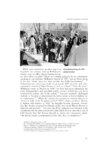
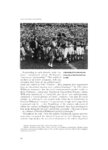
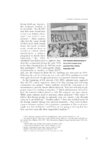
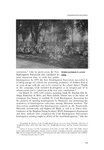
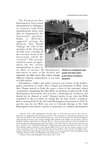
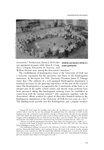
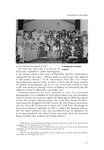
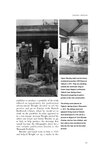
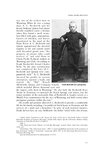
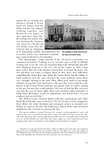
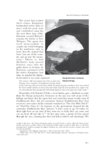
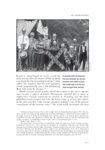
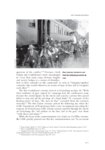
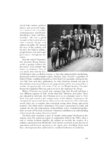
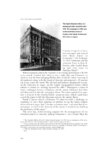
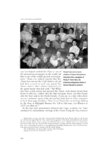
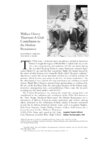
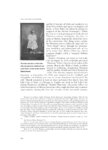
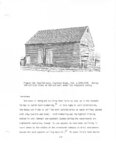
Show IN THIS ISSUE I t could be argued that the four most important presidential elections of the nineteenth century were the 1800 election of Thomas Jefferson that brought the Revolution of 1800 and its transfer of authority from the Federalists to the Jeffersonian Republicans; the 1828 Election of Andrew Jackson that ushered in the era of Jacksonian Democracy and the “Common Man;” the 1860 election of Abraham Lincoln that brought the Southern Secession and Civil War; and its precursor the election of 1856 that witnessed the birth of the Republican Party, the deepening conflict over slavery, and raised again the question of federal authority versus local rights and prerogatives. The platforms were clear. For Democrats the idea of popular sovereignty was the solution for the slavery question. Territories, not the federal government, would have the right to allow or not allow slavery. For the newly created Republican Party, the ultimate goal was to abolish not only slavery, but its twin relic of barbarism—polygamy. Mormon Utah favored the Democratic platform. The Territory had been created as part of the Compromise of 1850 which gave both Utah and New Mexico the choice about slavery under the canons of popular sovereignty. Furthermore the Democratic platform directed that territories could make decisions about all their “domestic institutions.” Was polygamy a “domestic institution” exempt from federal interference under the popular sovereignty idea? Our first article in this issue analyzes the question with interesting and surprising insights. COVER: Students and teachers in front of the Molen, Emery County School. UTAH STATE HISTORICAL SOCIETY. IN THIS ISSUE: A children’s playhouse in the Forest School, 900 East 1200 South, in Salt Lake City. UTAH STATE HISTORICAL SOCIETY. 106 |