| OCR Text |
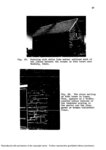
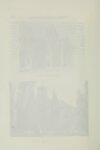
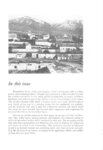
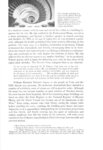
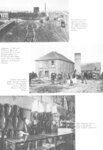
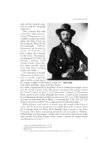
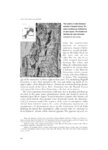
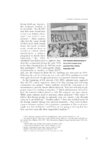
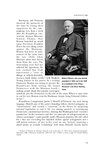
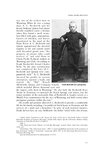
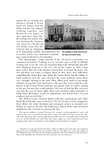
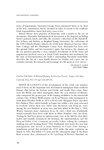
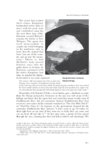
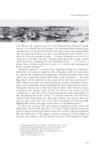
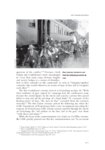
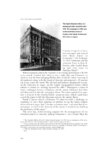
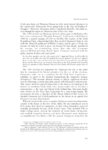
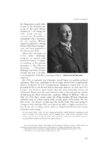
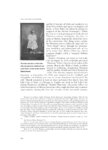
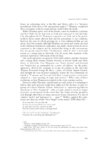
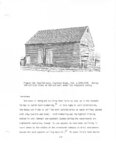
Show uTAH STATE HISTORICAL SOCIETy WINTER 2013 UHQ pp 4-90_UHQ Stories/pp.4-68 12/5/12 9:38 AM Page 24 The men who accompanied Powell on his Second Powell expedition, boats second expedition—none of whom was over in Marble Canyon, 1872. the age of thirty-five—returned east to lives of accomplishment far from the desert country of the Colorado Plateau. Only young Dellenbaugh—not yet twenty at the conclusion of the second voyage—stayed in close contact with the West. For sixty years after the second expedition, Dellenbaugh continued to correspond with people in Utah; he had been profoundly moved by what he had seen and experienced during his twenty months with Powell’s men in the canyon country. In compiling the account of his explorations, Powell conflated the original journey of 1869 with the second expedition of the 1870s.102 Notably, he was silent about his expedition’s repeated interactions with, and reliance on, figures who had a part in the Mountain Meadows Massacre. Lost in the earliest telling of the story were the firsthand accounts of contact and reciprocity over a period of four years between the youthful adventurers from the East and the seasoned Mormon frontiersmen of the West, some of whom bore blame for the massacre of Arkansas emigrants in 1857. 102 J. W. Powell, Exploration of the Colorado River of the West and Its Tributaries, Explored in 1869, 1870, 1871, and 1872 (Washington, D.C.: Government Printing Office, 1875). Goetzmann labels this a “literary strategy” that “did extreme violence to history, obscuring not only some of his [Powell’s] own achievements but also those of the able men who served under him on his second expedition.” The second expedition, he noted, “produced the more lasting scientific results.” Goetzmann, foreword to Dellenbaugh, Canyon Voyage (1991), xviii. 24 |