| OCR Text |
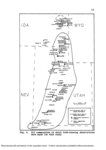
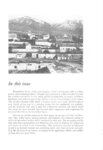
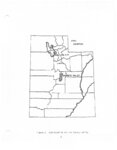
Show to go through on the way to somewhere else. For the Mormons, however, their minds fresh with bitter memories of persecution and the martyrdom of their prophet, Joseph Smith, the Great Basin offered the one thing that they most needed--isolation. Here was a place where they could escape the hatred and intolerance of the Gentile world, a place where the seeds of Zion could be planted in peace. 1 Even as the first Saints entered the Salt Lake Valley in 1847, a program for consolidating this dearly-bought freedom was being set into motion. The building of Zion would be accomplished through a combined policy of self-sufficiency and land occupation. By promoting home industry, cooperation, and abstinence, the Saints could keep interaction with the corrupt outside world to a minimum. By physically occupjing as much of the Great Basin as possible through an organized system of colonization, Mormon hegemony in the area could be insured. Gentiles would be prevented from taking up land on or within the borders of Zion and once again thwarting the Saints in their Kingdom Building efforts. 2 It was thus, as one part of a sweeping plan for the building of a Great Basin Kingdom, that a small party of Saints was dispatched from Salt Lake City in the fall of 1849, just two years after the founding of that city, to occupy and settle the Sanpete Valley in central Utah. The purpose of this chapter is to provide an historical overview of the Sanpete Valley. What kind of land was it, who were the people who came here, and what kind of communities did they build? These are questions which demand attention, not so much because they can provide a 11 setting 11 for the study that follows, but because they are integral to the study itself. In dealing here with the Mormon occupation of the Sanpete Valley, my intention has been to historically reconstruct the 58 |