| OCR Text |
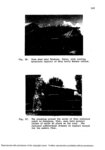
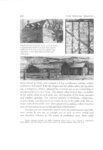
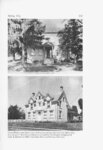
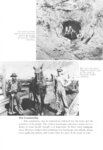
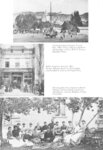
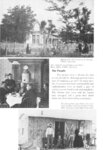
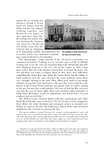
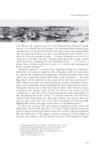
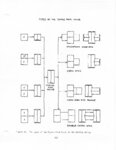
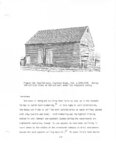
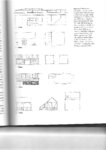
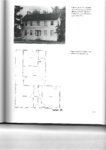
Show 210 Utah Historical Quarterly balloon frame construction, buildings were erected quickly side by side, replacing earlier log and tent structures. Ophir and Park City still reflect this unplanned development. Fire, the deadly enemy of these wooden frame structures, has obliterated portions of these communities and, in some instances, entire mining towns. The image of the once-bustling, haphazard boom town contrasts sharply with the Mormon town surrounded by agricultural lands, its gridiron form containing regularly spaced structures constructed of a more permanent material such as brick or stone. VERNACULAR ARCHITECTURE Many of the early Mormon settlers of Utah came from upstate New York and New England. Architecturally their communities in Kirtland, Ohio, and Nauvoo, Illinois, reflected this eastern heritage that also influenced various architectural forms in Utah. On the other hand, an unusual feature of Utah vernacular architecture is the lack of ethnic influence upon construction techniques and stylistic qualities, considering the large influx of Mormon converts from overseas. Practically speaking, the availability of building materials, the amounts of labor and skill needed for construction, and the relative isolation of Utah in its first twenty years of settlement exerted a great influence upon vernacular architecture. The major types of building materials included adobe, logs, stone, and, after the establishment of kilns and sawmills, brick and lumber. Adobe was the most available and widely used material in Mormon settlements. In an effort to establish settlements quickly throughout the territory, the pioneers usually erected a temporary shelter, either a dugout or cabin, with the intention of later constructing a more suitable permanent dwelling. The dugout, log or adobe cabin, and various house forms became models that were repeated throughout a community and often in neighboring communities. One advantage of the cabin forms, and more especially the house forms, was that they were easily enlarged, a quality often difficult to achieve in the later "high style" designs. The Dugout. These temporary shelters were all somewhat similar, nearly square in shape and, in some instances, two rooms deep, sunk three or four feet below grade. Where possible the dugout was built into a hillside with the rear of the structure cut into the slope of the hill. The entrance was through the gable end. The roof, often of a shallow pitch, was of wood covered with branches and a layer of dirt. The side walls varied |