| OCR Text |
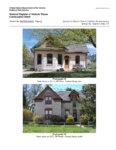
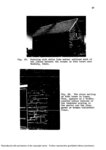
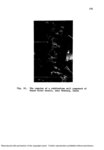
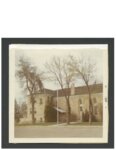
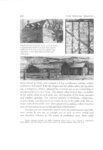
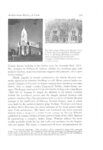
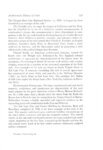
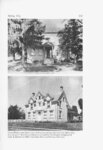
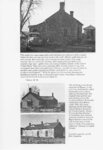
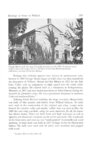
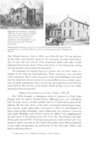
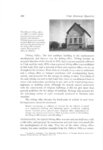
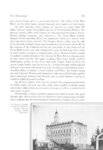
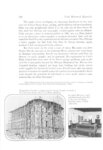
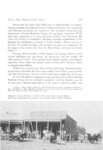
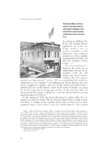
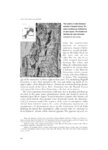
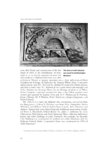
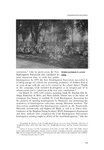
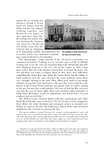
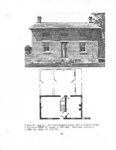
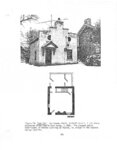
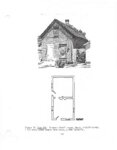
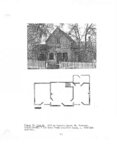
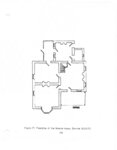
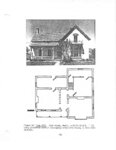
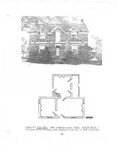
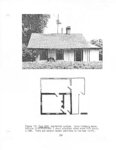
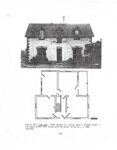
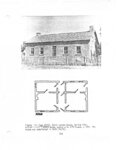
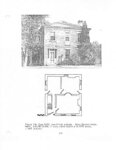
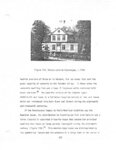
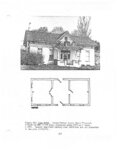
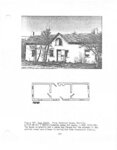
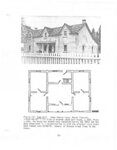
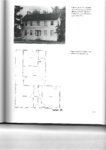
Show 274 Utah Historical Quarterly home reflects his community stature, standing two stories high with an entrance surrounded by transom and sidelights. The exterior clapboard wall surface was made from redwood shipped by train to Nephi and then by wagon to Spring City. This residence was patterned after those in Kentucky, the home state of Allred's first wife, Elizabeth Parks. Elizabeth and a second wife, Maryann Pollard, lived in this home, while a third wife, Elizabeth A. Brought, lived one block to the east.33 A number of homes built at a later date show an increasing prosperity, access to a wider range of building materials, a n d / o r the influence of Victorian styles. Jens "King" Pederson began his one-and-one-halfstory pressed-brick home in the early 1900s. This dwelling contains a decorative leaded-glass window. However, the picket fence and original porches are missing. Pederson raised sheep and became quite a prosperous man. Accounts vary as to the origin cf his nickname, "King." One source contends that because of his wealth Pederson was known as the "King" of Little Denmark. 34 The Baxter house, little changed since its completion in 1903, stands today minus some porch railings, but still intact are the water storage tank located on the second floor and many of the original plumbing fixtures. This brick home was the second in town to boast indoor plumbing. Jens P. Carlson was hired to lay the rock foundation and the brick masonry and do the plastering. John R. Baxter, Sr., briefly discussed earlier, worked for some time at the old co-op store and then established his own general merchandise store in the largest of three rooms in his old adobe home located just behind the existing store building. Baxter later joined with Robert Blain in opening the store that now stands vacant, minus the hitching post and granary but little else. Town residents fondly remember that Baxter never sold the last of a particular item on his shelves, for then he would be out.35 The most elegant home in Spring City belonged to Judge Jacob Johnson. Exhibiting characteristic Mormon-style traits, the older section of the house was constructed between 1870 and 1872 of cut stone and lined with adobe, a common and efficient insulating material. In 1892 a large addition was made to the north, and the entire structure was stuccoed and scored to look like stone. The newer section contains two 31 Lever, History of Sanpete, 479; interview with Winona J. Allred, March 12, 1974. Interviews with H.S. Schofield, April 13, 1974; R.R. Schofield, March 7, 1974; and R. Hope, March 11, 1974; interview with Celeste C. Harrison, April 4, 1974. 35 Dye interview; Baxter interview, March 1, 1974; H.S. Schofield interview, March 13, 1974. 31 |