| OCR Text |
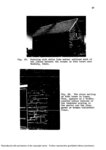
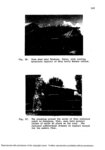
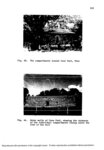
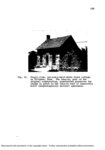
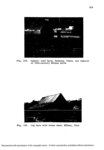
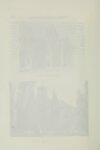
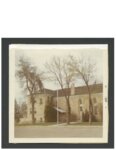
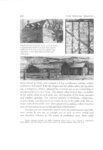
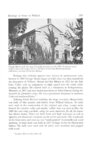
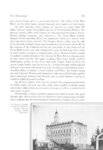
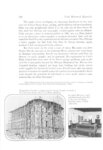
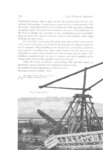
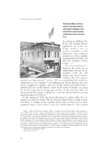
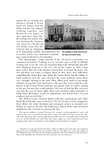
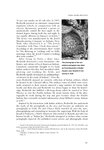
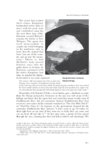
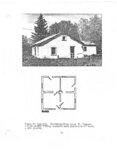
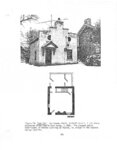
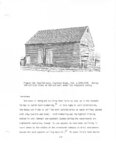
Show 132 Utah Historical Quarterly tanee in Mormonism as well as in Masonry. T o early Mormon settlers the beehive symbolized industry, as in the work of the bee. T h e compass and square are significant not only as marks in the Mormon temple garment but as symbols in the Mormon temple ceremony, representing truth, moral accuracy, a n d "unbending" obeisance to the Lord and his gospel. Sometime within the last few years, someone effaced the compass and the square from the structure. Interestingly, the beehive was left untouched. This "symbolic" act raises some important and at the same time difficult questions. Why was the symbolic beehive allowed to remain untouched, and why did the symbolism inherent in the square and the compass cause embarrassment, even anger and indignation, in the minds of zealous moderns, when these very symbols had obviously proven a source of civic pride to these people's progenitors in the last century? It seems important to add again that these marks were set in a building evidently intended as a schoolhouse, not a religious edifice.7' Likely, the answers to these questions are twofold: first, the square and compass were destroyed because of their importance in the Mormon temple ceremony, while the beehive, which has little symbolic significance in the ceremony itself, was allowed to remain; second, because of a cultural lag from the nineteenth to the twentieth centuries, these vernacular symbols, openly displayed, have proven a profanation to some twentieth-century Mormons. As Mark Leone has written, Artifacts from the past symbolize attitudes a n d behavior of the past, symbols motivate behavior. Therefore, the artifacts (symbols) of the past m a y conflict and even impede new a n d different behavior. 0 Whereas the square and compass may have outwardly symbolized accuracy and precision (thus their placement on a school building) during the last century, they have now come to represent highly esoteric, secret rituals that may only be seen and discussed within the confines of a Mormon temple. When viewed in this light, the destruction of these symbols is understandable. 7 " Allen Roberts, current coowner of the "schoolhouse," speculates that Orson Hyde may have used the building for religious purposes during his later years in Spring City. However, there seems to be strong evidence, as both Roberts and Rice note, that the building was constructed for and used as a school. See Roberts's article, " T h e 'Other' Endowment House," Sunstone 3 (July-August 1978) : 9-10. O n p. 10 Roberts notes that the square and compass could "just as easily represent principles of exactness and accuracy in education as they might represent aspects of temple ceremonies." His point is well taken, but he underplays the importance of cultural symbols: their function is specific and limited. Symbols only represent what their culture dictates. " M a r k Leone, "Why the Coalville Tabernacle H a d to Be Razed," Dialogue 8 (Snrine 1973):31. V P S 7 When I read a version of this paper in the fall of 1977 at Snow College, a member of the audience, who is a temple worker at the Manti Temple, volunteered the information that |