| OCR Text |
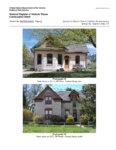
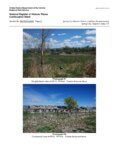
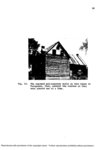
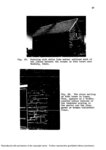
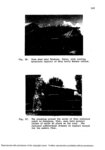
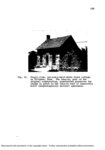
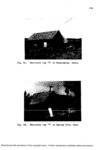
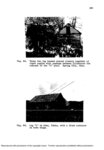
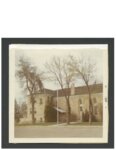
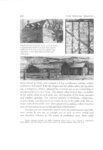
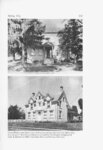
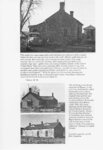
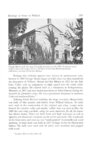
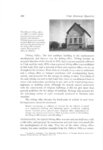
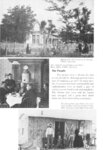
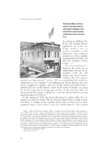
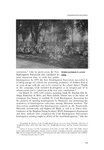
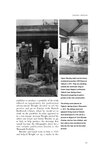
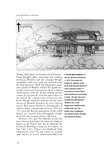
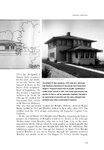
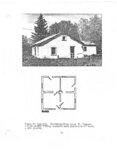
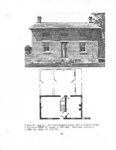
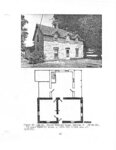
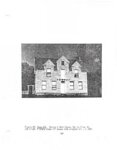
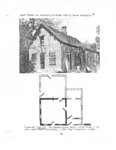
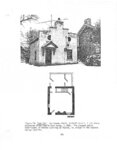
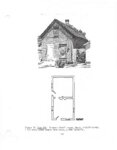
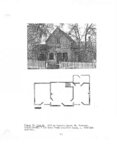
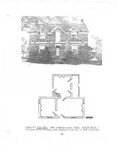
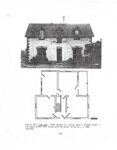
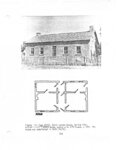
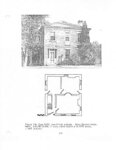
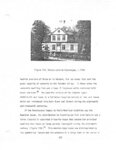
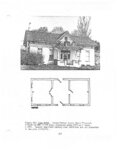
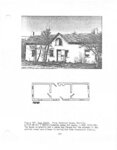
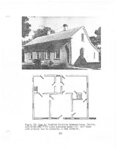
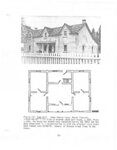
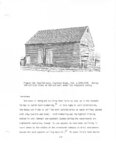
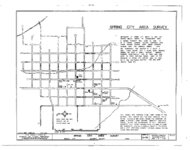
Show Spring City 277 was also produced at Ole Peterson's mill and remains a relatively common sight. T h e Mortensen dwelling was contructed by Danish-born Marinus Mortensen, a farmer, undertaker, and carpenter. 40 IV T h e significance of Spring City lies in the abundance of buildings that exhibit styles predating World W a r I. Furthermore, these buildings are not juxtaposed to twentieth-century neon signs, large commercial establishments, tract homes, and small lots. Instead, Spring City reflects life in a nineteenth-century Mormon village with some interesting variations, nuances that can be traced to the initial settlement of Spring City by clannish groups. Spring City was settled as a part of the planned colonization of the Great Basin by the Mormons. When this highly centralized leadership was extended to the local level, the city was planned much like all Mormon villages on a grid system oriented to the compass points. Streets were broad, lots covered a quarter block, water was transported to the fields in open ditches, and barns and other outbuildings were constructed on city lots. T h e architectural styles found in Spring City are not unlike those in other parts of the area and the state. Sanpete County as a whole remains a stronghold for the Mormon central hall house built throughout the state into the early 1900s. Toward the close of the nineteenth century, Victorian styles began to appear among the wealthier members of the community. T h e architectural development of Spring City, when compared overall with the fabric of Utah's architectural evolution, is not unique. W h a t is unique, however, is that so many of the original structures remain unchanged and that some Scandinavian building traditions are still evident in Spring City. Utahns have in Spring City an opportunity to preserve more than just a few historic structures that relate fragments of local history. All of the ingredients needed to provide a stirring insight into rural life in a nineteenth-century Mormon village are evident and intact. T h e lack of any large-scale commercial establishments, a concentration of relatively unaffected nineteenth-century building styles, the large number of rock homes, the pace of present-day life, the character of the people, the setting, and the open space all contribute to the singularity of the Spring City experience—one well worth preserving. 40 H.S. Schofield interview, March 7, 1974; interview with Elva M. Allred, April 10, 1974; and Lever, History of Sanpete, 501. |