| OCR Text |
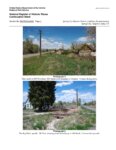
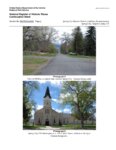
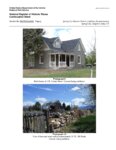
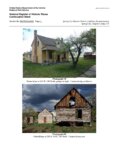
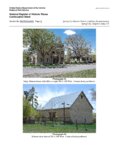
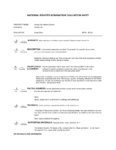
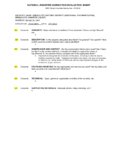
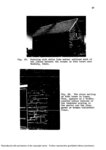
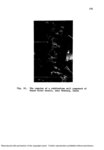
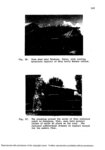
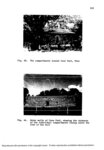
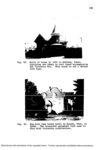
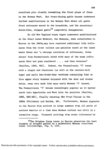
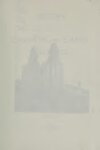
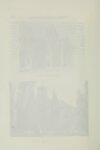
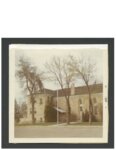
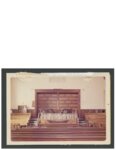
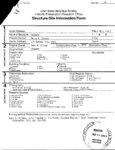
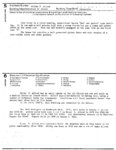
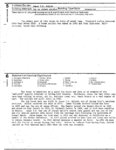
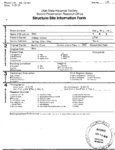
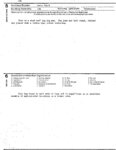
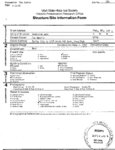
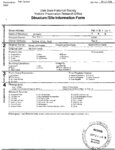
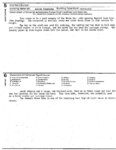
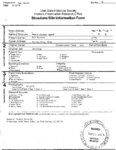
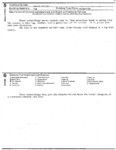
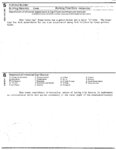
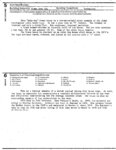
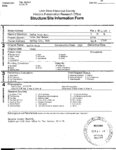
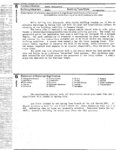
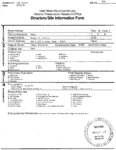
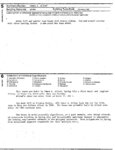
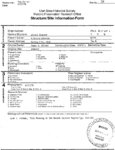
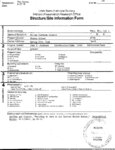
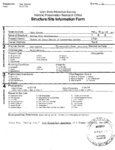
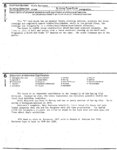
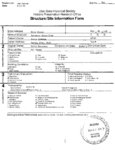
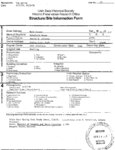
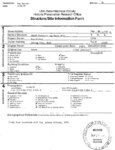
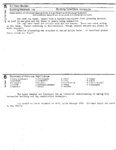
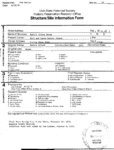
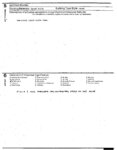
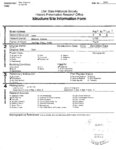
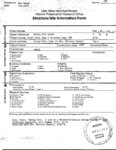
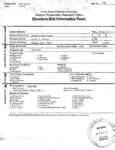
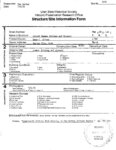
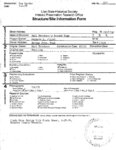
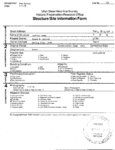
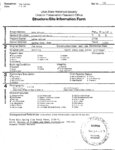
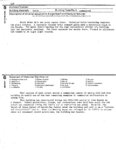
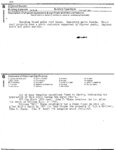
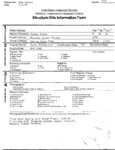
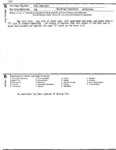
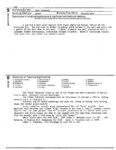
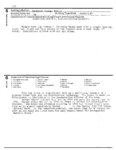
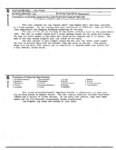
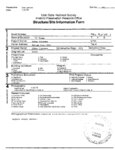
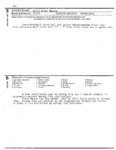
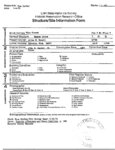
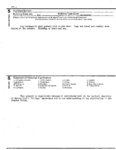
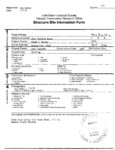
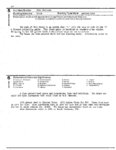
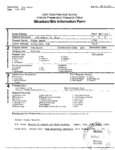
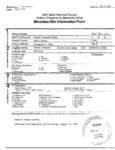
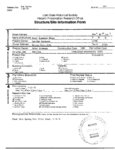
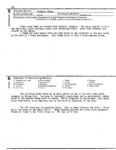
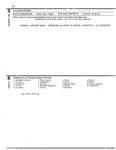
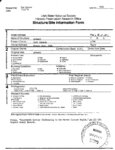
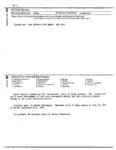
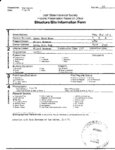
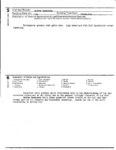
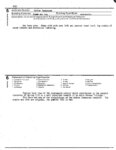
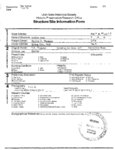
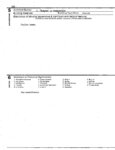
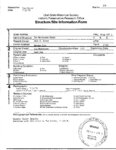
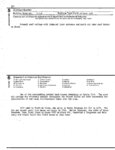
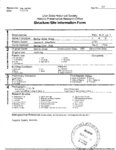
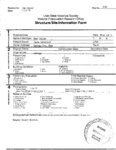
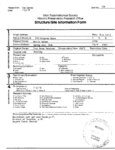
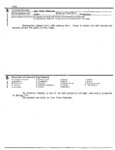
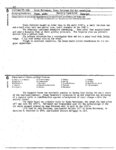
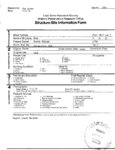
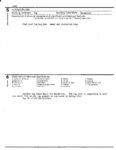
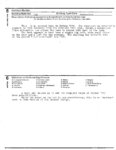
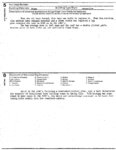
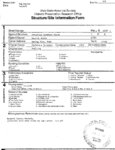
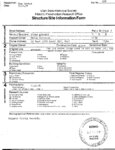
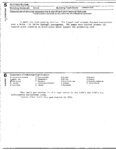
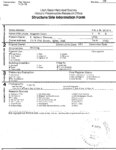
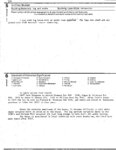
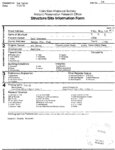
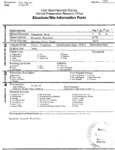
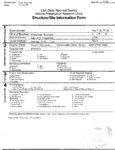
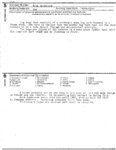
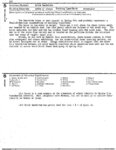
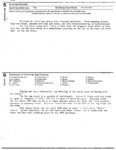
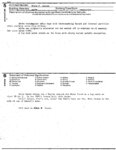
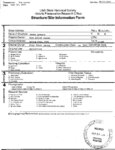
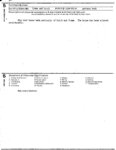
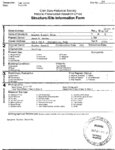
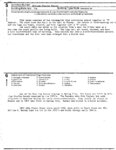
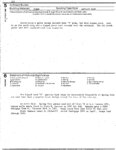
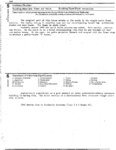
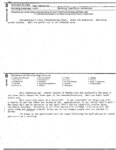
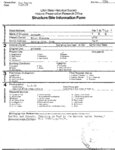
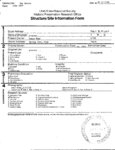
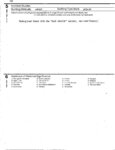
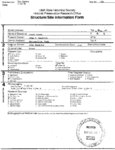
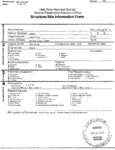
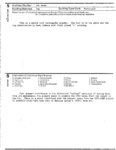
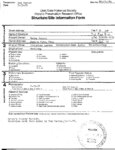
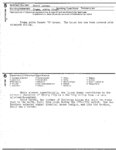
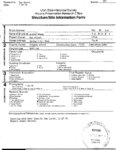
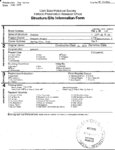
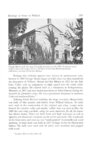
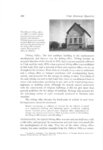
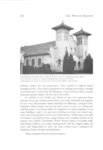
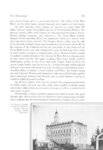
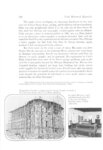
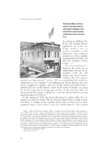
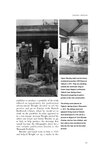
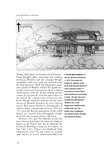
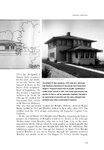
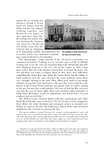
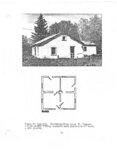
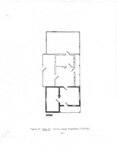
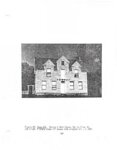
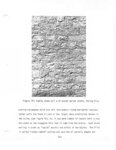
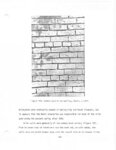
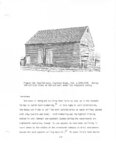
Show 5 [jj Architect/Builder: Rjchflr(i c . Watkin? Building Materials: Dolite Limestone Building Type/Style: Description of physical appearance & significant architectural features: (Include additions, alterations, ancillary structures, and landscaping if applicable) K X * o -'. OC < The Chapel is of limestone quarried locally. The main hall is 80' X 40' with the annex measuring 25' X 60* in size. Originally there were ten.rooms in the structure In 1976-78, a large limestone addition, cultural hall, was appended to the north. Statement of Historical Significance: O P D D P Aboriginal Americans Agriculture ' Architecture The Arts Commerce D D D D P Communication Conservation Education Exploration/Settlement Industry n D D D P Military Mining Minority Groups Political Recreation D D D D Religion Science Socio-Humanitarian Transportation The Spring City Meetinghouse, despite recent rennovations, remains one of the finest examples of Mormon religious architecture in the State. Plans for the Chapel were initiated by Bishop James A. Allred, presiding from 1882 to 1904. The building committee was: George W. Brough, John R. Baxter, Samuel Allred, Henry L, Accord, Simon T. Beck, Nephi Allred, John Hitchcock, Bill Scott, Ole Peterson, Rasmus Justesen, John Frandsen, Lauritz Larsen, John S. Blain, Sanford Allred, and Nels Benson. John F^. Blain was head mason. George Brand, George Byland (both of Mt. Pleasant; and Emil Erikson were chief carpenters. John P. Carlson, Jans L. Sorenson, and Lars Larsen were the stone masons. The building cost $40,000-$6000 being received: from the Church and the remainder donated by ward members. The seating was purchased from Dinwoody's Furniture Co. in SLC. Remodeling occured in 1938 and the cultural hall addition was built in 1976-78. |