| OCR Text |
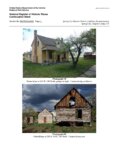
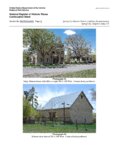
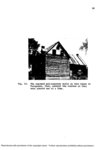
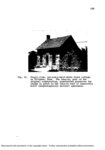
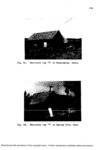
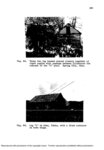
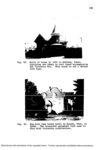
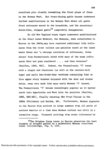
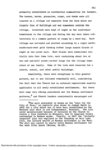
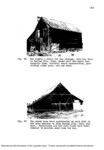
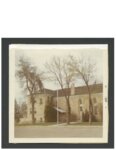
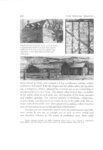
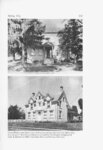
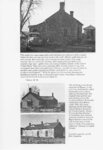
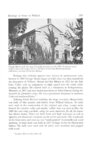
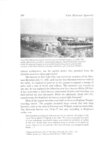
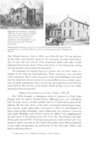
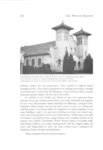
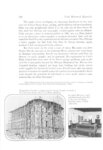
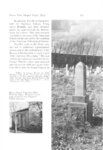
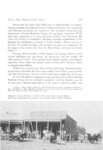
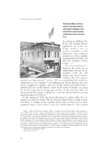
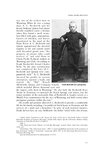
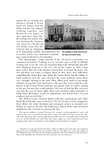
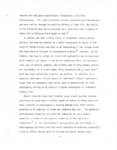
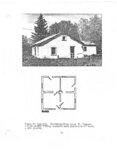
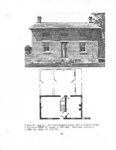
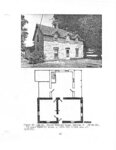
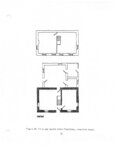
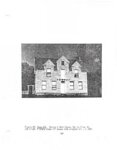
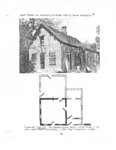
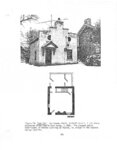
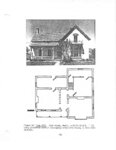
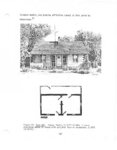
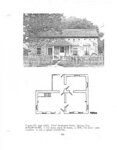
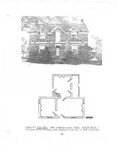
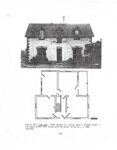
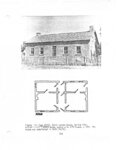
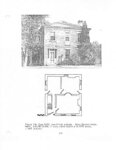
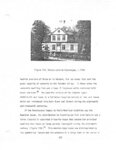
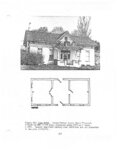
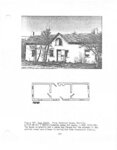
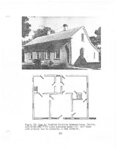
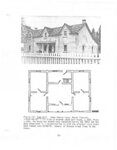
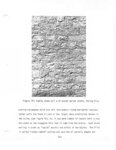
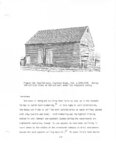
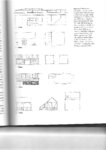
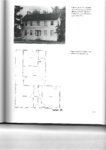
Show Spring City 263 were regarded by the other settlers. A number of Danes reacted by abandoning Mormonism, while those who remained within the church fold organized and built their own meetinghouse. This one-room adobe building served the Danish community until well into the twentieth century. A single service, conducted in Danish, was held in the Danish meetinghouse on Sunday under the leadership of a president. However, the Danes attended the regular ward chapel for sacrament meeting.7 The northern part of town came to be known as Little Denmark. Several features distinguished this area of the city from its southern counterpart. Many Danes built homes reminiscent of those in their native land: long and low in appearance with doors and windows asymmetrically arranged in the facade. These dwellings were a marked contrast to the one-and-one-half-story Mormon-style homes ubiquitous in the southern part of town. Barns also varied in construction. The nonScandinavian settlers generally laid logs horizontally, notching each end to form the four walls. Scandinavians usually built a frame and attached planks vertically.8 The first generation Danish immigrants also differed from the other settlers in that they almost all had a trade. Most Danes were not involved in livestock operations but had only a cow, a few chickens, pigs, and a garden. They were not sheepmen or farmers on much more than a subsistence level. Instead, the Danes wen; blacksmiths, bakers, wheelwrights, coopers, shoemakers, carpenters, masons, and tinkers. These craftsmen made a valuable contribution to nhe building of the communty. This is especially apparent in the rock work found primarily in the southern part of town. Three stonemasons, Jens J. Sorensen, John Peter Carlson, and John Bohlin, were the principal craftsmen. All three helped with the construction of the ward chapel as well as the Manti Temple. Many of the rock homes built in Spring City can also be attributed to their efforts.9 Spring City's population continued to grow, reaching a high of 1,235 persons in 1900. Local businesses thrived, and in the early 1900s Spring City supported three general merchandise stores, two meat markets, a millinery shop, a watch repair shop, a drugstore, several blacksmith shops, 7 Interviews with James T. Ellis, April 9, 1974; Floyd and LaVee Draper, April 23, 1974; Rudolph Hope, February 26, 1974; Rose R. Schofield, February 18, 1974; Bergetta L. Jensen, April 16, 1974. All interviews were conducted in Spring City. 8 Interview with Vero Aiken, February 20, 1974, and Hope interview. 9 Hope interview and interviews with Gordon Sorensen, April 26, 1974; John R. Baxter, Jr., April 3, 1974; Merton Christensen, February 28, 1974 |