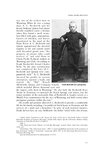
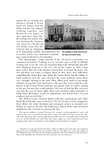
| OCR Text |
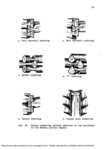
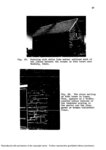
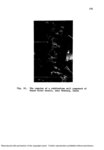
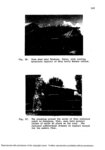
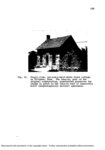
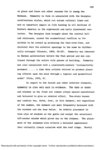
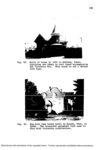
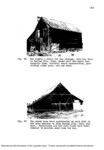
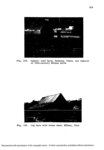
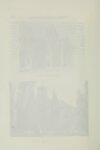
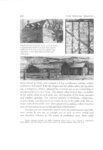
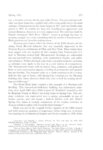
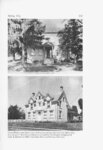
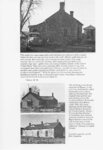
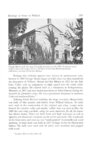
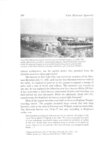
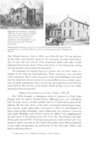
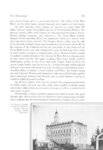
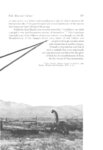
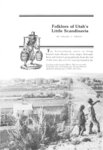
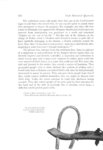
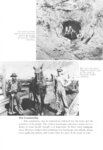
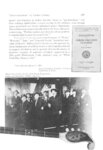
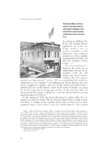
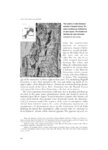
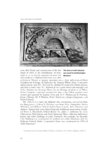
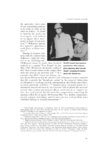
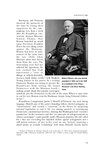
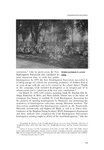
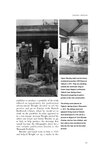
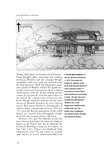
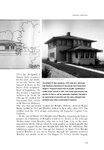
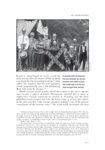
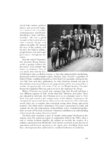
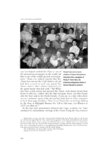
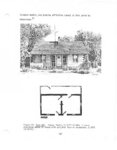
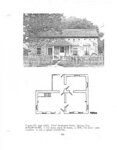
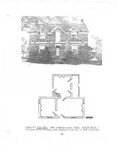
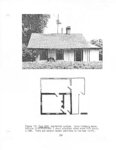
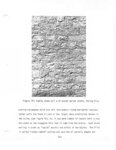
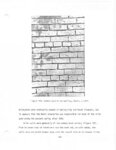
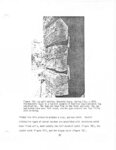
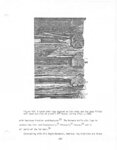
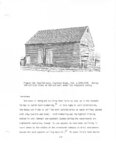
Show Folk Material Culture 139 complex, yet understudied, subgroup. Evidently, true corner notching or timbering (i.e., where the notches at the ends of the logs are selflocking) originated in the Mesolithic with the Maglemosian culture, centered in Denmark, southern Sweden, and northern Germany. 10 Although it is then correct to assert that horizontal log construction sprang up in Scandinavia, it would be a mistake to claim that the log buildings of Sanpete-Sevier were built by Scandinavians who brought the art from the mother country. T h e Irish, Scottish, and English practiced no traditional log architecture in their native lands; nevertheless, they were quick to adopt the Germano-Scandinavian introduction in the early days of United States settlement, 17 and the art spread rapidly and was developed highly by these people. Besides floor plan, height, and placement and size of rooms, log buildings are also identified and classified on the basis of corner notching used and whether or not the logs are shaped and hewn. O n e Spring City cabin (fig. 11) displays some rather primitive features. Although the logs a,i See C A. Weslager, The Log Cabin in America (New Brunswick, N . J . : Rutgers University Press, 1969), p. 8 5 ; and Fred Kniffen and Henry Glassie, "Building in Wood in the Eastern United States: A Time-Place Perspective," Geographical Reviezv 56 (January 1966) :58. 11 Kniffen and Glassie, "Building in Wood," p. 65. Fig. 10. Manti marker notes Indian casualty. . 8. Stone rks grave of nish translator. Fig. 9. Victim of Indian wars, Spring City. W0>1& *VB O 6 1KB t k ' in c 1 z*. |