| OCR Text |
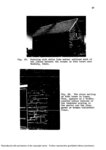
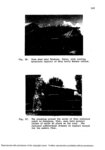
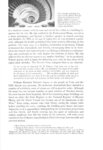
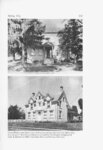
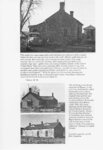
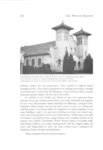
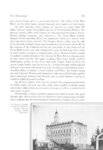
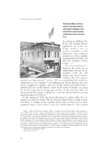
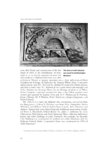
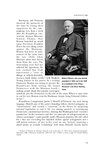
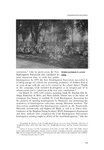
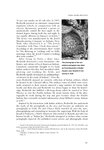
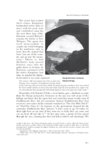
Show WINTER 2013 UHQ pp 4-90_UHQ Stories/pp.4-68 12/5/12 9:38 AM Page 61 uTAH STATE HISTORICAL SOCIETy SANPETE OOLITE LIMESTONE oolite limestone. It displays round towers at The Adolph B. Spreckels the corners with conical roofs, a steeply mansion, completed in 1913, was pitched hipped roof, complex exceedingly constructed of Sanpete oolite broken roofline, tall chimneys, and gabled limestone in the Pacific Heights decorative wall dormers area of San Francisco. Architect Frederick A. Hale designed the nearby David Keith mansion, begun in 1898 and completed in 1902.28 The mansion incorporates four massive Tuscan stone columns that support a Greek-style, pedimented portico and symmetrical facade in a Neoclassical style. The Keith mansion is built upon a sandstone foundation to avoid the deleterious effects of moisture on the oolite limestone structure. In sharp contrast to the Kearns mansion only a short distance to the east, the roofline is simple with neither towers nor tall chimneys. Rectangular window openings appear on a smooth facade. The Pacific Heights area of San Francisco, California, has a breathtaking view of San Francisco Bay and the Golden Gate. Adolph B. Spreckels, son of sugar tycoon Adolph Claus J. Spreckels, and his wife, Alma de Bretteville Spreckels, built the Spreckels mansion to be San Francisco's largest mansion. The architects were Kenneth MacDonald Jr. and George A. Applegarth. Applegarth was trained at Ecole des Beaux-Arts in Paris, France, and the Spreckels mansion was his most prominent contribution to San Francisco's architectural heritage. Several homes were torn down or moved down the street to make room for the large mansion. The massive Beaux-Arts French baroque-style chateau was completed in 1913 and 28 Margaret D. Lester, Brigham Street (Salt Lake City: Utah State Historical Society, 1979), 89-98. 61 |