| OCR Text |
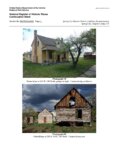
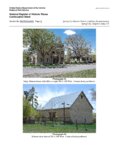
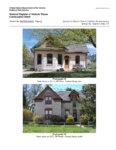
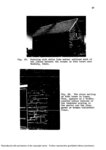
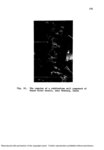
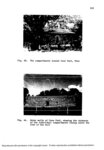
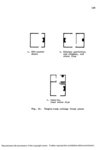
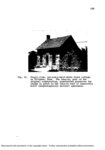
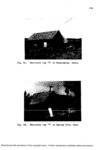
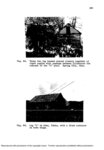
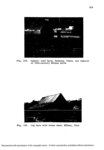
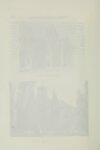
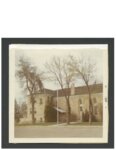
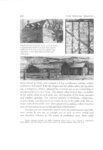
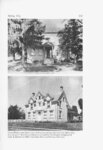
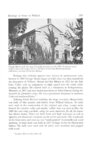
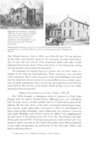
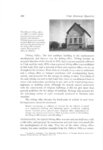
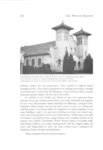
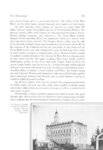
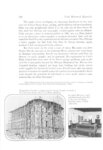
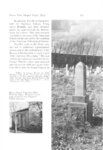
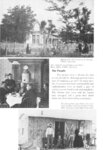
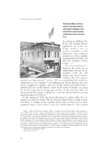
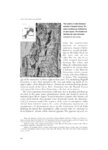
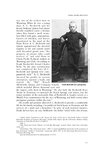
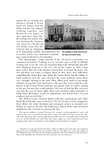
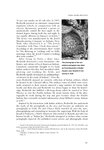
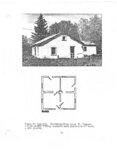
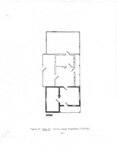
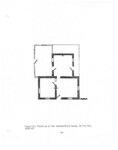
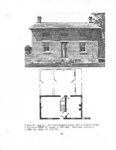
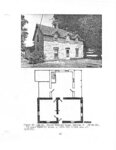
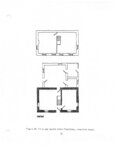
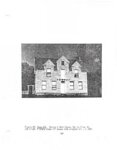
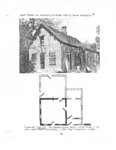
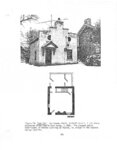
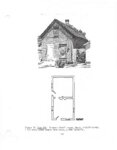
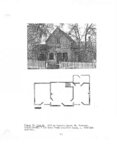
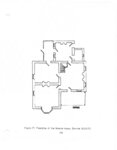
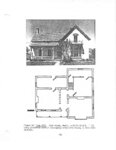
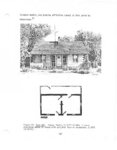
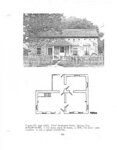
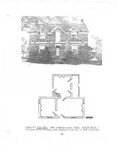
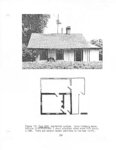
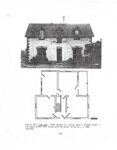
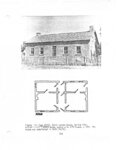
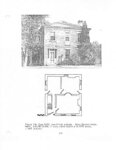
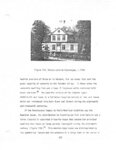
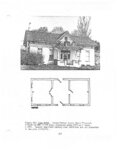
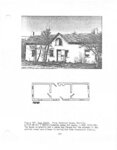
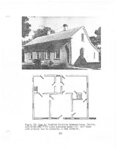
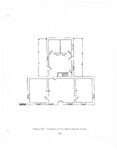
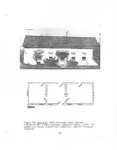
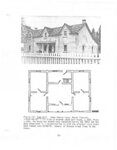
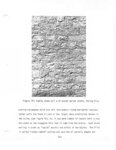
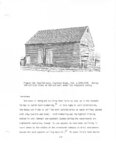
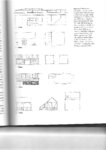
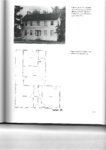
Show 292 Utah Historical Quarterly At about the same time as his work on the Call home, Shadrach Jones built a large Gothic home to resemble an English country house for John Miller whose second wife had made this special request. Years later, in 1893, Joseph Toombs bought the home; and although he and his wife raised nine children there, it was not completely finished until 1958 when it was purchased and renovated by the Arthur Bartetzkis. Toombs had crossed the plains with a handcart company and had enlisted as a scout for Gen. George Custer's army when he was seventeen. He freighted to Idaho, particularly to the Salmon River area where he and his six head of horses were a familiar sight. Another early home of rubble stone was built for Joseph Nicholas. It stands unique as the only home showing holes used to support the scaffolding during construction. Although this structural detail is common throughout the British Isles, the Nicholas home is the only apparent example in Willard. Offset front entrances, on either side of a central wing, are also a variation on the architectural theme in Willard. Just ten years after settlement Shadrach and his helpers built a large T-shaped, rubble stone house for Richard Jenkins Davis who had come from South Wales to Willard in 1854 and who had helped to build the first road up Willow Creek Canyon. The Davis home is symmetrical, with two dormer windows and a door on the second floor over two windows and a door below on the west side. Originally there were no interior hallways. The second floor was never completed and there are no access stairs either inside or out, despite the story that three of four Davis wives and their children lived in the home. A stone plaque over the front entrance is etched with the inscription "R.J.D. 1861." The original granary still stands to the east of the home. The home remained in the Davis family until 1923 when it was purchased by the Willard Flood Committee and turned over to a family that had lost its home in the disastrous flood of August 1923. The architecture in Willard did not impress a reporter for the Deseret News in early 1863. Signing himself "Voyageur," he wrote: I can only say in confirmation of a statement made by Honorable George A. Smith last fall} that the town was so much obscured by straw stacks that points of its elegance were not at once discoverable, but for the partial view afforded, the conclusion was irresistable, that the good people of Willard thought more of their "beef and plum pudding" than of the style of houses they live in.11 II Deseret News, February 25, 1863. |