| OCR Text |
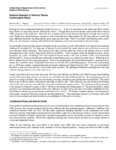
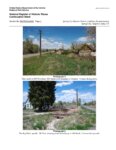
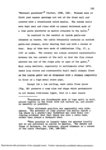
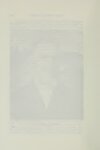
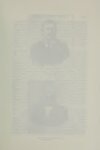
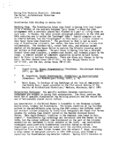
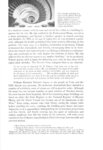
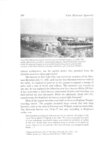
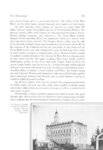
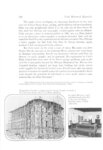
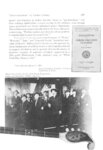
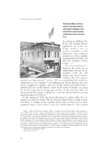
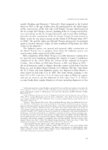
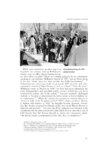
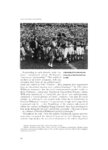
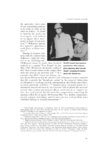
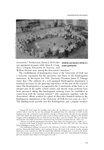
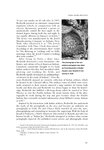
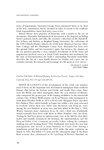
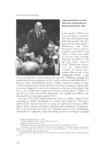
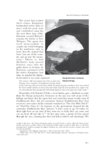
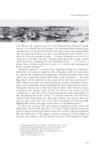
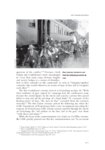
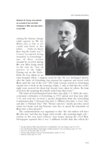
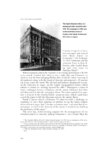
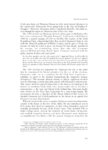
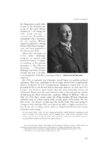
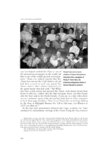
Show FALL 2013 UHQ pp 304-385_UHQ Stories/pp.4-68 9/16/13 1:25 PM Page 340 UTAh hISTOrICAL QUArTErLy This image captures the hectic atmosphere of the U.S. Senate investigation of the LIBrAry OF CONGrESS disaster. but never asked him to testify.49 Russell’s view of the Senate investigation makes clear his biases on the question: The simple honest Marconi was unmercifully pilloried by a U.S. Senatorial committee for this night’s work. A Senatorial committee worked out a theory that the wireless boy had “willfully” refused to answer messages such as a message from President Taft asking how Major Archibald Butt was, and he “willfully” refrained from sending details of the story so that with Marconi’s aid he could “sell” the story on this eventful night for Gold! It was a curious theory to work out of that mania to send-send-send which kept the wireless boy with his hand on the sending key and never let him take thought of the receiving apparatus. But it was worked out and I have never seen such a crucifiction [sic] as the Senate committee made of Marconi in their ferocious attempt to make their case. I could not be called. The Nabobs of the Times were called—and all they knew was that they had offered money for a “beat” and had “got it”!50 For his part, Russell wrote that the newspapers and the Senate committee both had “accused the lad of holding back to sell his story. Many newspapers had wirelessed him fat offers for his story. He knew nothing more about them when he told it to Marconi than he did about the President’s calls that, along with all the others he had not heard—because he was sending, sending, sending.”51 Russell and Marconi worked so hard to find Harold Bride for different reasons. Marconi wanted to know why his operators on the Carpathia had not responded to Taft’s inquiries regarding Butt. Russell pursued the story because he understood that the extraordinary fortune he was experiencing, being thrown into the situation with Guglielmo Marconi, offered him a unique opportunity to write an exceptional article. From Russell’s perspective, Times officials were happy to believe that the paper had landed an exclusive on Bride’s story by paying for it. As he described it, “they were rather proud, I think, of the hypothesis put forward by the Government!”52 49 Janet, “Salt Lakers in Gotham,” Deseret News, May 18, 1912. In her Deseret News column, Easton reported that “Isaac Russell of the New York Times was in Washington during the investigation of the Titanic disaster, where his presence was desired by the investigation committee. 50 Russell, unpublished manuscript on his visit with Harold Bride, 10, Russell Papers. 51 Russell, “Met Survivors of Titanic,” July 6, 1917. 52 Russell, unpublished manuscript on his visit with Harold Bride, 10, Russell Papers. 340 |