| OCR Text |
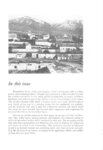
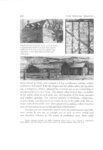
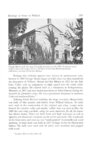
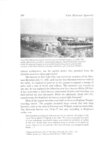
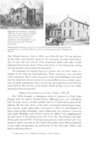
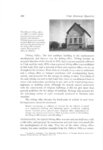
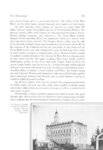
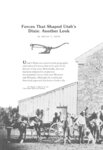
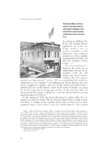
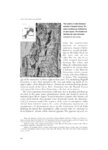
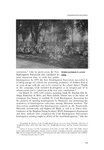
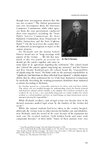
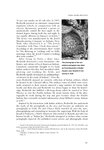
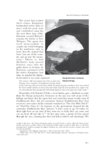
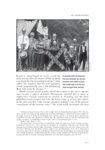
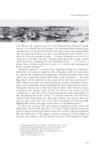
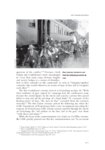
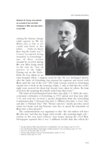
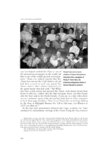
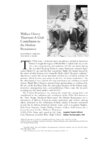
Show SAN JUAN COUNTy hISTOrICAL COMMISSION FALL 2013 UHQ pp 304-385_UHQ Stories/pp.4-68 9/16/13 1:25 PM Page 368 Murder and Mapping in “The Land of Death,” Part II: The Military Cantonment in Monticello By rOBErT S. MCPhErSON, KEVIN CONTI, AND GAry WEICKS I n April 1884, Navajos killed two prospectors—Samuel T. Walcott and James McNally—in the vicinity of Navajo Mountain.1 These deaths were part of a str ing of other violent events in the region. Circumstances contributed plenty of reason for trouble: the increasingly settled nature of southeastern Utah, including three large cattle companies and Mor mon (Bluff) and non-Mor mon (Aneth and Montezuma Creek) farms on the San Juan River; the expanding livestock industry of the Navajo; and the shrinking land base for the Utes. A local constabulary force composed primarily of volunteers in Bluff hardly proved adequate to confront large groups of armed men bent on theft, harassment, and murder. That job fell most often to a military force at times stymied by local Blue Mountain attracted Native conditions. The deaths of Walcott and Americans, miners, cattle McNally, along with a host of other incidents, companies, and settlers who encouraged the military to look for a long- sought resources in the high country desert. At the mountain’s term solution to the violence. Fort Lewis near Durango, Colorado, had southern base, the military for four years provided mobile infantry and considered establishing a fort. Robert S. McPherson is professor of history at Utah State University, Blanding Campus, and is on the Utah Board of State History. Kevin Conti recently graduated from Utah State University with an associate degree and certificate in Native American Studies; he is currently enrolled in the archaeology program of New Mexico State University. Kevin wishes to thank Dr. Charles Peterson for providing a scholarship that assisted in the preparation of this article. Gary Weicks is an independent regional historian specializing in Native American and military history. He has worked extensively with government agencies on historical and archaeological research and has authored a variety of books and articles. 1 See the first article in this two-part series: Robert S. McPherson, “Murder and Mapping in ‘The Land of Death,’ Part I: The Walcott–McNally Incident,” Utah Historical Quarterly 81, no. 3 (Summer 2013): 249–66. 368 |