| OCR Text |
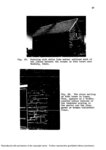
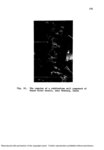
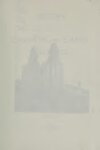
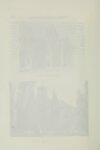
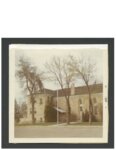
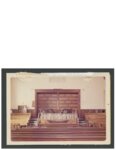
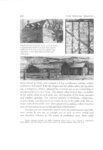
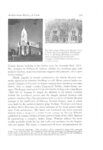
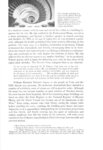
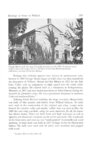
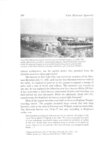
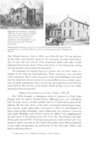
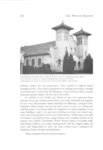
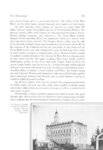
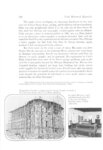
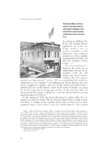
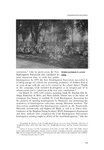
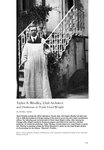
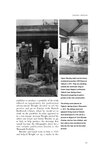
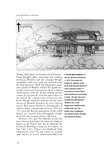
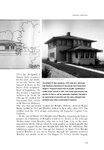
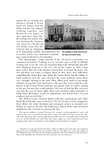
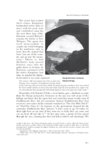
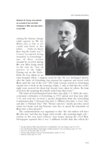
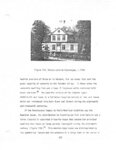
Show 324 Utah Historical Quarterly FIRST MODERN OR WRIGHT-INFLUENCED PERIOD, 1910-21 In 1909 America's renowned architect, Frank Lloyd Wright, designed his famous Unity Temple in Oak Park, Illinois. This and similar buildings in Wright's Prairie style influenced architects throughout the world. Some LDS architects and members deny or seek to minimize Wright's influence on church design, but a comparison of Salt Lake's Liberty First Ward (now Park First) meetinghouse, the Parowan Third Ward chapel, Ensign chapel, or even the Alberta Temple to Wright's Unity Temple and other Prairie-style buildings will show a direct relationship. In some cases column detailing was directly cribbed. Marking one of the few times Mormon architects have taken the lead in introducing new and innovative forms, young architects Harold W. Burton and Hyrum C. Pope designed the Park First Ward (formerly Liberty First Ward) meetinghouse in 1910. When it was completed in 1913, the church, and state as well, had its first truly modern piece of architecture. So successful was the Park First Ward that it became the prototype for many other religious and secular buildings erected throughout the state.25 The Prairie-style influence was strongly felt by LDS architects, some of whom had direct experience with Weight's designs in Illinois. Taylor Woolley, for example, spent over two years working in Wright's design office. By the year 1910, several changes within the church and changes in general building conditions throughout the state resulted in the end of vernacular architecture and the disappearance of many special types of buildings. The abolition of tithing in kind in 1908 ended the tithing office. By 1920 Relief Society halls were rarely built, as they were now included as parts of the meetinghouses. Detached ward recreation halls continued to be built, even into the 1920s, but most were included in new meetinghouses. The recreation hall was often built first and used as a temporary chapel until the premanent chapel was completed. Some wards, like Wandamere in Salt Lake City, never completed their chapel. Rather, they altered their recreation hall for use as a chapel. The fact that halls built for entertainment purposes could be converted into chapels with only interior modifications foreshadowed the development of a rather permissive or liberal attitude toward the essential nature of religious architecture. 25 The Deseret News of December 4, 1973, published an article by Paul L. Anderson on the Park First Ward. |