| OCR Text |
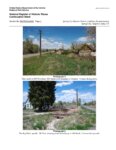
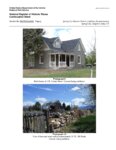
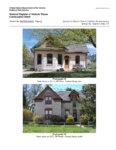
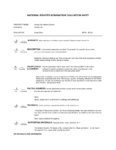
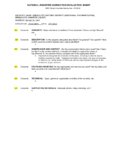
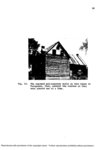
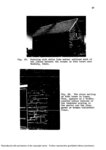
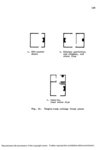
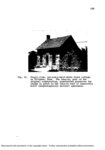
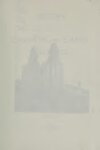
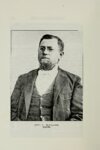
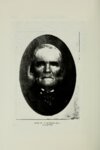
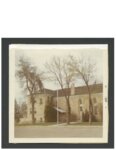
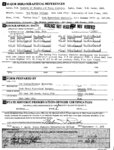
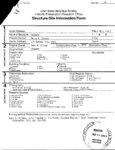
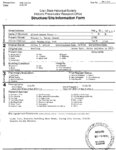
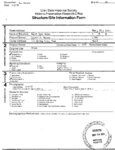
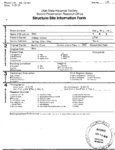
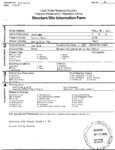
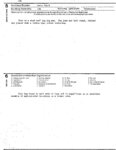
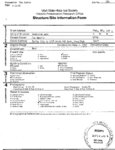
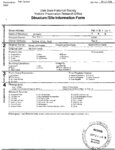
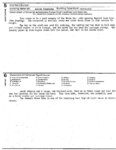
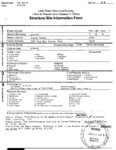
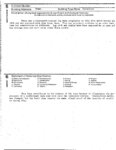
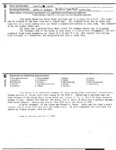
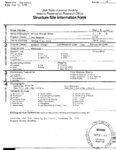
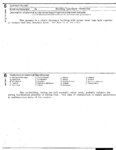
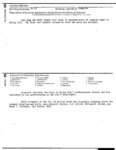
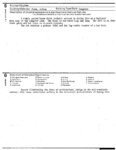
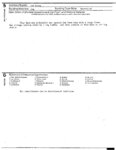
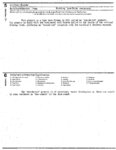
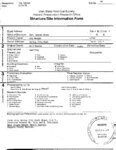
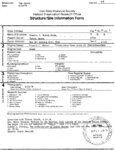
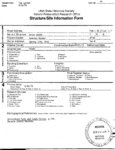
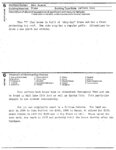
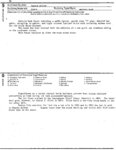
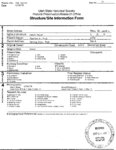
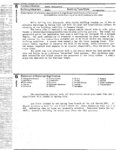
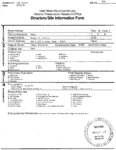
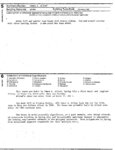
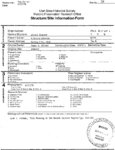
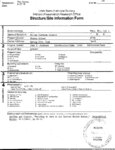
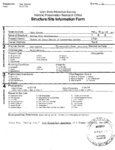
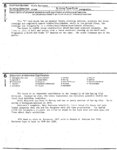
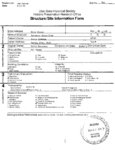
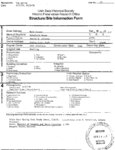
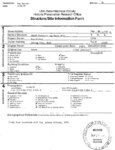
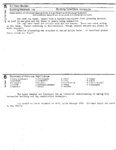
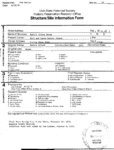
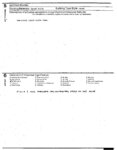
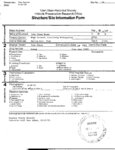
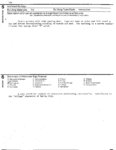
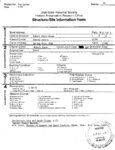
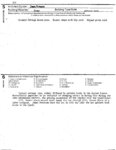
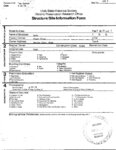
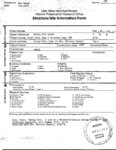
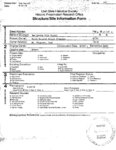
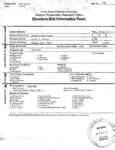
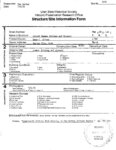
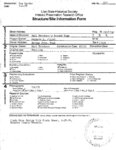
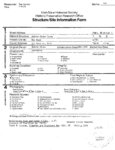
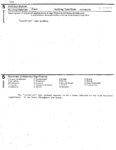
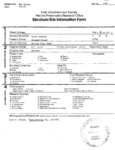
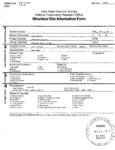
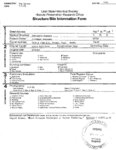
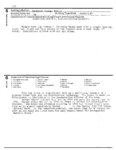
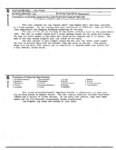
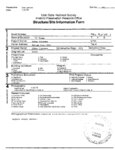
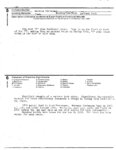
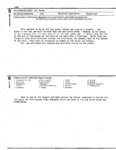
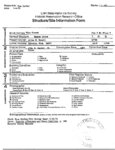
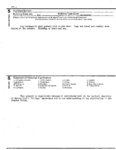
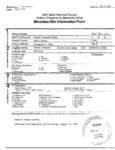
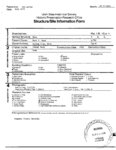
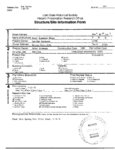
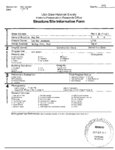
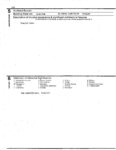
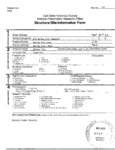
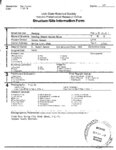
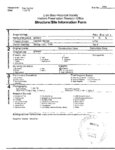
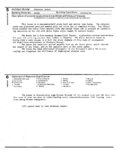
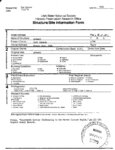
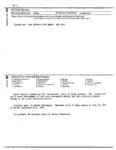
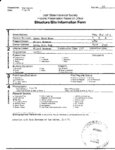
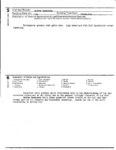
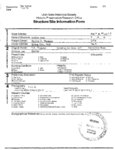
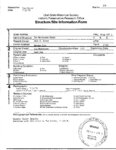
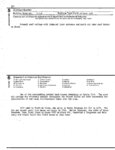
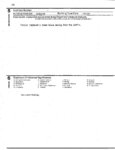
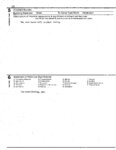
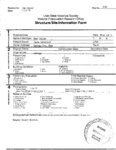
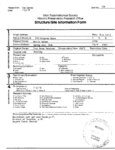
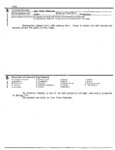
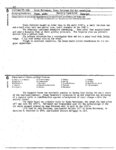
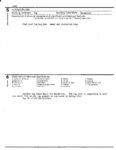
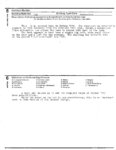
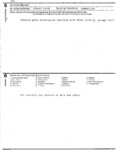
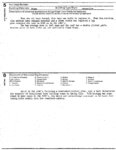
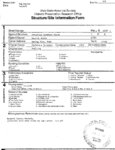
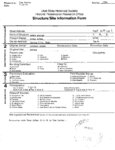
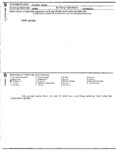
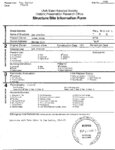
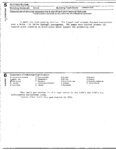
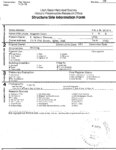
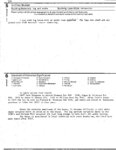
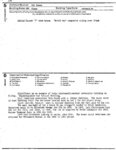
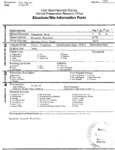
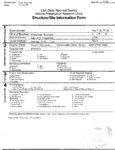
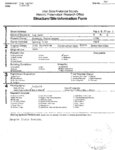
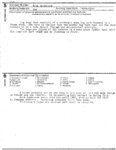
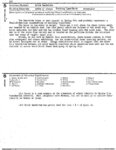
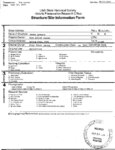
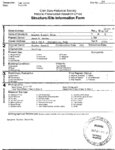
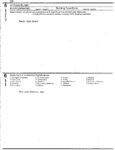
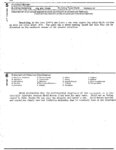
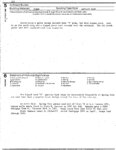
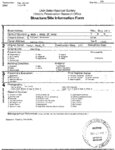
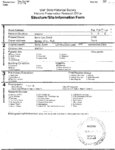
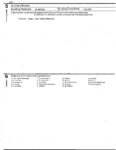
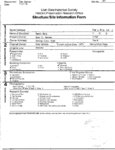
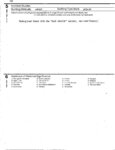
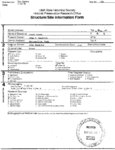
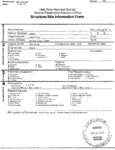
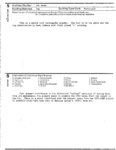
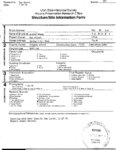
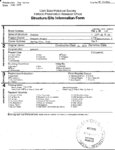
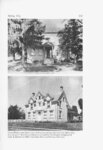
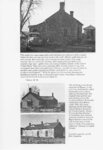
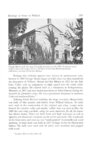
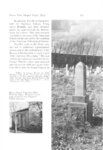
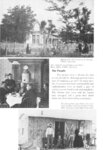
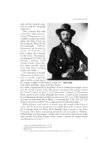
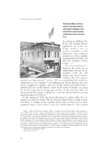
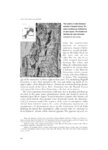
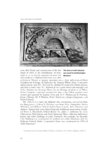
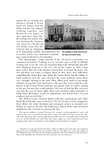
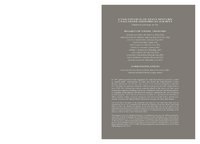
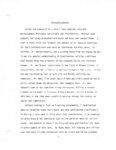
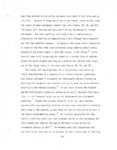
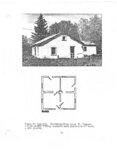
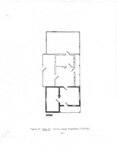
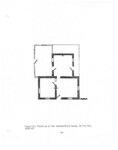
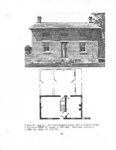
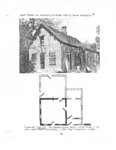
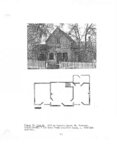
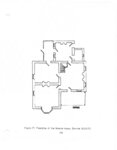
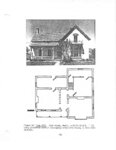
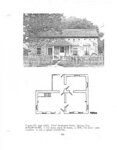
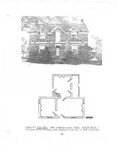
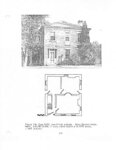
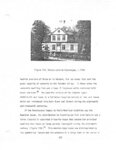
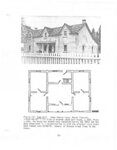
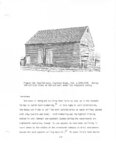
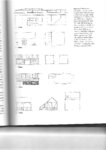
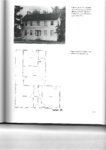
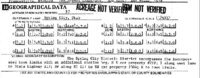
Show u,CC jB {jj t o < Architect/Builder: Ja^es. A, Mired Building Materials: frame Building Type/Style: vernacular__________ v-i-u.— —————————,———————————— ——————————————————————————*s*——***———————————————————————————————————————————— Description of physical appearance & significant architectural features: (Include additions, alterations, ancillary structures, and landscaping it applicable) * Central hall "I" house type with rear "T." Five openings facade symmetrically arranged. The central-hall makes this an unusual house in Spring City, where the presence of a central passageway behind the front door is seldom encountered. The house retains the original picket fence. The siding on the house is redwood which was freighted in from California. • Statement of Historical Significance: D D Br D D Aboriginal Americans Agriculture Architecture The Arts Commerce D D D D D Communication Conservation Education Exploration/Settlement Industry D D D D D Military Mining Minority Groups Political Recreation D D D D Religion Science Socio-Humanitarian Transportation The James Allred house is significant because Allred was one of Spring City's most prominent citizens and the house is a particularly impressive example of early'verna cular buinding in the area. It is said that this house was built and patterned after those in Kentucky where James A, Allred's first wife came from. Certainly the central-hall "I" house is com monly located throughout the southern states. ALlred was Spring City's first mayor and served as Bishop from 1882 until his death in 1904. Two of Allred's three wives lived in this house, Elizabeth Pakks and Mary Ann Pollard and six children were raised here. Allred was originally from Tennessee and then Iowa. He came to Spring City looking for a son who was an alcoholic. Allred received deeds in 1870 for block 17 lots 2 and 3. Allreds own lot until 1909 when purchased by Willia, Osborne. The family continues to own it today. |